Burundi's policy of free healthcare for children under five and pregnant women, established in 2006, is facing significant challenges due to persistent medicine shortages. This critical initiative, designed to safeguard the health of vulnerable populations, is now struggling to deliver its intended benefits. Many healthcare facilities across the country are currently only providing consultations and certain laboratory tests, effectively requiring patients to purchase essential medicines from external sources, thereby undermining the "free" aspect of the policy. The Ministry of Public Health has acknowledged the severity of the issue, stating that it has placed orders for vital medicines. Containers of these medicines are currently in transit to Burundi, according to the Ministry of Public Health, which expects them to supply healthcare facilities and alleviate the current stockouts.
Beneficiaries Face New Costs
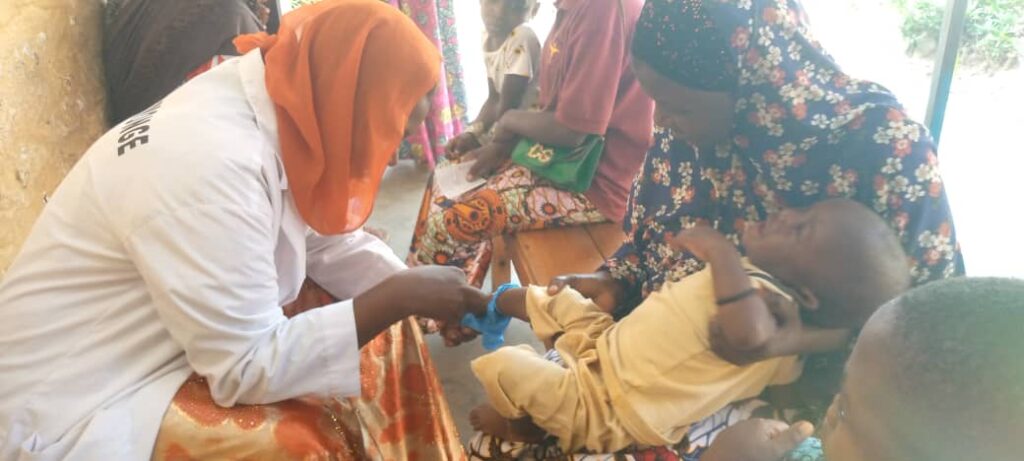
The impact of these shortages is directly felt by the policy's intended beneficiaries, who are now incurring unexpected costs. Emmanuella Nibigira, a mother of a one-year-old child, recounted her experience at Rumonge Hospital. She received free consultation and laboratory tests for her child, as per the policy. However, she was subsequently given a prescription for medication that she had to purchase from outside the hospital, noting the financial burden now placed on families. Similarly, Donatienne Bukuru reported that her 10-month-old child was referred from Ngagara health center to Kamenge military hospital. At Kamenge, Ms. Bukuru stated she was asked for a referral paper and informed that free medical care was exclusively for residents of the Gihosha zone. This situation compelled her to pay for her child's hospitalization and acquire all necessary medications from external sources, further illustrating the inconsistencies and financial strain faced by patients. These instances highlight the financial burden now faced by beneficiaries of the policy, who often cannot afford the prescribed medications.
Hospital Stockouts and Referral Issues
Mosse Bamtama, Director of Rumonge Hospital, provided insight into the operational challenges faced by healthcare providers. Mr. Bamtama explained that the hospital receives a large volume of patients, including numerous free healthcare beneficiaries. He noted that these patients sometimes arrive from distant areas and do not respect the established referral system. This influx of patients, coupled with the disregard for the referral process, contributes significantly to the rapid depletion of medicine stocks at the hospital. The Ministry of Public Health has ordered medicines, with containers currently in transit to Burundi, an effort aimed at replenishing these dwindling supplies.
Government Response and Policy Context
Burundi's Minister of Public Health, Dr. Fidèle Nkezabahizi, addressed the situation on June 11, 2026. Dr. Nkezabahizi emphasized that the free healthcare policy requires a stringent referral system to manage cases effectively and ensure the equitable distribution of medicines across the healthcare network. He stressed that beneficiaries must respect this referral system for proper medical management and to qualify for free care. Dr. Nkezabahizi explained, "Since its implementation, we recommend that healthcare providers inform all patients, especially beneficiaries of free care, of the conditions required to be eligible for said free care. For good management of this policy, there must be a patient referral system." He added that this system would allow referral hospitals to manage only serious cases, with simpler cases treated at health centers or communal hospitals, thereby ensuring a more equitable distribution of medicines. The Minister concluded that without adherence to this referral system, many hospitals might face an increased lack of medicines, particularly impacting free healthcare beneficiaries. The Ministry of Public Health has acknowledged the issue, stating that it has ordered medicines. Containers of these medicines are currently in transit to Burundi, according to the Ministry of Public Health, which expects them to supply healthcare facilities.