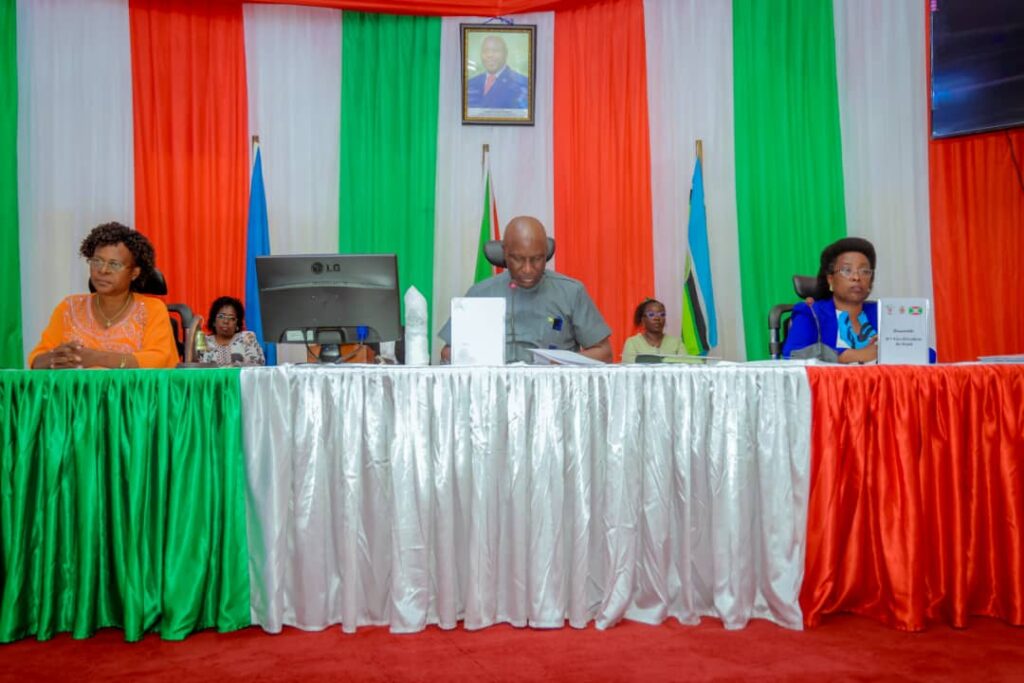
Burundi is developing new legal frameworks to protect personal data, addressing what officials describe as legal, institutional, and organizational challenges. The necessity of personal data protection is beyond doubt, with these challenges being legal, institutional, and organizational in nature. The country's push includes Law no1/03 of March 10, 2026, which grants individuals the right to demand protection for their processed personal data. This legislative effort aims to establish clearer guidelines for data handling, recognizing the critical need for a strong framework in the digital age.
Understanding Personal Data
Personal data refers to any information about an individual that enables their direct or indirect identification as a natural person. This includes details that can be used to distinguish one person from another. Private data, a subcategory, specifically concerns the personal or intimate aspects of an individual's life. The distinction is key for understanding the scope of protection needed, as private data often requires a higher level of security and restricted access due to its sensitive nature. The proposed legal framework seeks to encompass both general personal data and this more sensitive private data, ensuring full protection for individuals.
Current Data Processing Landscape
Many public and private institutions in Burundi process or subcontract personal data without ensuring its protection, according to official claims. These entities include the Institut nationale de sécurité sociale (INSS), Mutuelle de la fonction publique, Office burundais les recettes (OBR), hospitals, insurance companies, and telecommunication companies. The widespread nature of data processing across various sectors shows the urgent need for a unified and enforceable data protection law. Without adequate safeguards, individuals' personal information remains vulnerable to misuse, unauthorized access, or breaches, posing significant risks to their privacy and security. The current situation notes a gap in regulatory oversight that the new law aims to close.
The proposed law on personal data protection is structured into five main parts. These sections cover general provisions, principles governing data processing, and the definition of lawfulness in data processing. Additionally, the law outlines the rights of the data subject and specifies the technical and organizational obligations of the data controller. This full structure is designed to provide a clear and actionable framework for all entities handling personal data, ensuring that both the rights of individuals and the responsibilities of data processors are well-defined. The general provisions lay the groundwork for the entire legislation, while the principles ensure that data processing adheres to ethical and legal standards. Defining lawfulness in data processing is key to preventing arbitrary data collection and use, establishing clear boundaries for legal operations.
Expert Insights and Legal Framework
Establishing an adequate legal framework is a great necessity in Burundi, a claim made in line with practices in other countries. The right to personal data protection will become a reality once the necessary implementing texts are put in place, according to legal experts. Maître Willy Rubeya, an avocat with 25 years of experience at the Rubeya & Co-Advocates firm, is a certified delegate for personal data protection. His expertise is relevant as Burundi develops its new data protection law, which aims to provide clearer guidelines for handling personal information and ensure individual rights are upheld. The implementation of these texts is key for the legal framework to effectively protect individuals' data within the country. The insights from legal professionals like Maître Rubeya are vital for crafting legislation that is both strong and practical, addressing the specific challenges faced by Burundi while aligning with international best practices. The development of these implementing texts will translate the broad principles of the law into concrete procedures and regulations, making data protection a tangible right for every Burundian citizen.
Broader Economic Implications
The protection of intellectual property and the safeguarding of personal data, while serving different ultimate objectives, coexist closely within a digital economy. Intellectual property protection is rooted in economic, social, and cultural logic, aiming to foster innovation and creativity through the recognition of rights over intangible assets. This encourages investment in research and development, driving economic growth and cultural enrichment. In contrast, personal data protection primarily safeguards individuals whose data is collected and processed by various entities. It ensures privacy, prevents discrimination, and builds trust in digital services, which is essential for the widespread adoption of digital technologies. The distinction notes the dual nature of digital governance, addressing both commercial interests and individual privacy rights within the same technological landscape. A strong data protection framework can foster consumer trust, encouraging greater participation in the digital economy and facilitating the growth of e-commerce and digital services. By creating a secure environment for data exchange, Burundi can attract foreign investment and promote local innovation, positioning itself as a reliable partner in the global digital landscape. This integrated approach is key for Burundi's ambition to develop a thriving and secure digital economy.