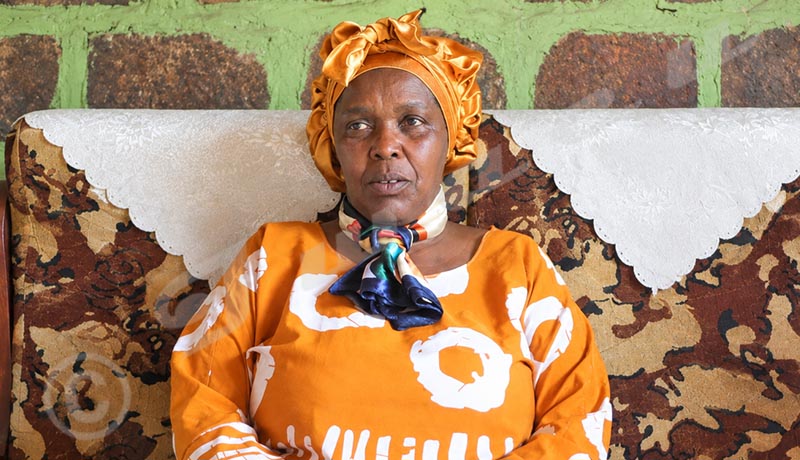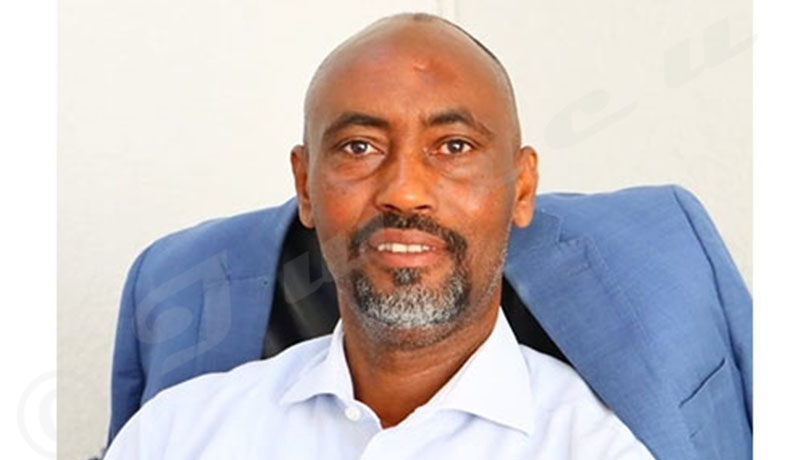
The Burundian government has established a mandatory contribution rate of 61,773 BIF per square meter for national road paving projects. Dr. Diomède Ninteretse addressed the policy in a recent interview, questioning the financial burden placed upon the public.
"Gouverner ce n’est pas seulement annoncer des mesures. C’est aussi planifier, financer, exécuter et contrôler," Dr. Diomède Ninteretse stated. He argued that the policy creates a double-payment scenario for residents, noting, "Le citoyen risque de payer deux fois. Normalement, en payant les impôts et taxes, le citoyen a déjà payé la facture." While acknowledging that private contributions can assist infrastructure development, Dr. Diomède Ninteretse emphasized, "La contribution citoyenne peut être un complément mais pas une substitution. Elle ne devrait pas devenir une substitution au financement public."
Financial Burden on Property Owners
Property owners face varying financial obligations based on the dimensions of their land frontage under the government's road paving policy. A property owner possessing a 10-meter facade is required to pay 1,853,190 BIF to cover the mandatory contribution for these infrastructure projects. For those with larger plots, the costs increase proportionally. A property owner with a 20-meter facade must pay 3,706,380 BIF for the road paving requirements. These calculations are derived from the established rate of 61,773 BIF per square meter mandated by the Burundian government for national paving initiatives. The policy applies these figures directly to residents regardless of other tax commitments.
Economic Reality of Average Salaries
Burundian citizens face significant financial pressure when reconciling these road paving requirements with local income levels. Data indicates the average salary in Burundi is approximately 120,000 BIF. This figure notes the disparity between the mandatory infrastructure contributions and the monthly earnings of the average resident. Property owners with a 10-meter facade, who are required to pay 1,853,190 BIF, would need to allocate the entirety of their average salary for more than 15 months to satisfy the obligation.
The Burundian government recently approved a budget of 6,000 billion BIF for various activities. This total allocation covers the state’s broader fiscal responsibilities, including infrastructure development and other national projects. While the government maintains this budget to support its operations, individual taxpayers remain responsible for the specific paving costs assessed against their land frontage. The gap between the scale of the national budget and the average monthly salary remains a central point of concern for those tasked with meeting the paving payments.