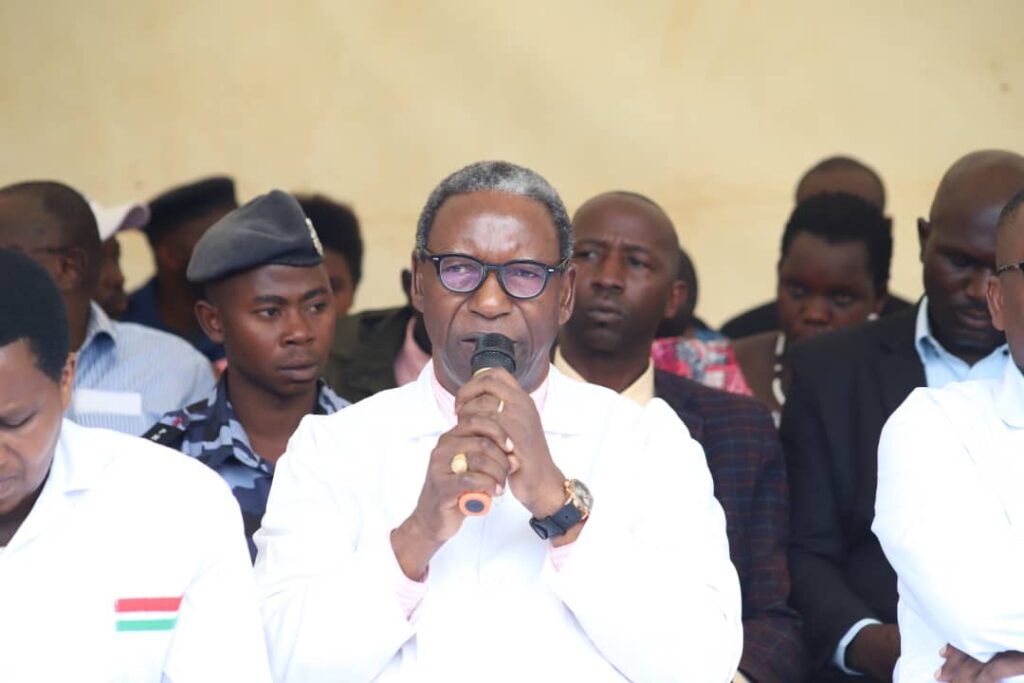
Burundi's Commission Vérité et réconciliation (CVR) visited Gitega commune on Wednesday, May 6, 2026, marking a significant step in addressing historical injustices related to spoliated properties. This visit to Gitega commune is part of the commission's broader mandate to investigate and resolve property disputes across the nation. The visit comes as the CVR emphasizes the fundamental principle that the right to property is considered sacred, perpetual, and absolute within the nation. This affirmation underpins the commission's efforts to adjudicate claims and restore properties to their rightful owners, aiming to resolve long-standing disputes that have plagued the country for decades. The CVR's presence in Gitega commune notes its ongoing work across different regions of Burundi, signifying a concerted effort to bring justice and reconciliation. The commission is now making public its first decisions on land and other property spoliated during past crises in Burundi, marking a key moment in its operations.
Land Dispute Resolutions Detailed
The Commission Vérité et réconciliation (CVR) announced it has made decisions on nine property disputes in Gitega. These initial rulings represent a tangible outcome of the CVR's careful investigative process. The commission noted that some of these conflicts were resolved through amicable arrangements between the involved parties, demonstrating a commitment to fostering reconciliation alongside legal resolution. This approach allows for direct engagement and mutual agreement, often leading to more sustainable outcomes for the communities involved. CVR based its investigations and subsequent decisions on the original property titles presented by claimants, ensuring that its rulings are grounded in verifiable historical documentation and legal ownership. This rigorous adherence to evidence is key for establishing legitimacy and trust in the commission's work.
Among the resolved cases, a built-up plot located in the center of Gitega was returned to its rightful owner, rectifying a past injustice. Additionally, a field property situated in Buhiga, which had been previously occupied by the Anglican Church (Eglise Anglicane), was restored to its rightful family, showing the CVR's commitment to addressing claims against various entities. These specific examples illustrate the diverse nature of the property disputes the CVR is tackling and the concrete impact of its decisions on individuals and families. However, one dispute concerning a property between a third party and the United Methodist Church (Eglise méthodiste unie) was referred to authorized judicial bodies for further resolution. This referral indicates that while the CVR aims to resolve as many cases as possible, it also recognizes the need for specialized judicial intervention in certain complex situations.
Legal Framework and Mandate
The Commission Vérité et réconciliation (CVR) bases its operational framework on the law of May 28, 2024, which specifically governs its mandate and activities. This legislative foundation provides the legal authority for the commission to investigate and adjudicate claims related to spoliated properties, ensuring its decisions are rooted in national statutes. The law outlines the CVR's powers, procedural guidelines, and its role in fostering reconciliation and addressing historical injustices across Burundi. It grants the commission the necessary tools and authority to demand information, conduct investigations, and render binding decisions.
The CVR's actions are also guided by the trial of April 28, 2023. This significant judicial decision annulled all judgments rendered during past cyclical crises in Burundi, effectively clearing the legal slate for many property disputes. The annulment provides a critical legal precedent, allowing the CVR to re-examine and resolve cases that were previously complicated by judgments issued during periods of conflict and instability. This trial's outcome is instrumental in allowing the CVR to address property claims without being constrained by potentially biased or unjust rulings from past turbulent periods. This twin legal framework, comprising both the specific law governing its operations and the overarching judicial annulment, enables the commission to operate with a clear and strong mandate as it works to restore properties and facilitate reconciliation throughout the country.
Call for Truth and Reconciliation
Burundi's Commission Vérité et réconciliation (CVR) has begun publishing its initial decisions regarding land and other properties that were spoliated during previous crises in the country. This marks a significant phase in the commission's mandate to address historical injustices, moving from investigation to concrete action. The CVR's rulings aim to rectify long-standing property disputes stemming from periods of national upheaval, providing a pathway for claimants to regain lost assets and for communities to heal. These inaugural decisions highlight the CVR's progression from investigation to the final adjudication phase, demonstrating its capacity to deliver tangible results. The commission's process involves thorough examination of presented evidence and original property titles to ensure the legitimacy of claims, reinforcing the integrity of its decisions. Further strengthening the impact of its work, the CVR has stated that all decisions it renders are legally enforceable, providing claimants with assurance that their rights will be upheld. Crucially, these rulings are not subject to appeal, indicating a definitive resolution mechanism for the complex property issues under its purview. This non-appealable status is intended to provide finality and stability to the resolved cases, preventing prolonged legal battles and fostering a sense of closure for all parties involved. This resolute approach is designed to prevent further disputes and contribute to lasting peace and stability in Burundi.