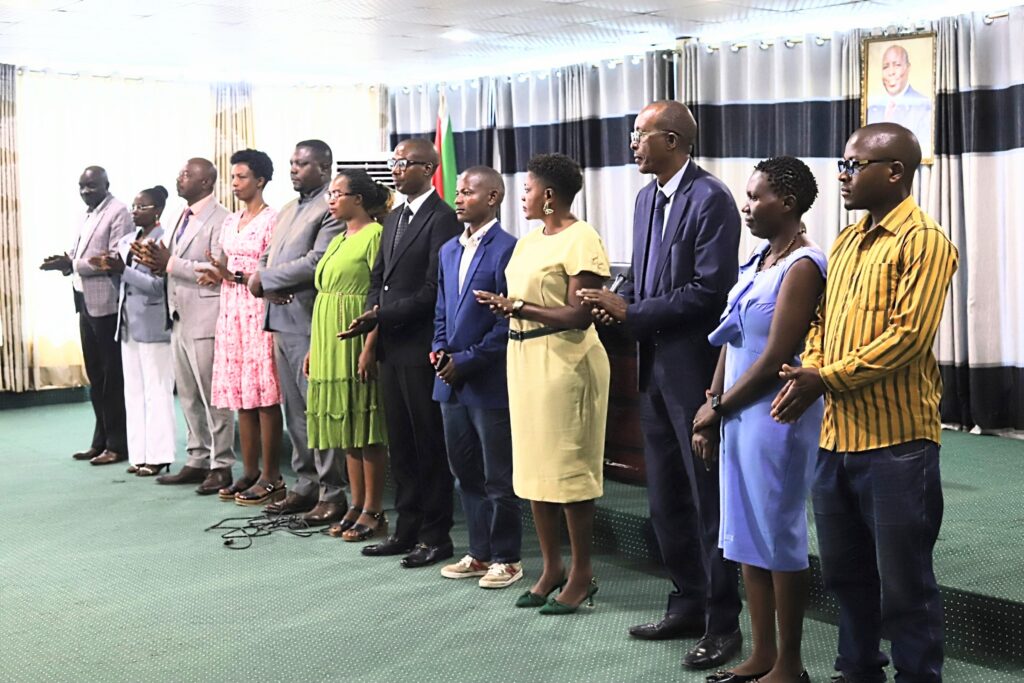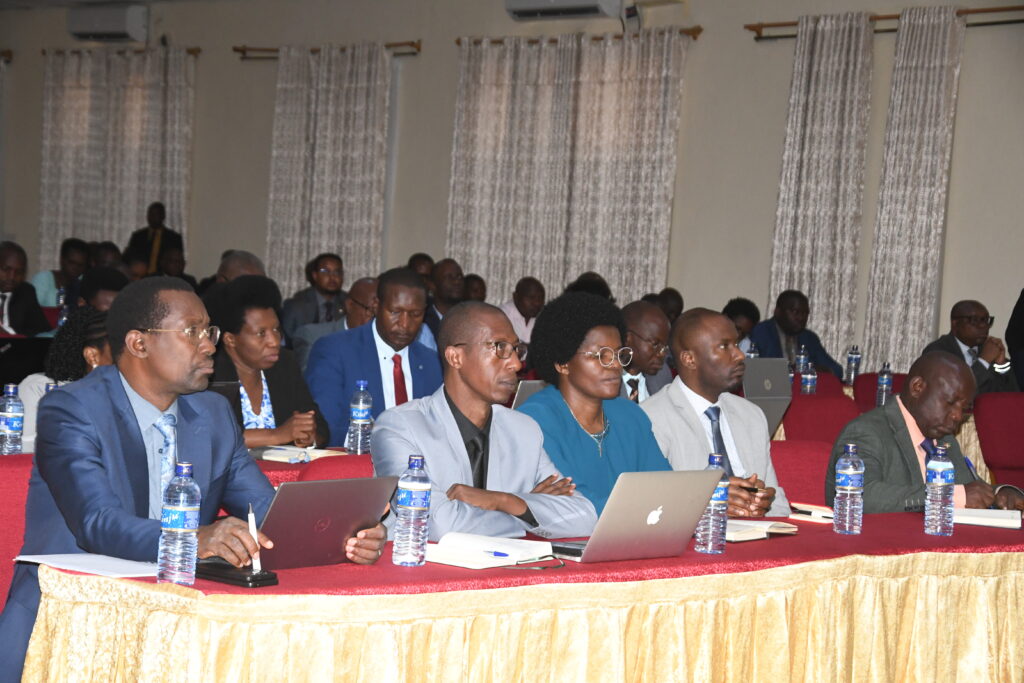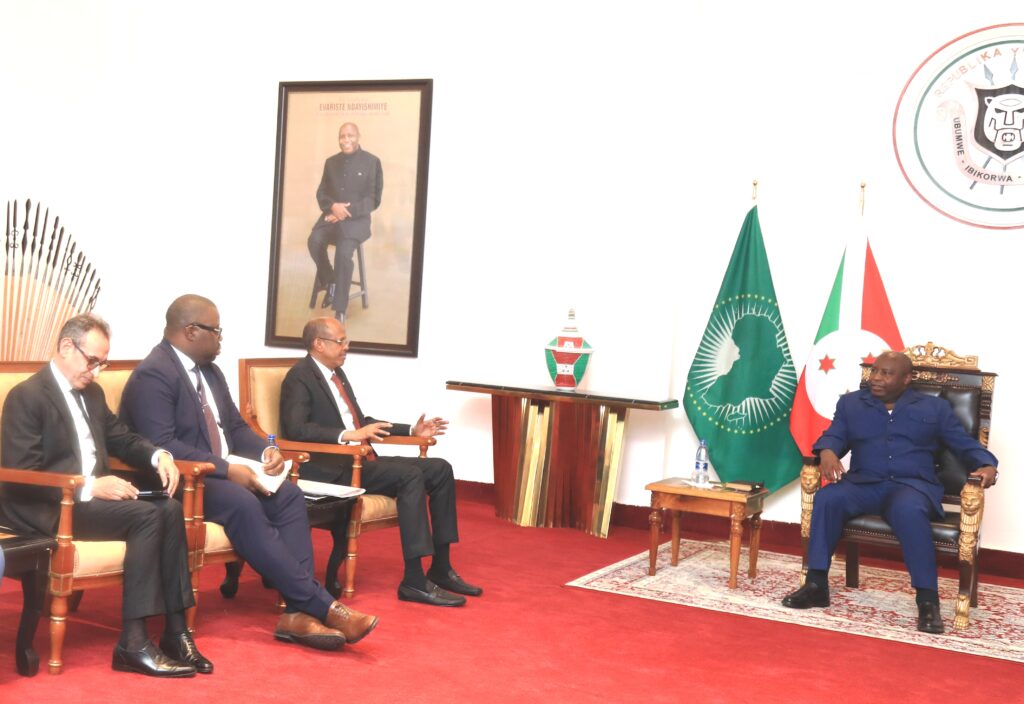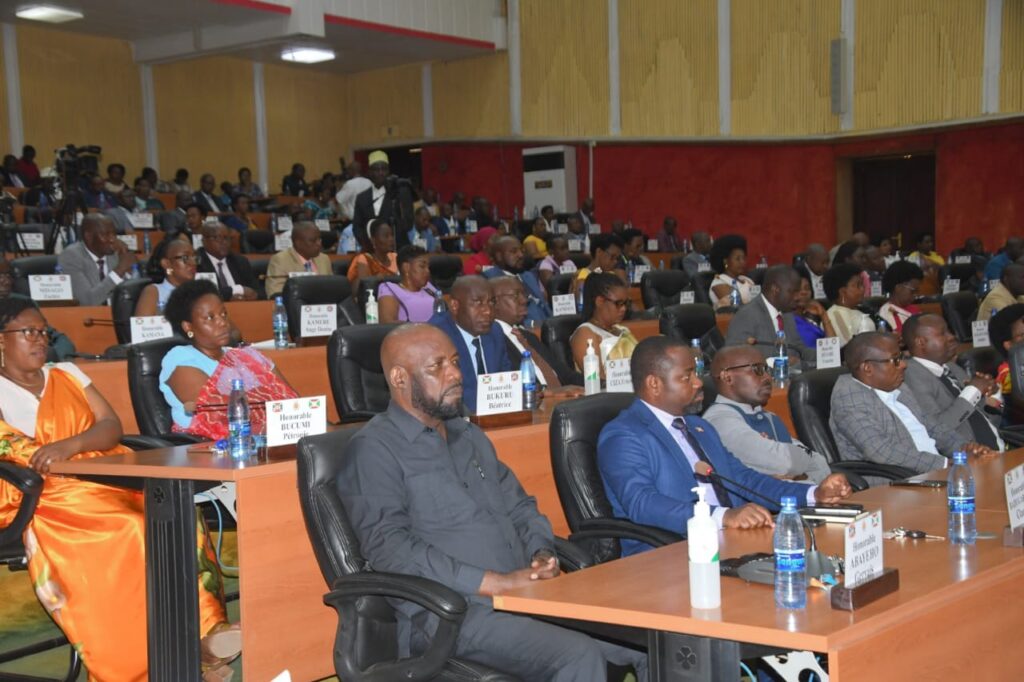
Pierre Claver Ndayicariye, president of Burundi's Truth and Reconciliation Commission (CVR), on Tuesday, June 16, 2026, presented the definitive report on the genocide against the Hutu of Burundi. The presentation was made to both chambers of Parliament, convened in congress at the Kigobe Congress Palace. The CVR aims to establish the truth, recognize the facts concerning the victims of the genocide, indicate the truth about atrocities, and deliver justice to those who were hurt and targeted. This full report marks a significant milestone in the nation's ongoing efforts to confront its painful past and foster national healing. Mr. Ndayicariye stated, "La vérité est appelée à apparaître au grand jour, afin que nous puissions tous accomplir de bonnes actions pour libérer le pays."
The presentation of this report at the Kigobe Congress Palace shows the national importance and official recognition of the CVR's work. By delivering the findings directly to both chambers of Parliament, the commission ensures that its detailed investigations and conclusions are formally acknowledged at the highest legislative levels, paving the way for potential policy changes and continued reconciliation initiatives. The CVR's mandate is deeply rooted in the need to provide a clear and undisputed account of historical events, thereby laying a foundation for a more peaceful future.
Report's Findings and Scope
The report details that individuals who organized murders in 1972 continued to perpetrate massacres until 1976. This period of sustained violence notes a systematic pattern of aggression that extended beyond initial events. Victims were subjected to dehumanization by authorities, who employed terms such as 'animalization of the human person' or 'reification of the human being' to describe them. Such language not only stripped individuals of their dignity but also facilitated the widespread atrocities committed against them. The document indicates that Hutus were frequently arrested during the day and subsequently killed at night, a grim methodology that instilled terror and made escape or intervention nearly impossible for those targeted. These findings shed light on the calculated nature of the violence and the severe persecution faced by the Hutu population during this dark chapter of Burundi's history.
The full findings presented in the report also build upon prior research conducted in Burundi. French teacher Jean-Pierre Chrétien and his partners, including Etienne Nduwimana, Amédée Habimana, and Ferdinand Hakizimana, undertook significant research efforts in the country. Their careful work, which involved extensive historical investigation and documentation, provided key preliminary insights into the scale and nature of the violence. Their research culminated in the publication of a book titled 'Burundi 1972 au bord des génocides', which provided foundational insights into the events of that period. This earlier research contributed to understanding the historical context and patterns of violence that the present commission's report further investigates and documents, offering a more complete and officially sanctioned narrative. The CVR's report thus serves as a definitive statement, incorporating and expanding upon previous academic and historical inquiries to present a strong account of the genocide.
Justice and Restitution Efforts
The Truth and Reconciliation Commission (CVR) has observed that some Burundians have opted to return property they had appropriated, signaling a voluntary move towards restitution. This willingness to return seized assets represents a key step towards acknowledging past wrongs and initiating a process of healing within communities. Certain individuals have progressed to amicable arrangements, agreeing to either return property or provide financial compensation to the families of victims. These actions, though individual, are vital in addressing the material and emotional losses suffered by many, demonstrating a commitment to restorative justice. These actions represent initial steps in addressing historical grievances related to expropriation and fostering a sense of fairness.
The CVR has also initiated investigations into disputes concerning land and other property across all provinces of the country. This widespread effort aims to systematically address unresolved claims and facilitate reconciliation processes, recognizing that land disputes are often deeply intertwined with historical conflicts and communal tensions. These investigations are critical for resolving long-standing grievances and ensuring that justice is served for those whose property was unlawfully taken. In connection with these investigations, the CVR has communicated its initial decisions regarding these disputes to the relevant authorities, ensuring that administrative and legal bodies are informed of the commission's findings and recommendations for resolution. This communication is essential for the effective implementation of the commission's recommendations and for securing the necessary legal and administrative support to enforce restitution. These measures are part of the broader efforts to foster justice and support restitution for those affected by past conflicts, seeking to mend the social fabric of the nation.
Obstacles to Truth and Reconciliation
The period of facts investigated by Burundi's Truth and Reconciliation Commission (CVR) extends from 1885 to 1972. This extensive timeframe reflects the commission's mandate to examine historical events that have contributed to conflict and division within the nation, tracing the roots of violence over several decades. The CVR's work has encountered significant challenges due to false testimonies, fraudulent documents, and the reluctance of some Burundians to provide truthful accounts. These obstacles have complicated the commission's efforts to establish a definitive historical record and to facilitate reconciliation among affected communities, requiring careful verification and careful handling of sensitive information. The fear of reprisal or the lingering effects of trauma have made it difficult for some individuals to come forward with their full testimonies.
The grief caused by various murders and acts of violence has deeply marked many hearts across Burundi, according to the commission. This profound emotional impact further shows the difficulties in uncovering truth and fostering reconciliation, as past trauma can impede open dialogue and trust-building processes. The CVR acknowledges that the deep wounds left by these historical events continue to affect individuals and communities, making the process of confronting the past both necessary and emotionally arduous. The commission’s efforts are thus not merely about historical documentation but also about acknowledging the enduring pain and working towards a future where such atrocities are never repeated. The CVR continues to navigate these complexities in its mission to clarify historical events and address the legacies of violence, striving to bring closure and understanding to a nation grappling with its past.