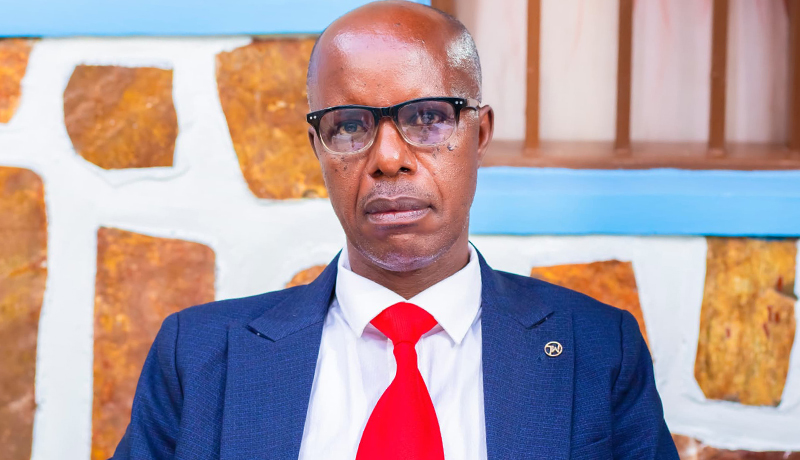
Burundi's Vice-President, Prosper Bazombanza, inaugurated the Rutyazo Eco-Cultural Center, named "kwa Miganda," on Wednesday, July 22, 2026. The significant ceremony took place in the commune of Mwaro, located within the picturesque Gitega province. This innovative cultural hub was established through the dedicated initiative of Perpétue Miganda, whose vision brought the project to fruition. The inauguration was a well-attended event, drawing various local administrators, including the administrator of Mwaro commune, Calixte Rwarukundo, who played a key role in local arrangements. An envoy representing the governor of Gitega province also participated, showing the provincial government's support and interest in the center's development and its potential impact on the region. The presence of such high-ranking officials noted the national importance attributed to the preservation and promotion of Burundian heritage.
Center's Cultural Offerings and Immersive Experiences
The Rutyazo Eco-Cultural Center features an array of facilities meticulously designed to showcase and preserve Burundian heritage. Among its distinctive offerings is a traditional hotel, uniquely constructed using ancestral building techniques that reflect the ingenuity of past generations. Alongside this, the center boasts several traditional dwellings, meticulously recreated to reflect historical architectural styles and provide an authentic glimpse into Burundian living. Beyond structures, the center also cultivates a diverse collection of medicinal plants, noting and preserving traditional Burundian knowledge of natural remedies and their historical uses in healing and wellness. This commitment to both tangible and intangible heritage forms a core part of the center's mission.
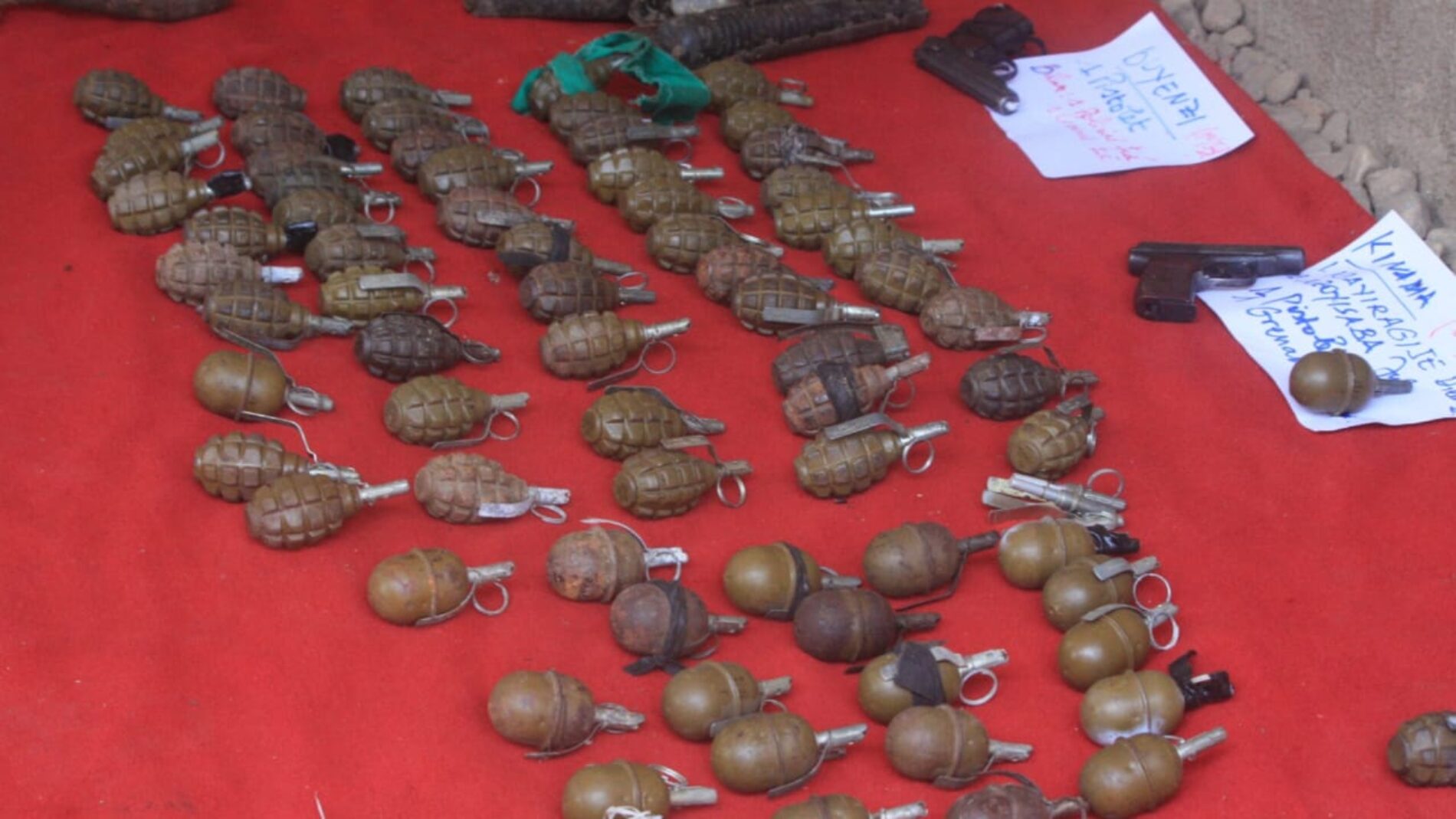
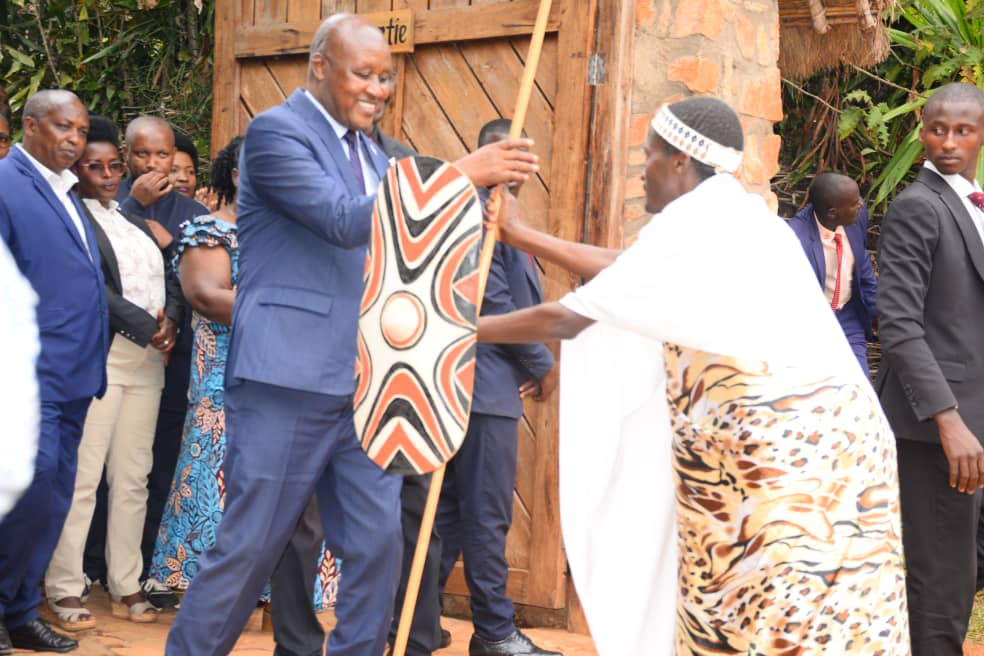
During the inauguration ceremony, a compelling display of objects central to Burundian cultural heritage was presented for visitors to explore. These included a fascinating collection of old household utensils, offering insightful glimpses into the daily life, domestic practices, and craftsmanship of Burundian ancestors. Additionally, the exhibition featured various weapons and equipment historically used for defense, illustrating the historical context of security and protection within Burundian communities. Beyond static displays, the center also presented customary ancestral practices, bringing history to life. One particularly notable and impactful presentation involved the solemn investiture of the Bashingantahe, a traditional council of elders revered for their profound role in conflict resolution, upholding justice, and providing community leadership within Burundian society. This demonstration served to educate and remind attendees of the enduring significance of these traditional institutions.
Vision and Government Support for Cultural Tourism
The Rutyazo Eco-Cultural Center project aligns smoothly with the ambitious objectives outlined in Burundi's Vision 2040-2060, a full national development framework designed to guide the country's progress for decades to come. This alignment shows the center's role in contributing to broader national goals. The Burundian government has explicitly expressed its unwavering commitment to supporting and fostering the nation's burgeoning tourism sector. This commitment is not merely rhetorical; it includes a strategic pledge for continued collaboration with private investors, aiming to significantly enhance and promote the country's rich cultural riches on both a national and international stage. The government recognizes that cultural sites like Rutyazo are vital assets in this endeavor.
Perpétue Miganda, the visionary initiator of the Rutyazo Eco-Cultural Center, articulated a clear and compelling purpose for the facility. She stated emphatically that the center will serve a key educational purpose, acting as a living classroom. She explained that the center is specifically intended to teach young generations of Burundians and foreign visitors alike about Burundi's rich and complex history, its unique customs, its deeply ingrained values, and its traditional way of life, ensuring these elements are not lost to time. Miganda also took the opportunity to call upon the Burundian government to extend its invaluable support to the creation and development of additional cultural centers in various regions across the country, advocating for a nationwide network of such institutions. She further advocated passionately for the strategic development and improvement of roads leading to these cultural sites, emphasizing that improved infrastructure would significantly facilitate visitor access, enhance the overall tourist experience, and ultimately promote cultural tourism as a key economic driver.
Promoting Heritage and Sustainable Tourism
The Rutyazo Eco-Cultural Center, affectionately known as "kwa Miganda," represents a significant and forward-looking step in Burundi's concerted efforts to promote its invaluable national heritage and boost its tourism sector. The center, strategically located in the commune of Mwaro, Gitega province, aims to comprehensively showcase the country's rich cultural tapestry through its authentic traditional architecture, its fascinating historical artifacts, and its vibrant ancestral practices. This initiative aligns perfectly with the broader goals of Burundi's Vision 2040-2060, which places a strong emphasis on national development, the enhancement of cultural assets, and the cultivation of a strong tourism economy.
The Burundian government has affirmed its strong support for the tourism sector, indicating a clear and actionable commitment to collaborate with private investors on projects that highlight the nation's cultural wealth and unique identity. Perpétue Miganda, the dedicated initiator of the Rutyazo Eco-Cultural Center, showed its vital educational role, stating that it will be instrumental in informing young Burundians and international visitors about the country's history, customs, values, and traditional way of life, thereby fostering a deeper appreciation for Burundian identity. Miganda also urged the government to support the establishment of similar cultural centers throughout Burundi, ensuring that cultural education and preservation are accessible nationwide. She stressed the importance of developing strong road infrastructure leading to these sites, which she firmly believes would enhance accessibility for all visitors and further promote sustainable cultural tourism, contributing to both economic growth and national pride.