Some farmers in Burunga province have reported a significant decline in agricultural production during the recent B cultural season. The reported drop in yields comes as the region faces significant challenges, including widespread fertilizer shortages and adverse climate conditions. These compounding factors have strained local agricultural output, impacting the livelihoods of many farmers across Burunga. The reduced production figures for the B cultural season highlight an ongoing struggle for the province's agricultural sector, prompting concerns about food security and economic stability in the area. This decline has been widely reported by various agricultural communities within the province.
Farmers Detail Production Shortfalls
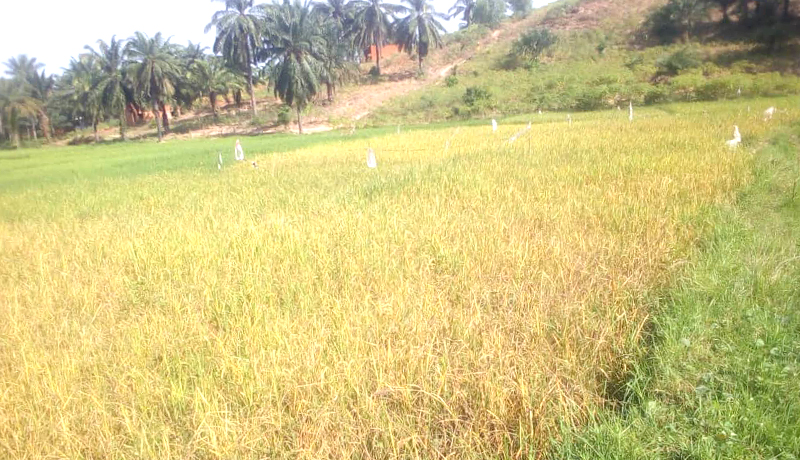
An anonymous farmer from Gatete hill, Rumonge commune, Burunga province, identified only as N.A. Reported a noticeable decrease in his rice production within the Busambi valley compared to the previous B season. The farmer attributed the poor rice harvest to a combination of factors, including a critical lack of urea fertilizer, significant changes in local climate patterns, and inadequate agricultural guidance provided to farmers. These elements collectively impacted the expected output from his fields, leading to a disappointing harvest. N.A.'s experience is indicative of the broader challenges faced by many rice cultivators in the region during this period.
N.A. Also noted the challenges faced in cultivating cassava, a key staple crop, citing a poor harvest for this as well. He specified that a severe drought was a significant contributing factor to the reduced cassava yields, exacerbating the difficulties faced by local farmers. Additionally, the farmer noted that the scarcity of chemical fertilizers further compounded these difficulties, directly affecting the growth and overall production of his cassava crops during the recent agricultural period. These issues show the broader difficulties experienced by farmers in the region, affecting both their food supply and income. The combined impact of drought and fertilizer scarcity has made it exceptionally difficult for farmers to achieve satisfactory yields for essential crops like cassava.
Official Confirmation and Causes
Jean-Marie Congera, the provincial director of Environment, Agriculture, and Livestock in Burunga, confirmed a significant drop in production for crops that specifically require urea. Congera stated that the supply of urea fertilizer was insufficient to meet the agricultural demands of the province, directly contributing to the reduced yields across various agricultural sectors. This official acknowledgment supports farmers' reports of difficulties securing essential inputs for their crops, validating their concerns about the availability of key agricultural resources. The insufficient supply of urea has been a major impediment to achieving optimal crop growth.
Another farmer, S.F. From Mugerama hill in Nyanza commune, Burunga province, noted a year-on-year decline in his cassava harvest, further illustrating the widespread nature of the problem. S.F. Attributed this decrease to the susceptibility of the particular cassava variety he planted to various diseases, indicating a challenge beyond just fertilizer availability. The choice of crop variety and its resilience against common ailments appears to be another significant factor impacting regional agricultural output, adding another layer of complexity to the province's agricultural woes. This notes the need for more resilient crop strains.
Congera also reported that Burunga province experienced severe climate disruptions during the recent season, characterized by alternating periods of heavy rainfall and prolonged drought. These extreme weather patterns particularly affected the Imbo and Kumosso regions, areas historically key for agricultural production within the province. The director's observations highlight the dual challenge of input shortages and increasingly volatile environmental conditions facing farmers in the province, making agricultural planning and execution exceedingly difficult. The unpredictable weather has profoundly impacted crop cycles and water availability.
Beyond individual farms, farmers in Makamba commune also reported a considerable decrease in their bean harvest for the B cultural season. They cited a similar confluence of factors: a lack of chemical fertilizers and weak agricultural guidance as primary causes for their reduced yields. This suggests a systemic issue affecting multiple communes and diverse crops across Burunga province. Fruit production, including oranges and mandarins, has similarly declined in Rumonge commune, attributed to the same critical factors impacting other crops, namely the scarcity of essential chemical fertilizers and inadequate support in agricultural practices. The problem is thus affecting a wide array of agricultural products, from staple grains and root crops to fruits.
Proposed Solutions and Future Plans
Jean-Marie Congera, the provincial director of Environment, Agriculture, and Livestock in Burunga, not only confirmed the production decrease but is also actively proposing solutions to address the multifaceted challenges. Recognizing the persistent issue of chemical fertilizer scarcity, Congera suggested that each household create at least one compost pit for organic fertilizer. This initiative aims to provide a sustainable and accessible alternative to chemical inputs, empowering farmers to produce their own soil enrichments and reduce reliance on external supplies. This move towards organic practices is seen as a key step in building agricultural resilience.
Additionally, in a move to mitigate some of the climate-related challenges impacting agricultural output, irrigation work for over 400 hectares in the Gatete area of Rumonge commune, which had been suspended, is expected to resume soon. This critical infrastructure project is anticipated to significantly improve water management and supply for farming communities in the area, particularly during periods of drought. The resumption of this irrigation work is a key part of the provincial strategy to bolster agricultural productivity and support farmers in overcoming the current difficulties. These measures, alongside improved agricultural guidance, are hoped to bring some relief to the struggling agricultural sector in Burunga province.