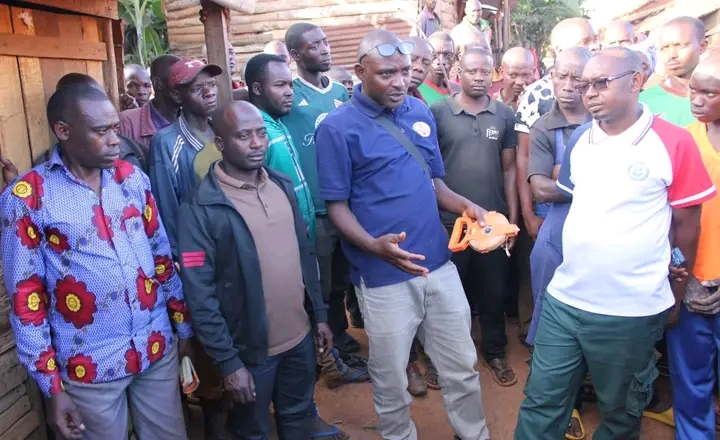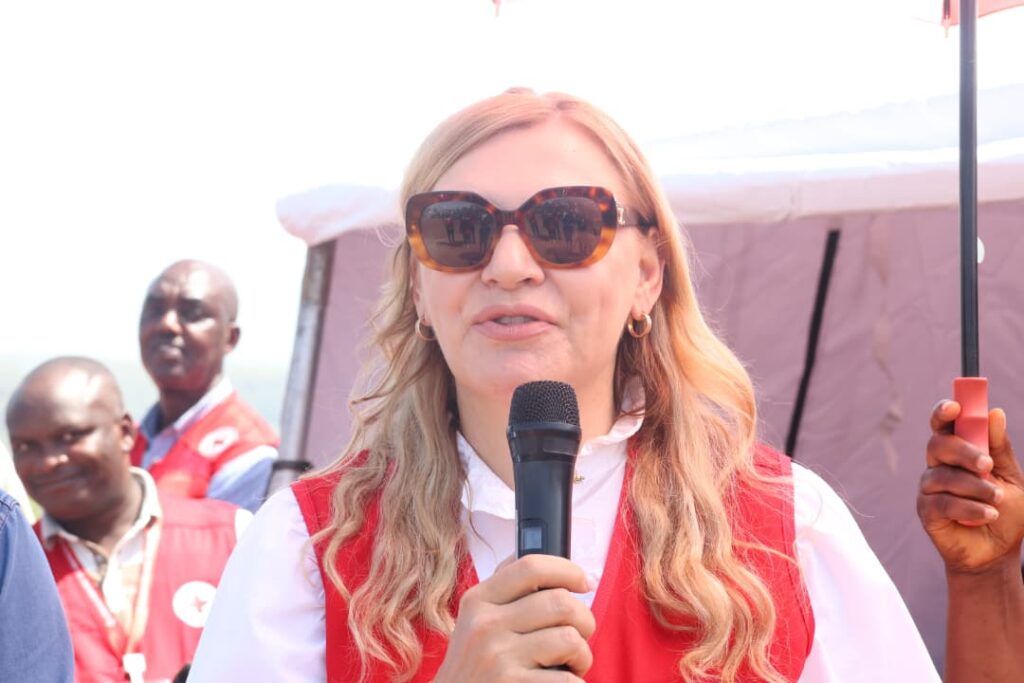
Nena Stoiljkovic, Deputy Secretary General of the International Federation of Red Cross and Red Crescent Societies (IFRC) for humanitarian diplomacy, concluded a three-day working visit to Burundi on May 29, 2026. Stoiljkovic praised the efforts of the Burundi Red Cross during her visit. "This is my first visit to Burundi, and I was pleased with the hospitality I received," Stoiljkovic stated. "During the three days of my visit, I could not cover all the activities carried out by the Burundi Red Cross, but I positively appreciate the work done by the Secretary General of the Burundi Red Cross, Anselme Katiyunguruza, and his team." Stoiljkovic also emphasized future support for the organization's financial independence. "We will spare no effort to support the Burundi Red Cross in creating its own revenue streams because funds allocated to humanitarian action are being reviewed downwards. Therefore, we must seek to do something to generate income," she added.
Humanitarian Sites Visited
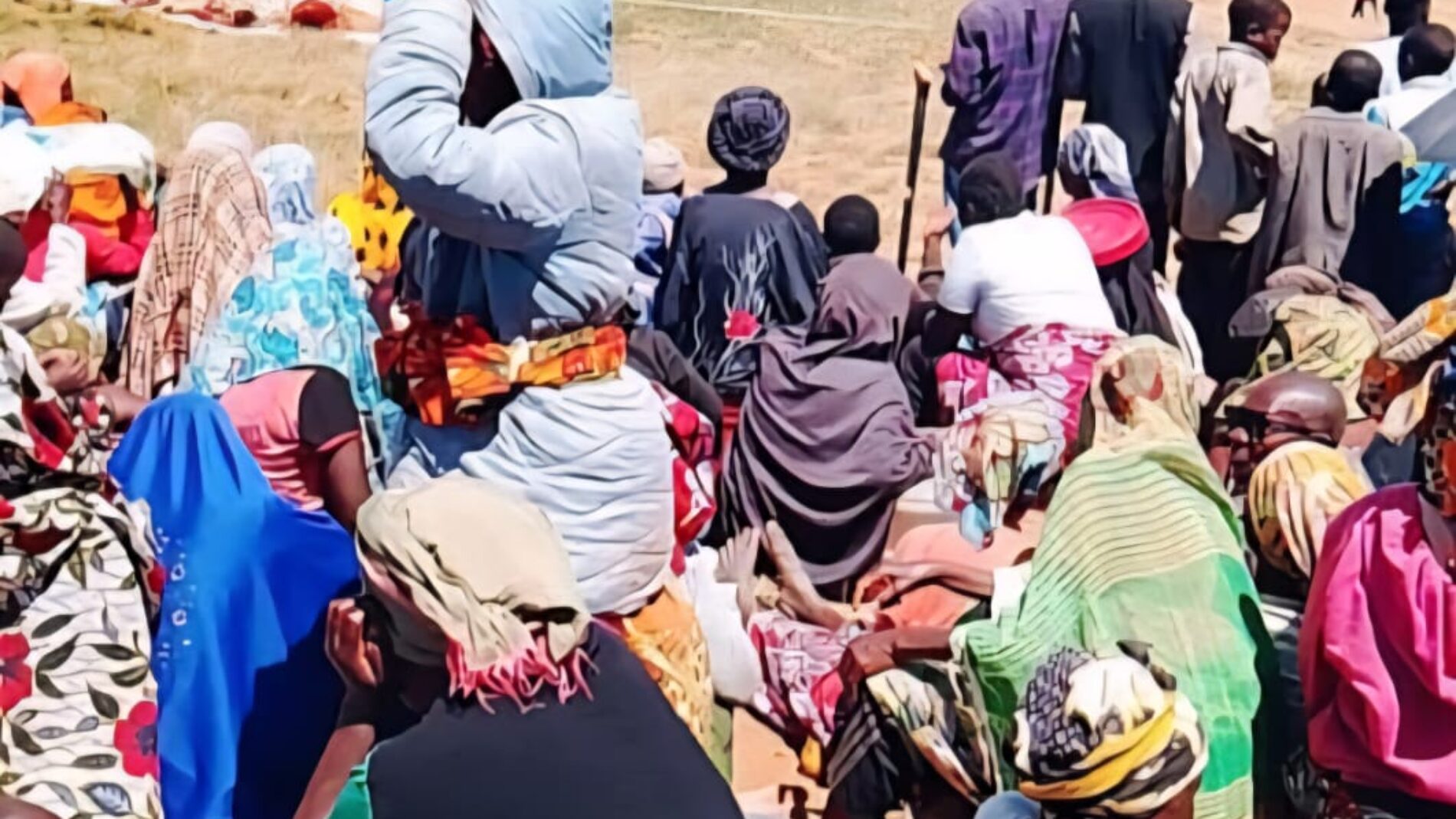
During her visit, Nena Stoiljkovic inspected various humanitarian sites to observe the Burundi Red Cross's operations firsthand. She visited the Gateri internal displacement site, where the organization provides assistance to displaced populations. The Gateri site is located in the Cibitoke province, which borders the Democratic Republic of Congo. This area frequently receives individuals displaced by various circumstances, including natural disasters and conflict. Stoiljkovic's visit aimed to assess the living conditions and the effectiveness of the aid distribution at the site.
Stoiljkovic also traveled to the Gatumba zone, another critical area for humanitarian intervention in Burundi. The Gatumba zone, situated near the Rusizi River and Lake Tanganyika, is known for its vulnerability to flooding and its role as a transit point for people crossing borders. The Burundi Red Cross maintains a significant presence in Gatumba, focusing on disaster preparedness and response. Activities in the zone include community health initiatives and support for local resilience-building efforts.
Another key location on her itinerary was Cishemere, which serves as a transit center for Congolese refugees. The center provides temporary shelter, food, and basic services to individuals fleeing the Democratic Republic of Congo. The IFRC Deputy Secretary General observed the registration processes and the provision of essential aid to those awaiting more permanent solutions. The Burundi Red Cross plays a key role in managing the flow of refugees and ensuring their immediate needs are met upon arrival.
At the Gateri internal displacement site, a donation of school supplies and empowerment aid for women was delivered to the displaced people. This initiative by the Burundi Red Cross aims to support the education of children affected by displacement and to provide women with resources that can help them achieve greater self-sufficiency. The aid package included educational materials for students and tools or resources designed to facilitate income-generating activities for women.
Praise for Burundi Red Cross
Nena Stoiljkovic, Deputy Secretary General of the International Federation of Red Cross and Red Crescent Societies (IFRC), visited the Congolese refugee transit site, observing the assistance provided to individuals displaced from the Democratic Republic of Congo. During her itinerary, Stoiljkovic also toured the Cibitoke Red Cross agency. She noted its proficient organization and effective operations, commending the local team's efforts in managing humanitarian activities within the province.
The Burundi Red Cross has established its own revenue streams, a development that Stoiljkovic observed during her visit. This approach allows the organization to generate income independently, contributing to its financial sustainability and reducing reliance on external humanitarian funding, which has seen downward revisions globally. This strategic focus on self-sufficiency is a key aspect of the Burundi Red Cross's operational model.
Stoiljkovic also recognized the Burundi Red Cross's substantial investment in volunteerism. She noted this commitment as a distinguishing factor when compared to Red Cross and Red Crescent societies in other countries. The emphasis on mobilizing and empowering a strong volunteer base enables the organization to extend its reach and implement a wide array of programs across Burundi. This approach enhances community engagement and local capacity for humanitarian action.
IFRC Support and Future Outlook
The Gateri site currently hosts individuals displaced by the rising waters of Lake Tanganyika, a situation that has persisted since 2023. The Gatumba zone has also been significantly affected by the increased levels of both Lake Tanganyika and the Rusizi River, leading to widespread displacement and humanitarian challenges. In response to these conditions, the Gatumba Red Cross branch has been actively disinfecting water supplies to combat the spread of diseases stemming from unsanitary environments.
The International Federation of Red Cross and Red Crescent Societies (IFRC) collaborated with the Burundi Red Cross to construct housing at Gateri, aiming to improve the living conditions for those affected by displacement. This support comes as the IFRC itself is reviewing funds allocated to humanitarian action downwards, showing the need for strategic partnerships and efficient resource deployment.