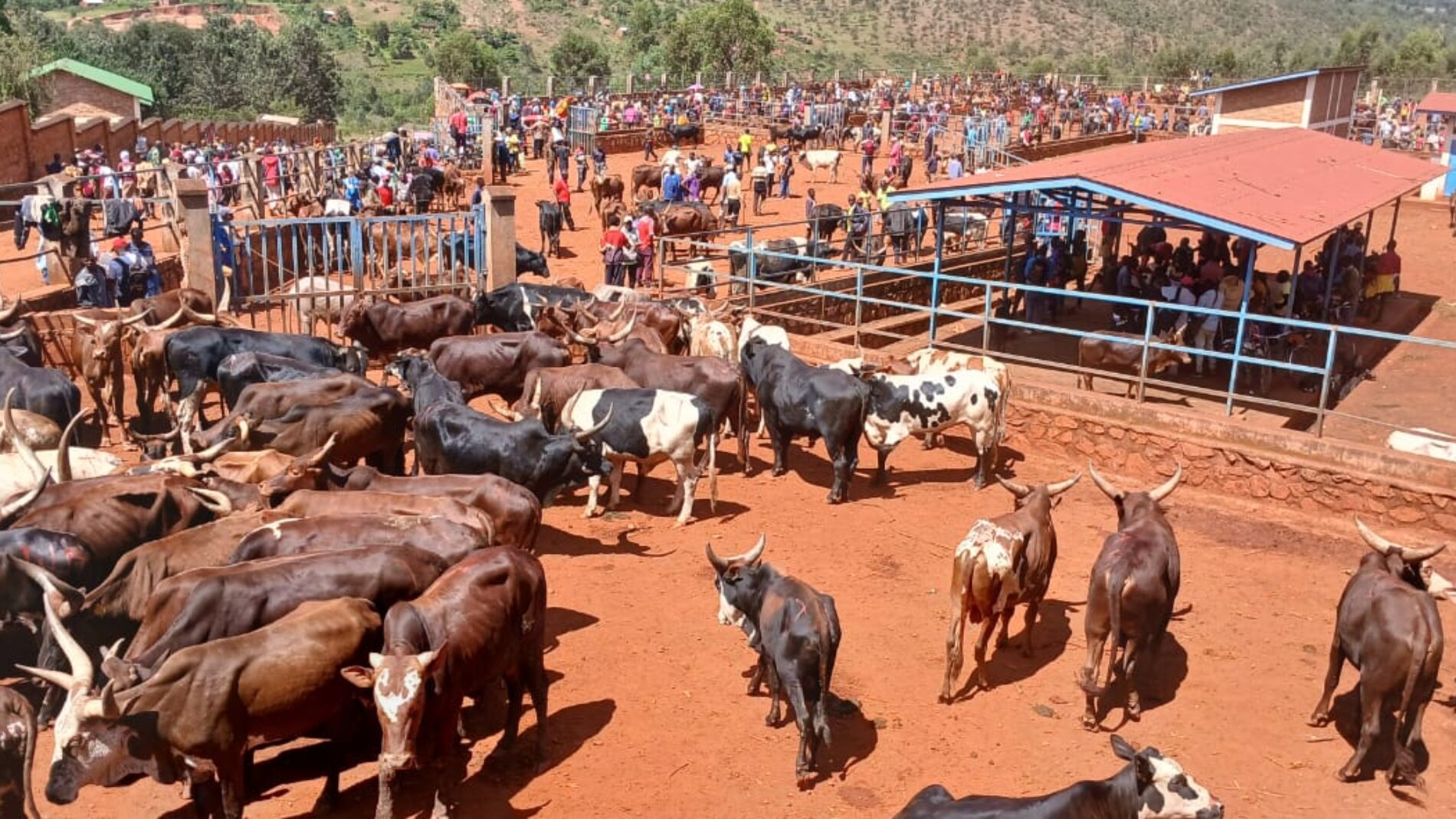
The Rutegama livestock market, a significant trading hub situated in the commune and province of Gitega, in the center of Burundi, is currently experiencing a severe water crisis. This vital economic center, located in the heart of Burundi, serves a wide community, facilitating the trade of various livestock. The market’s strategic location in the commune and province of Gitega shows its importance to the local economy and the livelihoods of numerous traders and residents. However, the lack of access to clean water at the market has raised substantial hygiene concerns among traders and patrons. This critical situation impacts daily operations and poses potential health risks within the busy market environment, threatening the well-being of all who frequent the facility. The market is facing a severe shortage of potable water, a fundamental requirement for any public facility, especially one dealing with livestock and food preparation.
Hygiene and Operational Disruptions
The market is currently experiencing a severe shortage of potable water, impacting daily operations and sanitation. This widespread water scarcity makes maintaining adequate hygiene extremely difficult and significantly disrupts the market's daily activities. A direct consequence of this water scarcity is that the toilets at the market are not functional. The absence of a reliable water supply renders these essential facilities unusable, creating an immediate and pressing sanitation problem. This lack of working sanitary facilities contributes to significant hygiene concerns for both traders and visitors, as proper waste disposal becomes impossible. The prevailing conditions are described as a bad practice that could facilitate the spread of various diseases within the market environment, posing a serious public health risk. The absence of adequate water prevents proper cleaning and maintenance of facilities, creating an unsanitary situation that can quickly deteriorate.
Users are forced to seek alternative locations for their needs, with some resorting to open defecation in nearby bushes. This practice, directly attributable to the non-functional toilets and the overall water shortage, exacerbates the hygiene crisis and increases the potential for environmental contamination. This disruption to essential services shows the broader challenges faced by the Rutegama livestock market, affecting public health and the smooth conduct of business. The inability to provide basic sanitation due to water shortages poses a tangible risk to the health of individuals frequenting the market, from traders handling livestock to restaurateurs preparing food and customers purchasing goods. The severe shortage of potable water is not merely an inconvenience; it is a fundamental impediment to the market's ability to operate safely and effectively, impacting every aspect of its daily function.
Rising Costs for Traders
Restaurateurs operating at Rutegama market are struggling to find adequate drinking water, a basic necessity for their businesses. The scarcity forces them to procure water from external sources, adding significantly to their operational expenses. One restaurateur reported needing at least six 20-liter jerrycans of water daily for their operations, noting the substantial volume required for cooking, cleaning, and customer needs. This essential water must be purchased from a neighbor at a cost of 500 Burundian francs per jerrycan, representing a recurring daily expense. When factoring in transport, the cost for a single 20-liter jerrycan of water rises to 1,000 Burundian francs, further increasing the financial burden on these small businesses. Another restaurateur, reflecting the varied needs of different establishments, reported using approximately ten 20-liter jerrycans of water per day, incurring a substantial cost of 10,000 Burundian francs solely for water purchases on a daily basis. This significant expenditure directly impacts their profitability and the affordability of food for market patrons.
In addition to these escalating water costs, restaurateurs face market fees that contribute to their overall operational expenses. They pay an annual fee of 10,000 Burundian francs, alongside an additional 1,000 francs each market day to operate within the facility. These fees, combined with the exorbitant cost of water, place considerable financial strain on food vendors. Livestock traders also incur specific costs for bringing their animals to market; a fee of 5,000 Burundian francs is charged for each goat or sheep entering the market. For larger animals, the fee is even higher, with the market charging 20,000 Burundian francs for each cow entering the premises. These various expenses, from daily water purchases to entry fees for livestock, contribute to the overall operational challenges faced by vendors amidst the severe water scarcity, making it more difficult for them to conduct their business profitably and sustainably. The cumulative effect of these costs, exacerbated by the lack of a reliable water supply, creates a challenging economic environment for all market participants.
Official Response and Future Plans
Dr. Jacques Nduwimana, the administrator of Gitega commune, has acknowledged the severe water crisis at the Rutegama livestock market and has pledged intervention to address the pressing issue. His recognition of the problem signifies a critical step towards finding a lasting solution for the market's water woes. The commune plans to take concrete steps toward resolving the problem of water scarcity, which has profoundly impacted hygiene and daily operations at the market. This commitment from the local administration provides a ray of hope for the traders and patrons who have been struggling with the current conditions.
As part of these efforts, a formal letter will be dispatched to REGIDESO, the national water and electricity utility. This official communication is intended to formally request the necessary infrastructure development. The letter will specifically request the connection of the Rutegama livestock market to the existing potable water network, a key step for establishing a reliable and sustainable water supply. This action aims to provide a sustainable solution to the market's long-standing water supply challenges, which have directly led to non-functional toilets and significant hygiene concerns among traders and patrons. The initiative seeks to alleviate the current conditions, which have been widely described as a bad practice that could facilitate the spread of various diseases within the market environment. Connecting the market to the potable water network is seen as the most effective long-term strategy to ensure consistent access to clean water, thereby improving sanitation, reducing health risks, and supporting the economic activities of this vital trading hub in Gitega.
Market Participants' Concerns
The absence of water at Rutegama livestock market severely complicates hygiene practices and disrupts daily market activities for everyone involved. Without a readily available water supply, traders and customers alike face significant difficulties in maintaining basic cleanliness, which is particularly key in an environment where livestock is traded and food is prepared. Users must seek alternative locations for their needs, with some resorting to open defecation in nearby bushes, a practice that notes the dire state of sanitation and poses a substantial public health risk. This desperate measure shows the severity of the water crisis and its direct impact on the dignity and health of individuals frequenting the market.
A restaurateur at the market reported using approximately ten 20-liter jerrycans of water daily, incurring a significant cost of 10,000 Burundian francs solely for water purchases. This substantial daily expenditure illustrates the financial burden placed on businesses due to the lack of a communal water source. In addition to these operational challenges and the high cost of water, traders face specific fees for bringing their animals to the market. For instance, the market charges 20,000 Burundian francs for each cow entering the premises, a considerable sum that adds to the overall cost of doing business. Similarly, a fee of 5,000 Burundian francs is levied for each goat or sheep brought to the market. These expenses, combined with the daily struggle for water, create a challenging environment for traders, impacting their profitability and the overall efficiency of the Rutegama livestock market. The collective concerns of market participants revolve around both the immediate health risks posed by poor sanitation and the economic strain caused by the need to purchase water and pay various fees in an already difficult operating environment.