Five Burundian opposition parties have requested a dialogue with President Evariste Ndayishimiye as a prerequisite for their participation in the 2027 elections. This request shows the significant political hurdles that must be overcome to ensure broad participation in the upcoming electoral cycle. The parties involved in this critical dialogue are Uprona, CNL, CDP, Sahwanya-Frodebu, and Codebu. This demand comes amidst ongoing political discussions regarding the upcoming electoral cycle, noting a deep-seated desire among these political entities for fundamental changes before they commit to the next general elections.
In a joint statement issued on May 19, 2026, the five opposition parties expressed their dissatisfaction with the responses provided by the government during the dialogue. They indicated that the feedback received did not adequately address their concerns, stating unequivocally that the responses provided were "not satisfactory." This collective expression of disappointment notes the continuing tensions between the government and the opposition regarding electoral reforms, suggesting a significant divergence in perspectives on the path forward for Burundi's democratic processes. The parties made it clear that their engagement in future elections hinges on meaningful structural changes.
Opposition's Demands and Discontent
The opposition parties are demanding a full restructuring of the Independent National Electoral Commission (Ceni) and its regional branches. This demand is central to their concerns about electoral integrity. They contend that the commission must be "representative and inclusive" to effectively serve "the country and not the ruling party." This proposed overhaul aims to ensure impartiality and broader representation within Burundi's electoral management body, moving away from what they perceive as partisan control. The parties believe that a truly independent and representative Ceni is fundamental to fostering trust in the electoral process among all political actors and the general populace.
Additionally, the parties have noted several perceived flaws within the current electoral framework, which they argue undermine the fairness and legitimacy of elections. They specifically pointed to imperfections in the electoral code, which they argue contains insufficient provisions to adequately protect voters and political representatives during election processes. This lack of strong protection, they claim, leaves room for manipulation and intimidation. The opposition also criticized the composition of the Constitutional Court, stating it is "neither balanced nor consensual," raising significant concerns about the impartiality of judicial oversight in electoral disputes. They argue that a court perceived as biased cannot credibly arbitrate electoral grievances, further eroding confidence in the system.
During the dialogue, the opposition parties also expressed strong disapproval of certain participants, indicating a broader discontent with the environment surrounding political discussions. They denounced "the presence of a certain ill-intentioned civil society invited to denigrate and insult political parties," suggesting that some non-governmental actors were deliberately undermining the political discourse and creating a hostile atmosphere for genuine debate. This indicates a broader discontent with the environment surrounding political discussions and the perceived manipulation of civil society involvement, which they believe is used to discredit legitimate opposition concerns.
These demands and concerns precede the upcoming electoral cycle, which includes the 2025 communal, legislative, and hillside elections. The timing of these discussions is key as the country prepares for these significant polls, which are seen as a litmus test for the 2027 general elections. The electoral campaign for these elections officially launched on April 22, 2026, in Gitega, marking the formal commencement of political activities leading up to the voting. This early start to campaigning shows the urgency of resolving the outstanding issues raised by the opposition.
President's Counterarguments and Concerns
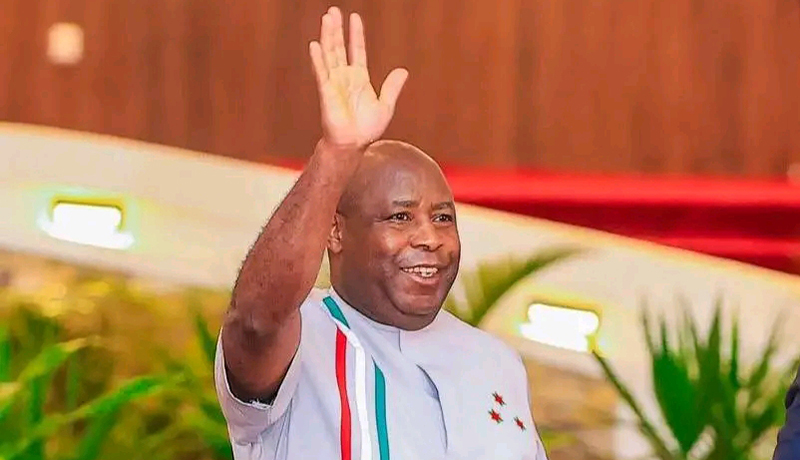
The dialogue with President Evariste Ndayishimiye took place on Friday, May 15, 2026, within the large hall of the Kiriri Presidential Palace. President Ndayishimiye, who is already a candidate for a second seven-year term, presided over the discussions with electoral partners and high-ranking officials. His presence and leadership in these exchanges show the government's direct involvement in addressing electoral concerns, even if the outcomes have not yet satisfied the opposition. During the exchanges, President Ndayishimiye raised three core questions for debate, seeking to frame the discussion around practical solutions and government priorities.
President Ndayishimiye asked, "What can be done to ensure the electoral process occurs without incidents?" This question reflects a desire to prevent the disruptions and conflicts that have sometimes marred past elections, aiming for a smoother and more peaceful electoral environment. He also questioned why complaints about irregularities are consistently made after results are proclaimed, stating, "Why is it that those who lament or complain, arguing that the elections were marred by irregularities, always manage to do so, not during the voting process, but after the proclamation of the results?" He added that this concern "weighs on my mind" and is "shared by a large part of the population," suggesting a widespread public frustration with post-electoral disputes. The President inquired about how to reduce the election budget by half to reallocate funds for development activities, specifically asking, "Is there not a way to cut the budget allocated to elections in half so that half of the amount planned for elections can be used for development activities?" He suggested using funds for initiatives such as providing potable water to communities, linking electoral efficiency directly to national development goals.
To further reduce costs and streamline operations, President Ndayishimiye suggested the possibility of utilizing volunteers for voting operations, noting that these activities typically last only two days. This proposal aims to significantly cut down on personnel costs associated with election management, freeing up resources for other critical sectors. He emphasized the importance of public judgment in the electoral process, saying, "One does not trifle with the country. It is not like a jug of beer where every guest comes to quench his thirst. As candidates are fewer than voters, one must not lose one's head; it is the population that is the judge." This statement shows his belief in the ultimate authority of the electorate and a warning against political overreach or attempts to manipulate the democratic will.
The President also delivered a stern message to political parties, particularly those he perceives as relying on past glories rather than current popular support. He stated, "There are certain parties with a glorious past who still believe they are great, even though they no longer have militants, much less a popular base." This remark was a direct challenge to the opposition to demonstrate their current relevance and popular backing. He asserted that power emanates from the people and must be respected, remarking, "To lead men is not like guiding sheep. He who thinks that the dogma, 'Get out of there so I can get in,' is still valid, must calm down. Power emanates from the people. No one can appropriate it. One must respect and support the one whom this people has elected." This statement reinforces the principle of popular sovereignty and warns against any attempts to seize power outside of democratic means. He concluded by warning that any party that rejects consensus-based solutions would be responsible for the consequences, stating, "Let everyone know that they will not leave with answers to their concerns but with negotiated solutions to all expressed worries. But he who will feel frustrated and slam the door in our face, let him blame himself because the conclusions resulting from consensus without him will be put forward and he will be obliged to respect them." This firm stance indicates that while he is open to dialogue, President Ndayishimiye expects parties to abide by the outcomes of consensual agreements, even if they initially disagree.
Key Figures and Future Outlook
The five opposition parties involved in the dialogue — Uprona, CNL, CDP, Sahwanya-Frodebu, and Codebu — expressed dissatisfaction with the responses they received during discussions with President Evariste Ndayishimiye. Their discontent follows a series of interactions regarding electoral reforms ahead of the 2027 general elections, signaling a persistent deadlock on key issues. The parties maintain that the government's proposals do not go far enough to address their fundamental concerns about fairness and representation within the electoral system.
Previously, these five parties had boycotted a key meeting organized by the Independent National Electoral Commission (Ceni) on May 7, 2026. This boycott showed their ongoing concerns about the electoral body's composition and impartiality, which they argue must be "representative and inclusive." The parties' absence from the Ceni meeting signaled their reluctance to engage with the current electoral framework without significant reforms, emphasizing their belief that the Ceni, in its current form, cannot guarantee free and fair elections. This action demonstrated their resolve to push for substantial changes rather than simply participating in a process they deem flawed.
The current article is being published on May 27, 2026, indicating that these discussions and the opposition's stance are unfolding in real-time as the country approaches its electoral cycle. The timing places the dialogue and the opposition's demands within an immediate context, just weeks before the upcoming 2025 communal, legislative, and hillside elections. These local elections are often seen as a bellwether for national polls, making the current disagreements particularly significant.
The broader electoral preparations commenced earlier, with a Ceni preparatory meeting held on April 22, 2026. This meeting marked an initial step in organizing the upcoming polls, even as the opposition continued to press for fundamental changes to the electoral process and institutions. The ongoing disagreements suggest potential challenges for achieving consensus on electoral mechanisms in Burundi, raising questions about the legitimacy and inclusiveness of the forthcoming elections if a resolution is not found. The continued impasse between the government and the opposition notes the deep divisions that persist in Burundi's political landscape as it gears up for a key period of electoral activity.