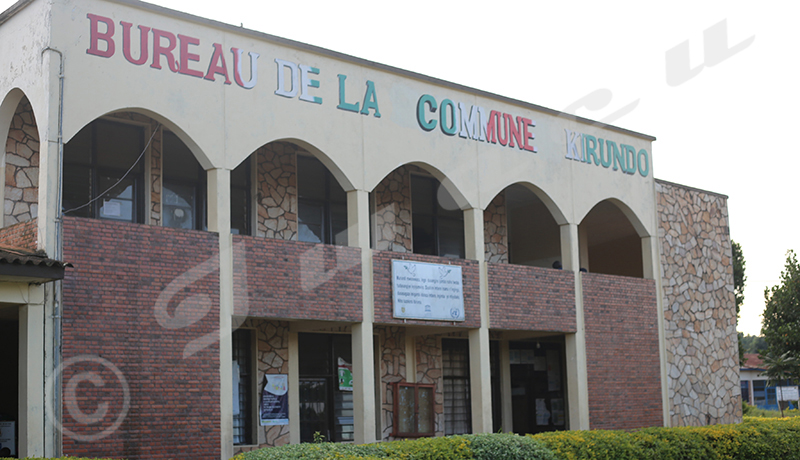
Commune Kirundo, one of the largest entities in the country, is grappling with a severe energy crisis and additional challenges that are profoundly impacting its residents and hindering development. The commune faces one of the most significant electricity cutoffs in the province of Butanyerera, where access to electricity remains a major, persistent concern for residents and businesses alike. Power rarely lasts more than half an hour without interruption, severely disrupting daily life, stifling economic activity, and undermining the provision of essential services. This chronic lack of reliable electricity permeates every aspect of existence within the commune, from household chores to industrial output. In addition to these untimely and unpredictable electricity cuts, the commune also faces considerable difficulties stemming from various climate hazards, which further compound the existing socio-economic pressures. These environmental challenges often manifest as unpredictable weather patterns, including droughts and heavy rains, which can devastate agricultural yields and damage critical infrastructure, intensifying the commune's vulnerability.
Economic Fallout and Unemployment
The economic landscape in Commune Kirundo is particularly bleak, marked by high unemployment rates, especially among its younger population. Many young people in Commune Kirundo, despite possessing innovative project proposals and entrepreneurial spirit, are currently unemployed due to a widespread lack of available funding and investment, according to local observations and community leaders. This scarcity of financial resources prevents promising initiatives from taking root and creating much-needed jobs. The economic situation has been further exacerbated by the closure of the border with neighboring Rwanda. This significant geopolitical development has had direct and detrimental consequences, preventing numerous young individuals from seeking employment opportunities across the border in Rwanda or engaging in vital cross-border trade by transporting goods and commodities.
Historically, the flow of people and goods across the border with Rwanda significantly contributed to the local economy of Commune Kirundo, providing both income and opportunities for its residents. This cross-border interaction was a lifeline for many families. Rwandan patients, for instance, previously constituted a notable source of income for the local health sector, as they would pay 30,000 Rwandan francs per passage to access medical treatment and healthcare services in the area. This practice, which provided a steady stream of revenue for local medical facilities and ancillary businesses, has entirely ceased since the border's closure, representing a substantial and irreplaceable loss of revenue for service providers and the broader local economy. The closure has not only cut off a vital source of income but has also severed established trade routes and informal networks that sustained many households. This disruption has forced many to seek alternative, often less lucrative, means of survival within an already strained local market.
Adding to the social and economic challenges, the unresolved case of Jean Bigirimana casts a long shadow over the community. He has been missing for 3595 days, a period that represents nearly a decade of uncertainty and anguish for his family and the wider commune. His disappearance contributes to a broader sense of instability and insecurity within the community, impacting not only his immediate family but also creating long-term uncertainty and distrust in the commune's ability to ensure the safety of its citizens. This unresolved personal tragedy shows the deeper systemic issues at play. The cumulative effect of these various factors, ranging from widespread unemployment and the loss of critical cross-border economic activity to unresolved personal cases, has profoundly deepened the economic strain on Commune Kirundo's residents. The absence of traditional income streams through cross-border work and trade, coupled with a lack of investment in local youth projects, has left a significant portion of the younger population without viable economic prospects, fostering a sense of hopelessness and contributing to social decay.
Social Decay and Violence
The economic hardships and general instability in Commune Kirundo have regrettably contributed to a concerning rise in social ills, particularly an increase in substance abuse. Alcoholism is increasingly affecting young people in several localities within Commune Kirundo, becoming a widespread problem that fuels a range of social issues and family breakdowns. This problem is particularly pronounced due to the limited economic opportunities available to youth and the overarching energy crisis, which leaves many idle and without constructive outlets. The lack of productive engagement, combined with the stress of economic precarity, often leads individuals to seek solace or escape in alcohol, perpetuating a destructive cycle.
A direct and alarming consequence of this rise in alcohol consumption, particularly among men, has been a significant surge in gender-based violence within households throughout the commune. This increase in domestic abuse is primarily attributed to excessive alcohol consumption by men, leading to heightened aggression, frequent domestic disputes, and physical altercations that often target women. Physical violence against women continues to be reported with distressing regularity in the area, a persistent and deeply troubling concern for local authorities, community leaders, and advocacy groups. These acts of violence not only inflict physical harm but also create an environment of fear and insecurity within homes, undermining the well-being and safety of women and children. The widespread nature of this violence erodes the social fabric of the community and hinders any efforts towards collective progress and stability.
In an effort to address the escalating violence and provide a measure of justice, men found to have physically assaulted their wives are being brought before justice. This measure represents a critical step towards combating the impunity that has historically surrounded domestic violence and aims to deter future incidents by demonstrating that such actions will not go unpunished. The legal actions reflect a concerted effort by local authorities to combat the growing social decay linked to alcohol abuse and its devastating impact on family structures and individual safety in Commune Kirundo. These interventions, while key, also highlight the depth of the problem and the urgent need for full strategies that address both the symptoms and the root causes of violence.
Women's Struggle for Empowerment
Women in Commune Kirundo face significant, multifaceted challenges in their daily lives, often exacerbated by the broader energy crisis and the widespread social issues plaguing the commune. The persistent lack of reliable electricity directly affects their household tasks, making even simple chores like cooking and cleaning arduous, and severely hampers their small-scale economic activities. Many women in the commune rely on informal trade, artisanal production, and craft sales to generate income for their families. These endeavors are critically hindered by frequent and prolonged power outages, impacting their ability to produce goods, operate small businesses, and ultimately generate a stable income. The absence of electricity means reliance on less efficient and more costly alternatives, further eroding their already meager profits.
The surge in gender-based violence, as previously reported, disproportionately impacts women within their homes, making their private spaces unsafe. Alcoholism among men has been explicitly identified as a primary driver of domestic disputes and physical assaults against wives, turning homes into arenas of conflict rather than sanctuaries. This environment of domestic violence creates a widespread sense of insecurity and significantly limits women's autonomy, their ability to participate fully in community life, or to pursue entrepreneurial ventures without fear. The constant threat of violence curtails their freedom of movement, their access to education and healthcare, and their overall mental and physical well-being. While the legal actions against men for physical assault aim to offer some recourse and establish accountability, the underlying social conditions, including economic stress and cultural norms, continue to present formidable obstacles to women's safety, well-being, and empowerment.
Despite these formidable difficulties and the overwhelming pressures they face, women in Commune Kirundo are actively seeking and implementing innovative ways to navigate the challenging circumstances and sustain their families. Many are exploring alternative energy sources for their businesses and households, such as charcoal and firewood, despite the significant environmental implications of deforestation and the increased financial costs associated with these less efficient fuels. Others are organizing informal support networks, forming women's groups and cooperatives to share resources, knowledge, and provide mutual assistance in the absence of consistent public services or formal safety nets. These networks serve as key lifelines, offering both practical help and emotional support. The struggle for empowerment manifests powerfully in these daily efforts, as women strive to sustain their families, maintain a sense of normalcy, and build resilience amid the commune's deepening crises, demonstrating remarkable strength and determination in the face of adversity. Their collective efforts are a testament to their unwavering spirit and their commitment to improving their own lives and those of their children.
Official Response and Future Outlook
In response to the pressing needs of Commune Kirundo, local authorities and development partners are initiating various projects aimed at improving basic infrastructure and services. Projects focused on potable water supply are currently underway in some areas within Commune Kirundo, seeking to provide residents with access to clean and safe drinking water, a fundamental human right that has been inconsistent for many. Additionally, road tracing initiatives are also being implemented, aiming to improve the commune's internal connectivity and facilitate the movement of goods and people, which is key for economic revitalization. These infrastructure developments are designed to address specific, critical needs in the region and lay a foundation for future growth.
However, while these initiatives are positive steps, their scope and pace are often challenged by the magnitude of the commune's problems, including the severe energy crisis, persistent unemployment, and the deeply entrenched social issues. The long-term outlook for Commune Kirundo remains complex, requiring sustained investment, full policy interventions, and community-wide engagement to overcome the intertwined challenges of economic stagnation, social decay, and environmental vulnerability. Addressing the energy crisis, fostering economic opportunities for youth, and tackling gender-based violence are critical to ensuring a more stable and prosperous future for the commune's residents. The effectiveness of these ongoing projects will depend heavily on their ability to integrate with broader strategies that tackle the root causes of the commune's distress, moving beyond symptom management to holistic development.