A shootout in Rukoma, Matana commune, Burunga province, southern Burundi, on the night of April 25, 2026, around 11 PM, resulted in the death of a police officer and the alleged execution of a suspect. The confrontation involved four police officers from the Songa commune post and a group of residents suspected of trafficking fuel. During the violence, a police officer identified by the first name Jean-Marie was disarmed and killed. A resident named Clovis, whom witnesses presented as the one who allegedly snatched the officer's weapon, sustained severe arm injuries in the incident.
Police claimed Clovis was subsequently transferred to a police hospital in Bujumbura. However, several police sources and family members assert that Clovis never reached Bujumbura and was executed shortly after his arrest. Human rights defenders are now calling for authorities to reveal Clovis's whereabouts or what happened to him if he is deceased. Their urgent appeal notes the need for transparency and accountability regarding the suspect’s fate.
Deadly Confrontation in Burunga
The incident in Burunga involved four police officers from the Songa commune post and a group of residents suspected of trafficking fuel. The fuel was reportedly stolen from the Jiji-Murembwe hydroelectric dam construction site. During the operation, police attempted to seize the fuel, which led to an altercation with the smugglers and other residents. This attempt to confiscate the illicit fuel quickly escalated into a violent confrontation, culminating in the death of a police officer and the severe injury of a resident.
The operation itself was allegedly conducted without coordination with the local police post in Matana commune, raising questions about procedural adherence and command structure. Following the initial confrontation, Clovis reportedly sought treatment for his injuries at the Rumeza health center. He was subsequently transferred from Rumeza to Matana hospital, and then proceeded to Kibuye hospital located in Gitega province. The following day, Clovis was reportedly arrested at Kibuye hospital and subsequently brought back to Matana hospital. These movements, confirmed by various sources, trace Clovis's path through medical facilities before his eventual arrest and the subsequent dispute over his whereabouts.
Mass Arrests and Disputed Account
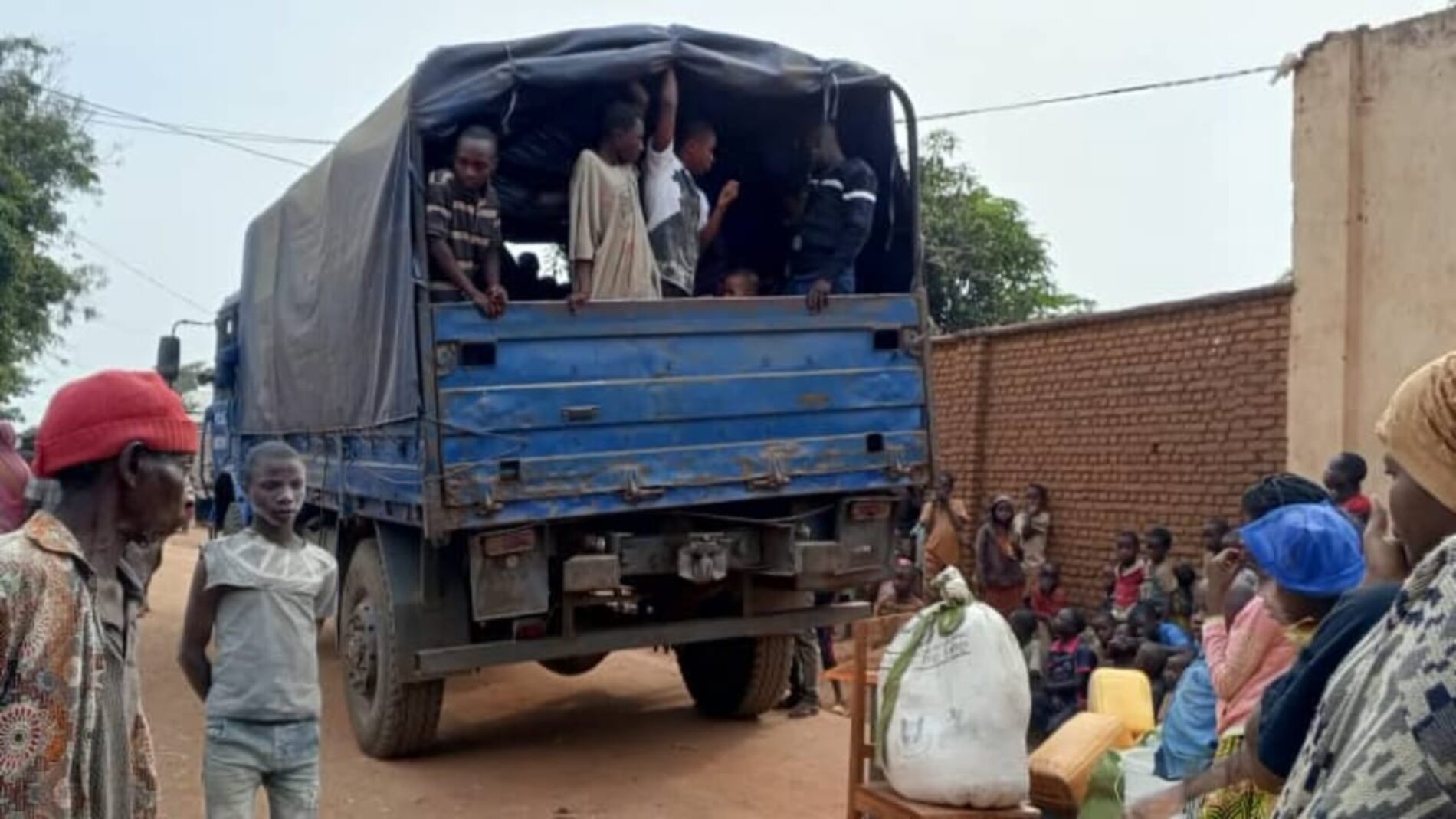
Following the incident, authorities reportedly informed Clovis's family that he had "escaped," an account the family found difficult to believe. This official narrative has been met with skepticism, particularly given the circumstances of his prior arrest and the severity of his injuries. A significant police operation was subsequently conducted in Rukoma, resulting in the mass arrests of residents. Those detained included pregnant women, elderly individuals, and young people from the area. The exact number of arrested individuals remains unknown, adding to the opacity surrounding the post-incident police actions. The broad scope of these arrests suggests a collective punishment approach rather than targeted investigations, which has further fueled concerns among human rights observers.
Amidst the heightened tensions, the provincial police commissioner of Burunga reportedly made a controversial statement during a security meeting. According to sources present at the meeting, the commissioner expressed frustration that police had not "at least killed four civilians" to avenge their fallen colleague. This comment has drawn concern from human rights groups monitoring the situation, as it appears to advocate for extrajudicial killings and contradicts the principles of justice and due process. The arrests and the commissioner's alleged remarks contribute to the disputed nature of the official narrative surrounding Clovis's fate and the events that unfolded in Rukoma. This alleged statement, if true, would represent a serious breach of ethical conduct for a law enforcement official.
Human Rights Call for Justice
Human rights advocates have emphasized that Burundi has abolished the death penalty. They assert that all individuals suspected of crimes must be brought before the justice system. The calls come amid allegations surrounding the fate of Clovis, who police claim escaped after his arrest following a deadly shootout. Several police sources and family members, however, maintain that Clovis was executed shortly after his apprehension. The human rights community is urging authorities to provide clarity on Clovis's whereabouts or confirm what transpired if he is deceased, reiterating the importance of due process and accountability in all policing operations. This stance shows the legal framework in Burundi, which requires suspects to be tried according to law, regardless of the severity of the alleged offense. The principle that individuals suspected of crimes should be brought to justice through legal channels is a fundamental tenet of a functioning legal system, and any deviation from this raises serious human rights concerns.