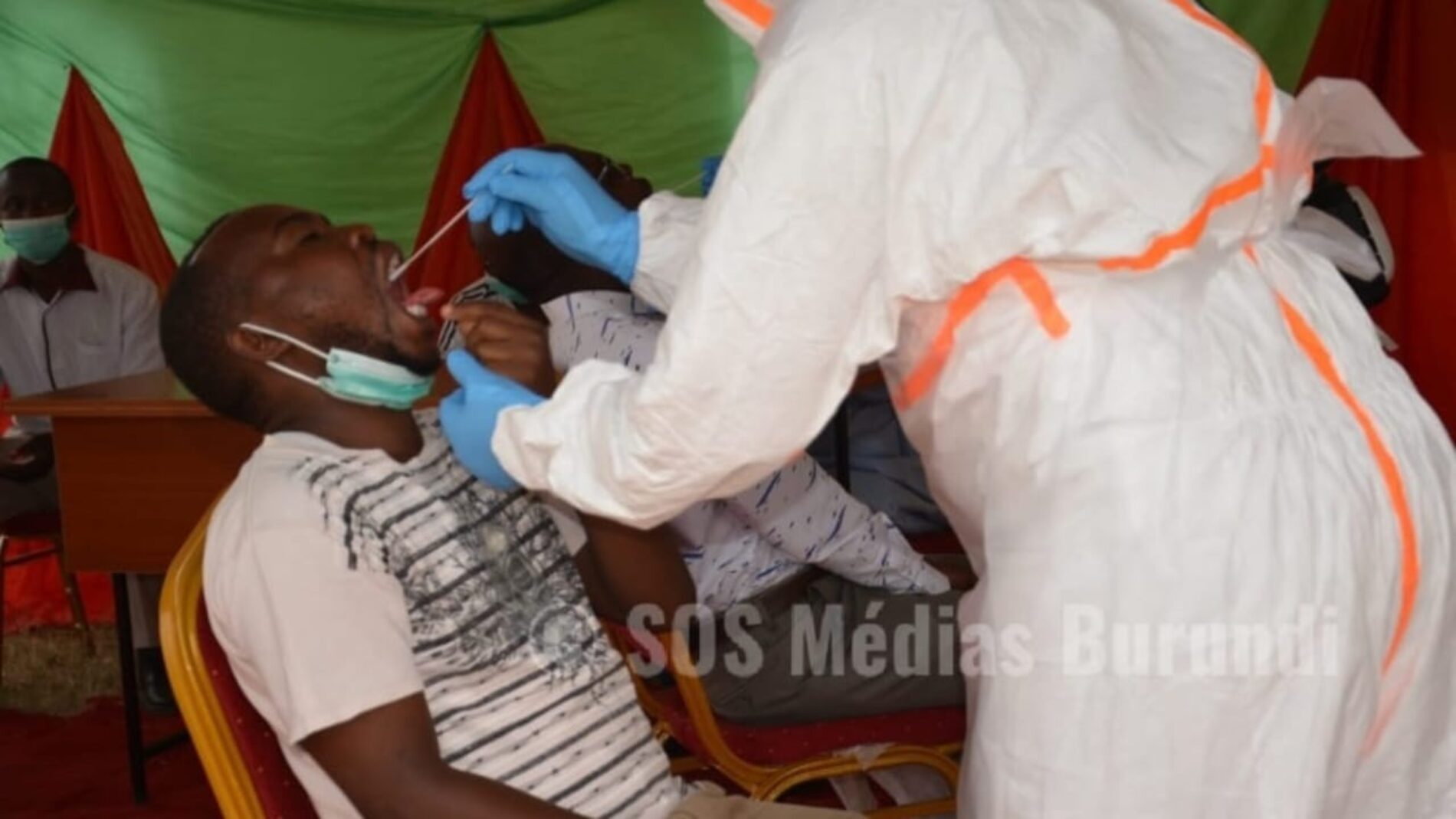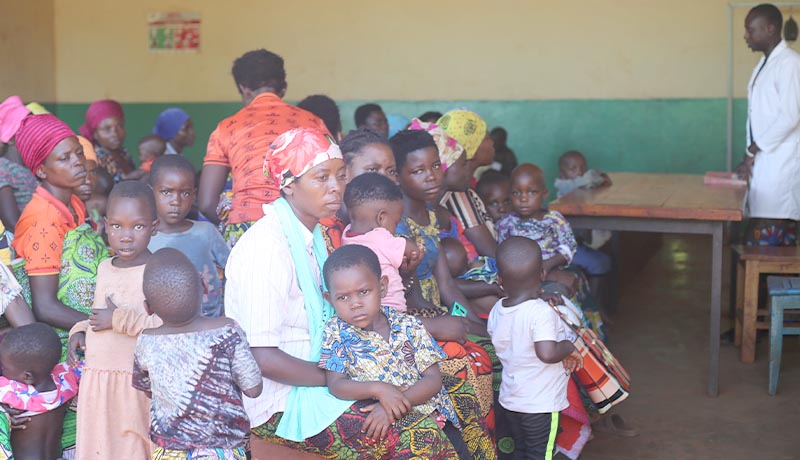
Burundi's Cibitoke health district, historically one of the nation's most malaria-affected regions, recorded approximately 4,000 malaria patients per month in 2025. This high caseload showed the significant health challenge posed by the disease in the district, particularly impacting vulnerable populations. The Cibitoke health district is indeed recognized as one of the most affected regions in Burundi by malaria, making it a critical area for targeted health interventions. The region's persistent malaria burden, which contributes substantially to morbidity and mortality, prompted the urgent implementation of an innovative "triple protection" strategy to combat the disease and alleviate the strain on local healthcare systems.
The Triple Protection Strategy Explained
The innovative triple protection strategy integrates three distinct, evidence-based interventions to combat malaria comprehensively. This multi-pronged approach involves administering four doses of the RTS antimalarial vaccine to children between 6 and 18 months of age, providing key early immunity. Concurrently, an impregnated mosquito net is distributed to families during the child's first vaccination appointment, offering a vital physical barrier against mosquito bites and reducing transmission within households. The strategy is further bolstered by the administration of Sulfadoxine-pyrimethamine tablets, referred to as "Chimioprophylaxie pérenne" (CPP), for children aged 9 to 24 months. This chemoprophylaxis provides intermittent preventive treatment, significantly reducing the risk of malaria infection and severe disease during periods of high transmission. Médecins Sans Frontières (MSF) supports twenty health centers across the Cibitoke and Ndava districts where this full approach is being implemented, ensuring broad coverage and access to these life-saving interventions.
Context of Malaria in Burundi
Malaria remains the leading cause of hospitalization and mortality among young children and pregnant women in Burundi, representing a critical public health emergency. The disease continues to pose a significant public health challenge in the country, placing immense pressure on healthcare infrastructure and human resources. Annually, the global community observes International Malaria Day on May 5th to raise awareness and support efforts to combat the disease, noting the ongoing global commitment to its eradication.
The burden of malaria in Burundi is substantial and alarming. According to the World Health Organization (WHO), over 1,800 malaria-related deaths were recorded in Burundi in 2022. A majority of these fatalities affected children under 5 years old, showing the disproportionate impact of the disease on the youngest and most vulnerable members of the population. These sobering figures show the critical need for effective intervention strategies to reduce the impact of malaria, particularly on vulnerable populations within the nation. The ongoing efforts in regions like Cibitoke aim to mitigate this persistent health crisis by implementing proactive and integrated prevention measures.
Impact and Personal Stories
Médecins Sans Frontières (MSF), in partnership with the Ministry of Public Health, initiated an innovative triple protection approach for over 17,900 children across the Cibitoke and Ndava health districts in 2025. This full strategy aimed to significantly reduce malaria incidence in these vulnerable populations, offering a beacon of hope in areas historically ravaged by the disease. Following the implementation of these strong measures, the number of malaria patients in Cibitoke has dramatically decreased to nearly 1,500 per month from the previous 4,000. This substantial reduction indicates a notable and positive shift from previous caseloads in the region, demonstrating the effectiveness of the integrated approach. The Cibitoke and Ndava health districts marked Malaria Day on May 13, 2026, under the national theme: "Kurandurana n’imizi indwara ya malaria, ubu birashoboka, tuyihagurukire!" (Eradicating malaria, now it's possible, let's stand up for it!). The celebration showed local commitment to sustained efforts against the disease and acknowledged the tangible progress made through the integrated protection strategy, inspiring further action.
Looking Ahead
The remarkable success observed in Cibitoke has led Médecins Sans Frontières (MSF) and the Ministry of Public Health to actively consider expanding the "triple protection" strategy to other regions within Burundi. This potential expansion aims to replicate the positive outcomes observed in Cibitoke, where malaria cases have significantly declined, thereby extending these life-saving benefits to more communities. The strategy's integrated approach, combining vaccination, net distribution, and chemoprophylaxis, offers a proven and effective model for sustained malaria control and prevention. Discussions are currently underway to evaluate the feasibility and logistical requirements of implementing similar programs in other high-burden districts, building on the invaluable lessons learned from the pilot initiatives in Cibitoke and Ndava. The long-term goal is to further reduce the national incidence of malaria, particularly among vulnerable populations like young children, and move closer to the ultimate objective of malaria eradication. Continued rigorous monitoring and evaluation will be critical to ensuring the ongoing effectiveness and adaptability of any expanded initiatives across the country.