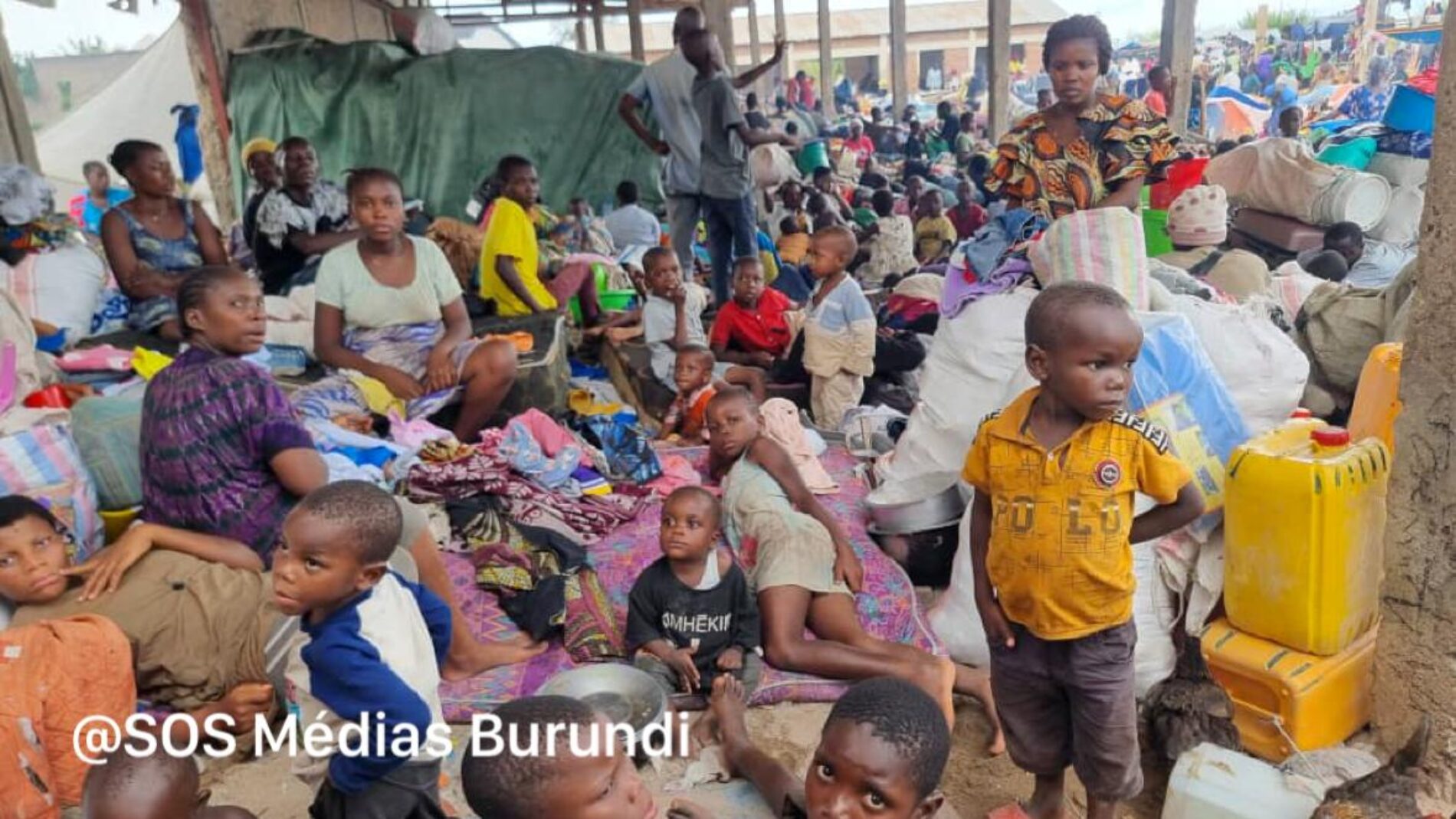
Congolese refugee families in the Kavumu refugee camp, situated in Cankuzo commune, Buhumuza province, eastern Burundi, are reporting that administrative delays are depriving their infants of humanitarian assistance. These delays reportedly last for months after the children's birth. Several Congolese refugee families in the Kavumu refugee camp, located in Cankuzo commune, Buhumuza province, eastern Burundi, specifically denounce these administrative delays, which they state deprive infants of humanitarian assistance for extended periods after their birth. Families state that the bureaucratic process prevents new babies from accessing key aid during their most vulnerable period.
Bureaucratic Hurdles Block Aid
The delays in humanitarian aid are attributed to the slow issuance of birth certificate extracts by the communal civil status service. This document is a mandatory prerequisite for refugee families to officially register their newborns with the National Office for the Protection of Refugees and Stateless Persons (ONPRA) and the United Nations High Commissioner for Refugees (HCR). The delays are specifically attributed to the slowness in issuing birth certificate extracts by the communal civil status service, a necessary step before official registration with the National Office for the Protection of Refugees and Stateless Persons (ONPRA) and the United Nations High Commissioner for Refugees (HCR). Without these extracts, infants cannot be added to the official refugee rosters, preventing them from receiving essential aid provisions. This bureaucratic step creates a significant bottleneck, leaving some of the most vulnerable individuals in the Kavumu camp without necessary support for extended periods after birth. The process requires coordination between local administrative bodies and international aid organizations, which families report is not occurring efficiently, leading to prolonged waits for critical documentation.
Camp Population and Origin
The Kavumu camp currently hosts nearly 20,000 Congolese refugees, according to data published in February 2026 by the HCR. These individuals fled persistent insecurity in eastern the Democratic Republic of Congo. According to data published in February 2026 by the HCR, Kavumu camp hosts nearly 20,000 Congolese refugees who fled persistent insecurity in eastern the Democratic Republic of Congo. The camp, located in Cankuzo commune, Buhumuza province, eastern Burundi, has been a primary destination for those escaping the unrest and seeking refuge from ongoing conflict in their home country. The substantial population shows the critical need for efficient administrative processes to ensure all residents, especially newborns, receive timely support.
Refugee Voices and Wider Issues
Several parents in the Kavumu camp report that administrative procedures for newborns often take months. In Kavumu camp, several parents state that these procedures take months, causing significant distress and hardship for families. These delays reportedly prevent infants from being officially registered and receiving humanitarian assistance. Beyond issues concerning newborns, some residents of the camp also report administrative delays in procedures related to deaths. Refugee complaints are not limited to newborns; some camp residents also denounce administrative delays in procedures related to deaths, noting broader systemic challenges. These broader complaints highlight systemic challenges within the camp's administrative processes, affecting various critical life events for the refugee population, from birth to death. The consistency of these reports points to a persistent problem in the coordination and execution of vital administrative tasks.
Impact on Vulnerable Children
Families in the Kavumu refugee camp report waiting more than nine months before their children can be registered and begin receiving humanitarian assistance. Some explain waiting more than nine months before their children can be registered and start receiving humanitarian assistance. This delay means infants spend their initial months without key support, which includes access to proper nutrition and medical care provided through humanitarian programs. The extended period without registration exacerbates the vulnerability of newborns, affecting their health and development during a critical stage of life. This administrative backlog directly impacts the youngest and most fragile members of the refugee community in Cankuzo commune, Buhumuza province, potentially leading to severe health consequences and increased mortality rates among infants. The lack of timely intervention during these formative months can have long-lasting detrimental effects on their well-being and future.