Burundi's budget deficit has been exacerbated by tax exemptions granted in the 2024-2025 fiscal budgets. These exemptions, particularly those extended to the government, are estimated to cost 12 billion FBu annually, according to financial assessments. The fiscal policies have drawn scrutiny as the nation grapples with widening financial gaps, contributing significantly to the nation's budgetary shortfall. The substantial fiscal advantages allocated across various sectors have placed considerable strain on the national treasury, prompting calls for increased oversight and accountability.
Massive Tax Breaks Revealed
Initially estimated at 110 billion Burundian francs (FBu), tax benefits granted by the government ultimately reached 225 billion FBu. This significant increase from the initial projection notes the expansive nature of these exemptions. The construction project for the Musongati–Uvinza railway alone reportedly received 72 billion FBu in exemptions, showing the scale of relief provided to major infrastructure initiatives. Within the broader framework of tax breaks, the intra-agricultural sector led all categories, benefiting from 53 billion FBu out of a total of 253 billion FBu identified. This substantial allocation to the agricultural sector reflects its perceived importance to the national economy. Following closely, the investment sector secured 52 billion FBu in exemptions, indicating efforts to stimulate economic growth through capital projects. Additionally, the pharmaceutical sector received 14 billion FBu in tax benefits, aimed at supporting healthcare-related industries. These figures highlight the significant scale of tax exemptions across various sectors of the Burundian economy, collectively impacting the nation's revenue collection capabilities. The disparity between initial estimates and final figures has fueled concerns regarding fiscal planning and control.
Concerns Over Misuse of Funds
An official working on a project funded by state partners, speaking anonymously, alleged that some officials demand financial contributions from tax-exempt projects for the organization of administrative and ceremonial activities. These practices, according to the official, resemble a form of indirect mismanagement or corruption. The source stated that such demands divert funds intended for project execution, potentially impacting their overall effectiveness and the transparent use of resources. This situation raises questions about accountability within the framework of projects receiving tax exemptions, suggesting a potential undermining of the intended benefits of these fiscal policies. The anonymous official's claims point to a systemic issue that could compromise the integrity of public funds and development initiatives.
Minister Calls for Control
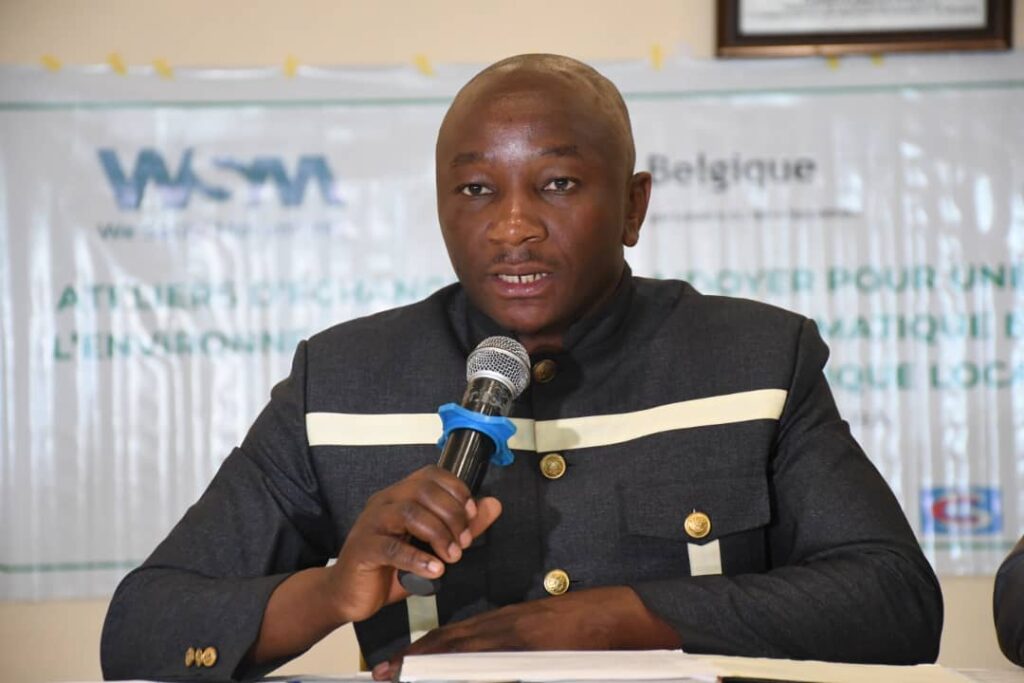
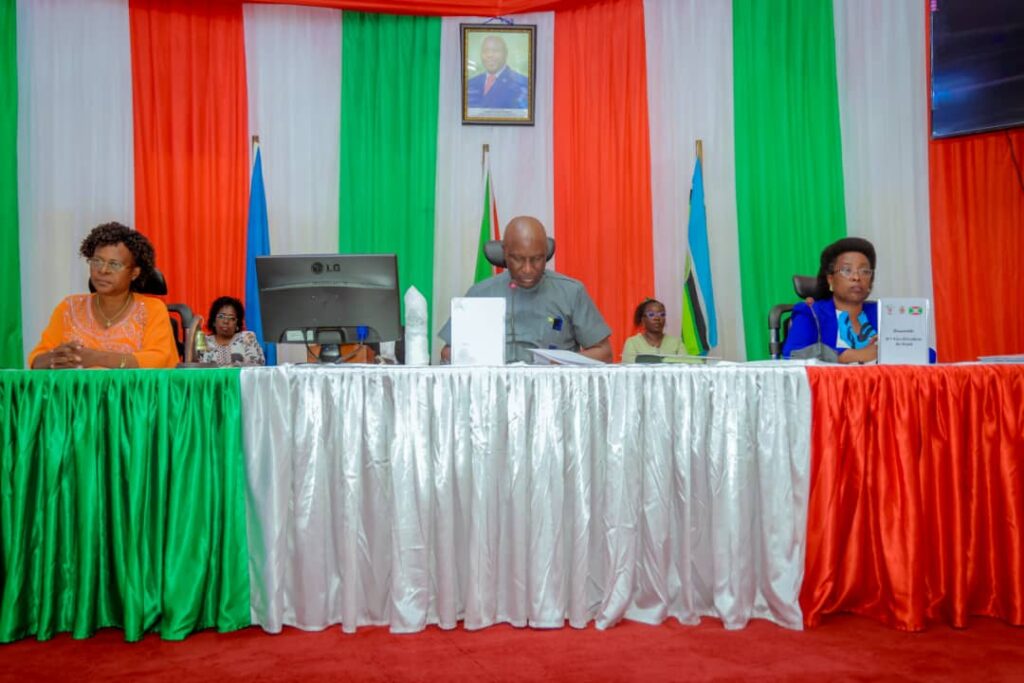
Alain Ndikumana, the Minister of Finance and Digital Economy, presented these revelations to deputies at the National Assembly. Ndikumana's statements detailed the extent of tax exemptions and their impact on the national budget. Non-governmental organizations (NGOs) collectively received approximately 8 billion FBu in tax benefits, a figure that also contributes to the overall fiscal burden. The minister's address showed the need for greater oversight regarding these exemptions, emphasizing the importance of prudent financial management. His presentation to the legislative body aimed to inform lawmakers about the fiscal implications of various tax relief measures, urging for a more rigorous approach to granting such advantages. These discussions are part of ongoing efforts to manage the country's financial landscape and address widening budgetary deficits, which have become a pressing concern for the government. The minister's intervention notes official recognition of the challenges posed by the current exemption system and the necessity for reforms to ensure fiscal sustainability.