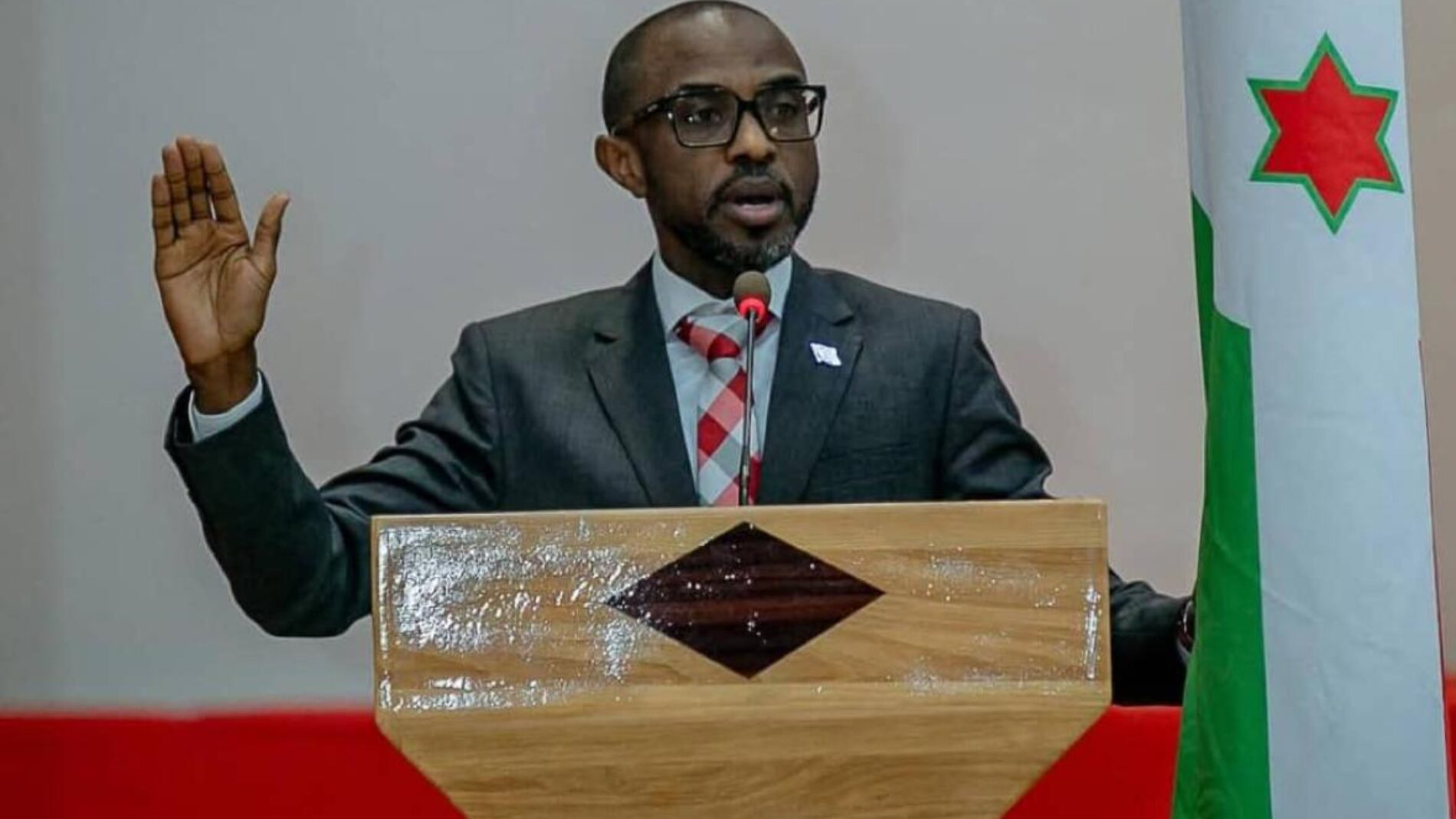
Burundi's Head of State expressed anger towards officials from OBUHA (l’Office burundais de l’urbanisme) during a visit to the Centre naisseur de lapins de Karusi (Karusi rabbit breeding center) construction site on May 18, 2026. This incident notes a recurring issue in Burundi, where many public projects face significant challenges. These challenges include excessive delays, prolonged interruptions, budget overruns, or outright abandonment. Some projects are ultimately abandoned, contributing to the broader concern regarding governance failures in the country. The Head of State's direct confrontation shows the frustrations associated with these unfinished initiatives, signaling a growing impatience with the widespread stagnation of key development efforts.
Widespread Project Stagnation
Abandoned construction sites across Burundi include administrative buildings, roads, schools, and hospitals, with work on these projects reportedly blocked for several years. The widespread stagnation of these initiatives notes significant delays in public infrastructure development. The sight of these dormant projects, some left untouched for extended periods, has become a stark reminder of unfulfilled promises and wasted resources.
Many of these unfinished construction sites represent hospitals that cannot treat patients, schools that are unable to open, and roads rendered impassable. Such incomplete projects also lead to non-existent public services in areas where they were intended to operate, symbolizing a broader suspension of development efforts across the country. The presence of these structural shells, devoid of their intended function, points to a systemic failure in delivering essential services and infrastructure to the population. This widespread issue affects various key sectors, from healthcare to education and transportation, directly impeding the nation's progress and the well-being of its citizens.
Root Causes of Abandonment
Analysts attribute the abandonment of public projects in Burundi to several factors, including poor planning, governance failures, and chronic budget instability. Favoritism, corruption in public procurement, and the awarding of contracts to unqualified companies are cited as specific governance issues that significantly undermine project integrity and success. These practices often lead to substandard work, inflated costs, and eventual project failure. Politically motivated projects, initiated without sufficient feasibility studies or genuine public need, are also listed among the causes for incomplete initiatives, often lacking the sustained support or funding required for completion.
Impunity is considered a primary driver for project abandonment. The absence of serious investigations, administrative sanctions, legal proceedings, or requirements for reimbursement is reported to normalize poor practices within the system. This lack of accountability creates an environment where mismanagement and corruption can thrive without meaningful consequences, further perpetuating the cycle of unfinished projects and financial losses. Without strong mechanisms to hold individuals and entities responsible, the incentive for proper project execution remains low.
The Office Burundais de l'Urbanisme (OBUHA) faces criticism for its problematic accumulation of functions. OBUHA is responsible for designing projects, executing the work, and performing technical control, a structure that analysts suggest contributes to the issues. This concentration of power and responsibility within a single entity can lead to a lack of independent oversight, making it easier for deficiencies to go unnoticed or unaddressed. The absence of checks and balances within this framework is seen as a significant vulnerability, contributing to the systemic problems observed in public works.
Calls for Accountability
At the Centre naisseur de lapins de Karusi, no buildings have been completed despite approximately four billion francs having been disbursed for the project. This significant financial outlay without any tangible result shows the severity of the problem and the urgent need for reform. The lack of tangible progress on this and other public works has intensified calls for greater oversight and transparency. Observers suggest that an independent control system is necessary to prevent the masking of failures within project management and execution. Such a system would aim to ensure transparency and accountability in the allocation and utilization of public funds. The absence of external scrutiny is frequently cited as a contributing factor to the ongoing issues of project stagnation and abandonment across Burundi, noting a systemic vulnerability in the country's development initiatives and eroding public trust. This independent oversight is key for identifying inefficiencies, preventing corruption, and ensuring that public money is used effectively for its intended purpose.
Broader Development Impact
A week prior, Burundi's Minister of Finance stated that the nation "risks becoming the country of unfinished construction sites." This sentiment shows a broader concern that a country's development is measured by completed, functional, and useful infrastructure, rather than merely by launched construction initiatives. The prevalence of stalled projects therefore impedes tangible progress, hindering economic growth and the improvement of living standards for Burundian citizens. These incomplete ventures represent not just financial losses but also missed opportunities for societal advancement, reflecting a critical challenge that demands immediate and full solutions to ensure that future projects contribute meaningfully to the nation's development goals.