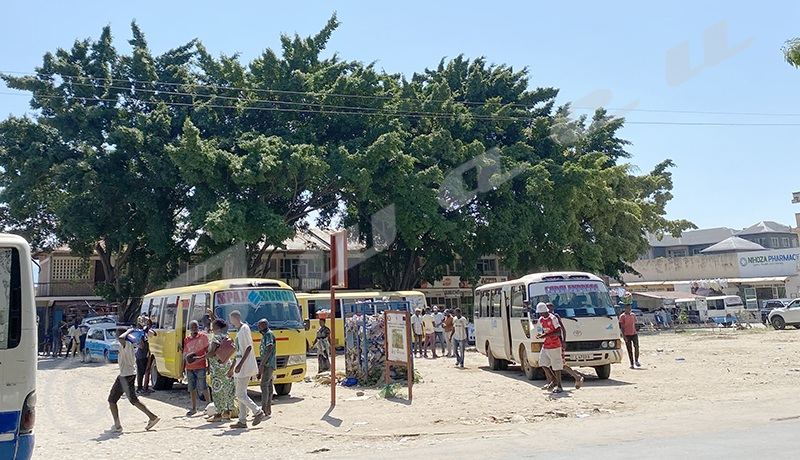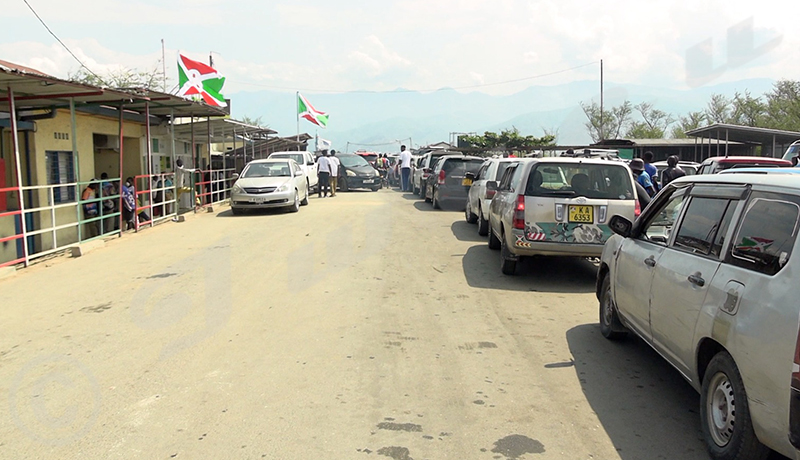
Circulation at the Burundian-Congolese border, specifically at Gatumba-Kavimvira northwest of Bujumbura, continues normally despite an Ebola alert. This ongoing activity follows the declaration of one Ebola case in Goma as of May 15, 2026. The situation notes continued movement between Burundi and the République démocratique du Congo, even after the confirmed case across the border. This sustained cross-border movement, particularly at the Gatumba-Kavimvira crossing, shows the challenges in implementing health protocols in a region with significant daily interaction. The normalcy of circulation persists even as health authorities raise alarms about the potential for disease transmission.
Ebola Threat From DRC
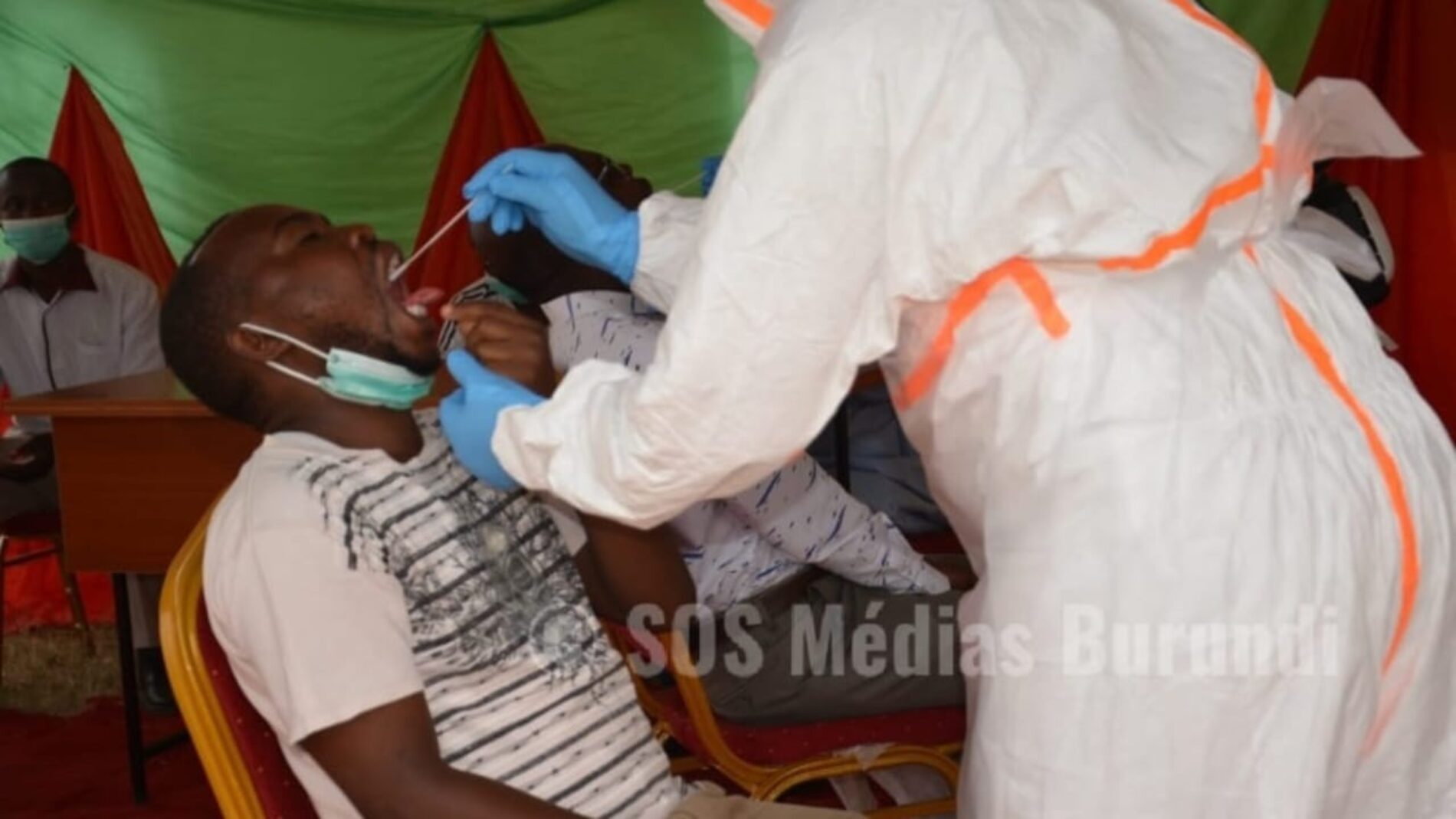
The Burundian Ministry of Public Health has alerted the population to a new Ebola virus disease outbreak already declared in the northeast of the Democratic Republic of Congo. This declaration by the DRC's health authorities prompted immediate concern in neighboring Burundi. Confirmed cases are reported in the Ituri provinces, affecting several health zones in the DRC's northeast. The proximity of these affected zones to Burundi has amplified the need for heightened vigilance and preparedness measures. The Ministry's alert detailed the clinical presentation of the disease, informing the public on what symptoms to look for. The disease manifests with initial symptoms including fever, headaches, fatigue, muscle pain, and a sore throat. These are often followed by vomiting, diarrhea, and sometimes hemorrhagic syndrome, such as bleeding gums and blood in the stool. Recognizing these symptoms early is key for effective containment and treatment.
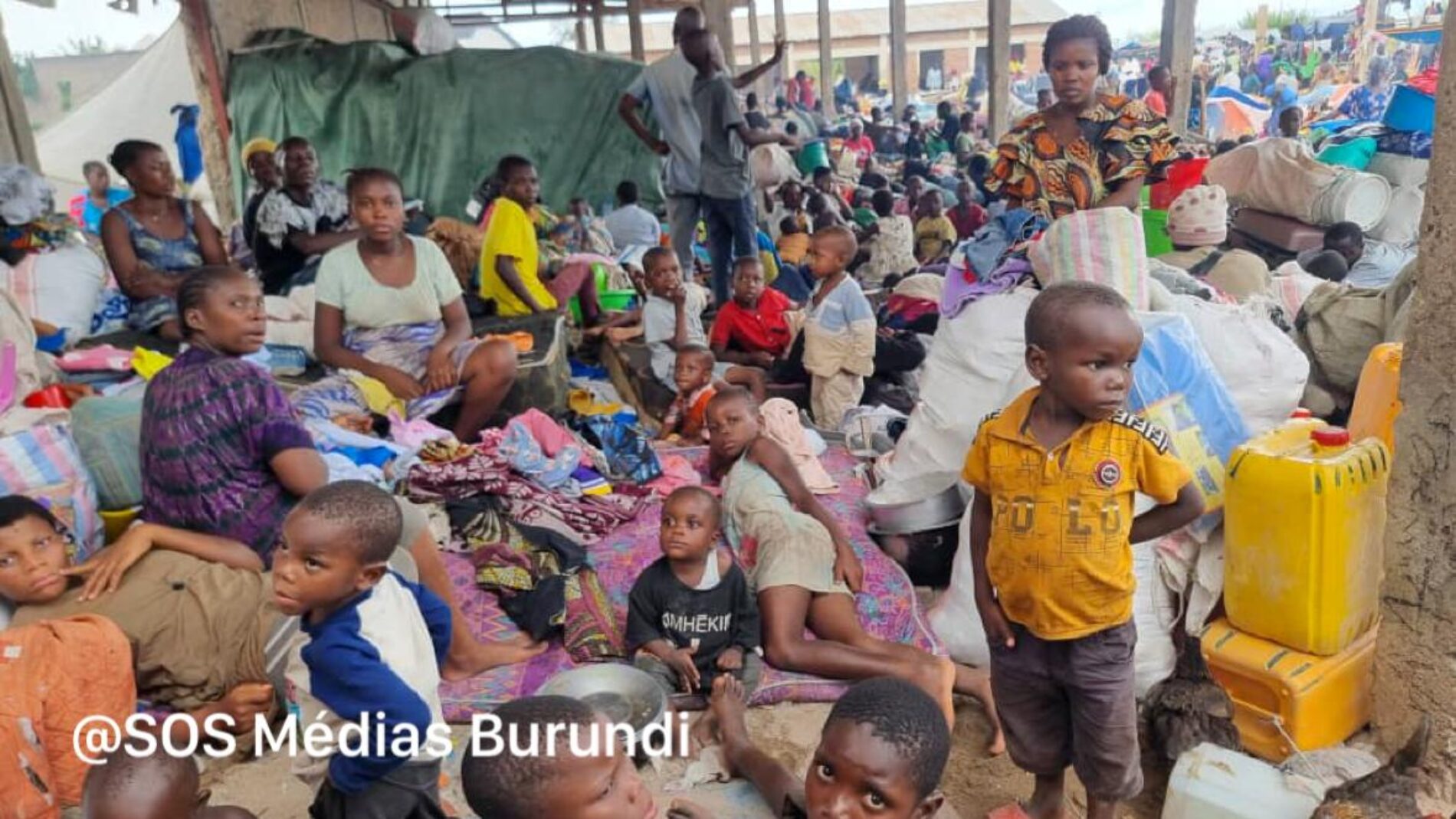
The Ministry of Public Health stated, "The situation is particularly worrying for the sub-region because the affected zones are less than 400 km from Burundi, with regular mobility flows between the two countries, notably via the Bujumbura-Goma axes by air and land." The ministry emphasized the importance of public involvement in controlling the outbreak, adding, "Community participation remains essential to curb outbreaks." This call for community engagement notes the understanding that public cooperation is a critical component in preventing the spread of the virus.
Border Crossings Continue
Commercial traffic continues to operate as usual at the Gatumba-Kavimvira border crossing, despite the recent Ebola alert. This uninterrupted flow includes motorists traversing the border to procure fuel in Uvira, République démocratique du Congo. The movement is driven by a persistent fuel shortage on the Burundian side, prompting individuals to seek supplies across the border. This daily economic activity, while vital for local livelihoods, presents a challenge for health security. The continuous back-and-forth movement of people and goods between the two countries necessitates strong health screening and awareness campaigns at all points of entry. The normalcy of commercial operations, even with the health alert, reflects the complex interplay of economic necessity and public health concerns in the region.
Risk and Preparedness
As of May 19, 2026, health agents in Burundi have not reported any suspect cases of Ebola virus disease. However, the potential for introduction remains high. The affected zones in the Democratic Republic of Congo are situated less than 400 km from Burundi, leading to significant concern. Regular mobility flows between Burundi and the DRC, particularly via the Bujumbura-Goma axes by air and land, facilitate this proximity. Given its geographical closeness to affected areas, existing cross-border mobility, and prior experiences with epidemics, Burundi is considered a high-risk country for the introduction of the Ebola virus disease. This assessment shows the ongoing vigilance required despite the absence of reported cases within Burundi's borders. Health authorities are closely monitoring the situation and are prepared to respond should any suspect cases emerge.
Community Role Emphasized
Despite the presence of health agents at the Gatumba-Kavimvira border, few individuals are observed wearing masks or utilizing the available handwashing facilities. This low adherence to basic hygiene protocols at a critical entry point poses an additional risk. A team of health agents, equipped with infrared frontal thermometers, is present at the Gatumba-Kavimvira border to take passengers' temperatures as they cross. This screening measure is a primary defense against the introduction of the virus. However, the effectiveness of such measures relies heavily on public cooperation and consistent application of preventative practices. The Ministry of Public Health's emphasis on community participation is particularly pertinent in this context, as individual actions significantly impact collective health outcomes.