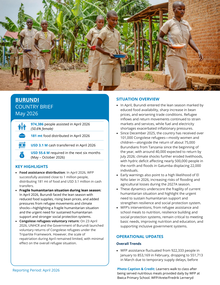
The World Food Programme (WFP) assisted nearly one million people across Burundi in April 2026, providing critical humanitarian support as the country navigates a lean season. Specifically, the WFP assisted close to 1 million people across various regions of Burundi. During the same month, the WFP distributed USD 3.1 million in cash transfers within Burundi. This substantial financial assistance was a key component of the humanitarian response. The assistance aims to address widespread food insecurity and other pressing humanitarian challenges impacting vulnerable populations throughout the country. These efforts are key in mitigating the severe impacts of seasonal hardships and displacement.
WFP Relief Efforts
The World Food Programme (WFP) distributed 181 metric tons of food within Burundi during April 2026. This significant amount of food aid was strategically allocated to areas most affected by food shortages. This food aid supplemented cash transfers provided by the organization, aiming to support vulnerable populations during a period of significant humanitarian strain. The combined approach of food distribution and cash transfers is designed to offer flexible and immediate relief, allowing beneficiaries to address their most urgent needs, whether it be purchasing food or other essential items. The WFP's efforts are part of a broader strategy to address food insecurity across the country, working to build resilience and provide a safety net for those most at risk. This full support is vital for communities struggling with limited resources.
Lean Season Challenges
Burundi experienced the lean season in April 2026, a period characterized by reduced food supplies across the country. During this time, the availability of staple foods was notably lower, contributing to heightened food insecurity for many households. The lean season typically precedes the main harvest, leading to depleted household food stocks and increased reliance on markets. Concurrently, prices for essential commodities, particularly beans, were observed to be rising throughout Burundi. This increase in bean prices, a key protein source in the Burundian diet, further exacerbated the challenges faced by vulnerable populations already contending with limited food access and diminished stocks during the lean season. The combination of reduced supplies and escalating costs placed additional strain on household budgets and food security, making it increasingly difficult for families to afford nutritious meals. This period of scarcity notes the critical need for sustained humanitarian intervention.
Refugee Movements and Returns
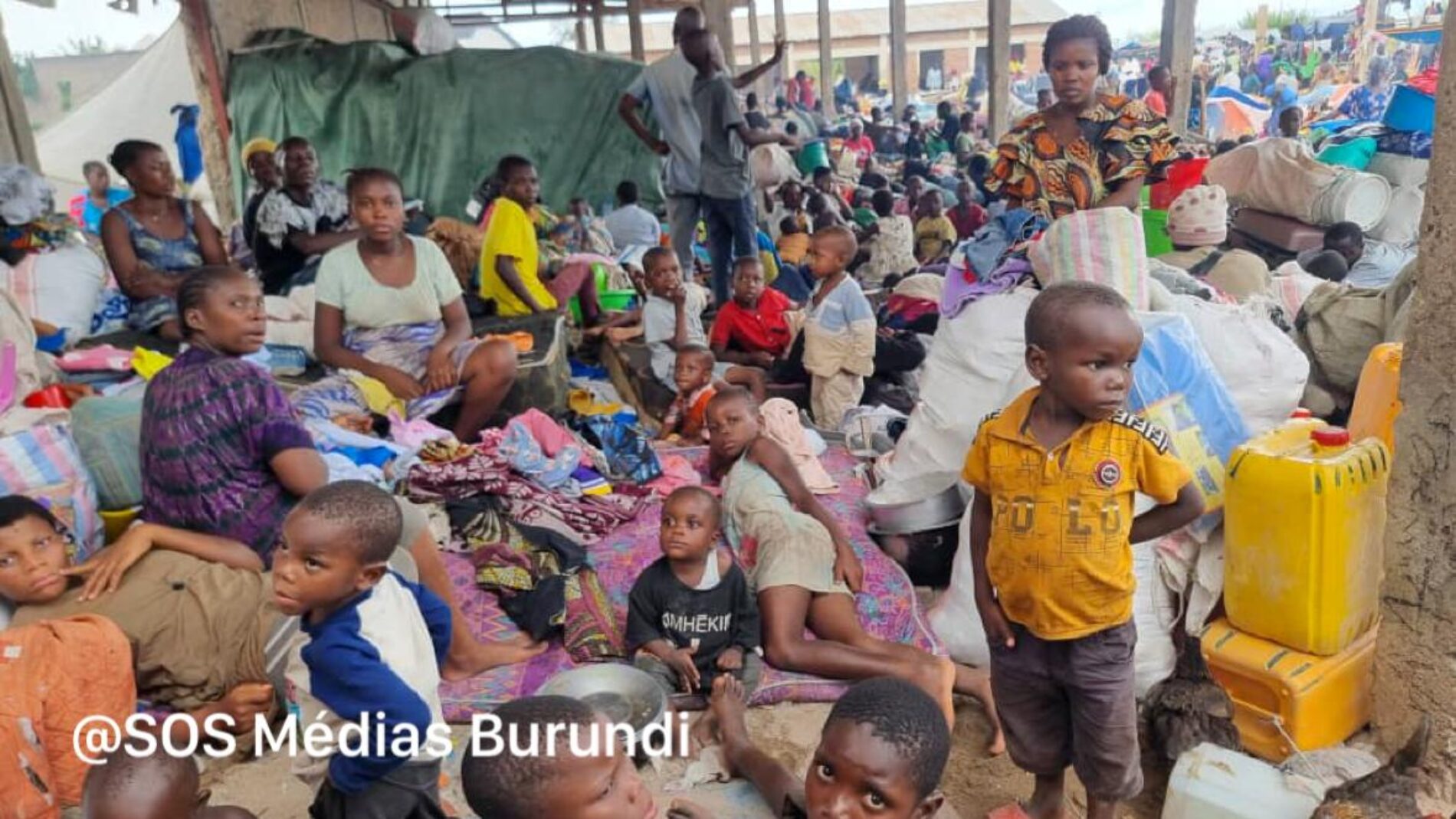
Burundi faced additional pressures from refugee movements in April 2026. The country continued to host a significant refugee population, primarily from the Democratic Republic of Congo. On April 23, 2026, UNHCR and the Government of Burundi initiated the voluntary return of Congolese refugees under the Tripartite Framework. This framework outlines the collaborative efforts between the host country, the country of origin, and international organizations to facilitate safe and dignified repatriation. However, the scale of repatriation for Congolese refugees during April 2026 remained limited, with only a small number of individuals able to return home. The repatriation efforts in April 2026 had a minimal effect on the overall refugee situation in the country, indicating that a large population of Congolese refugees continued to reside in Burundi, requiring ongoing humanitarian assistance and support. The presence of these refugees adds to the overall humanitarian burden.
Broader Humanitarian Context
In April 2026, Burundi faced added pressures from climate shocks, contributing to the country's humanitarian strain. These climate-related challenges, which can include unpredictable rainfall patterns, droughts, or floods, compounded existing issues during the lean season, affecting vulnerable populations across various regions. Such environmental stressors often damage crops, disrupt livelihoods, and displace communities, further exacerbating food insecurity and other humanitarian needs. The impact of these shocks further exacerbated food insecurity and other humanitarian needs, making it more challenging for communities to recover and sustain themselves. The convergence of the lean season, rising food prices, refugee movements, and climate shocks created a complex and challenging humanitarian landscape in Burundi during this period.