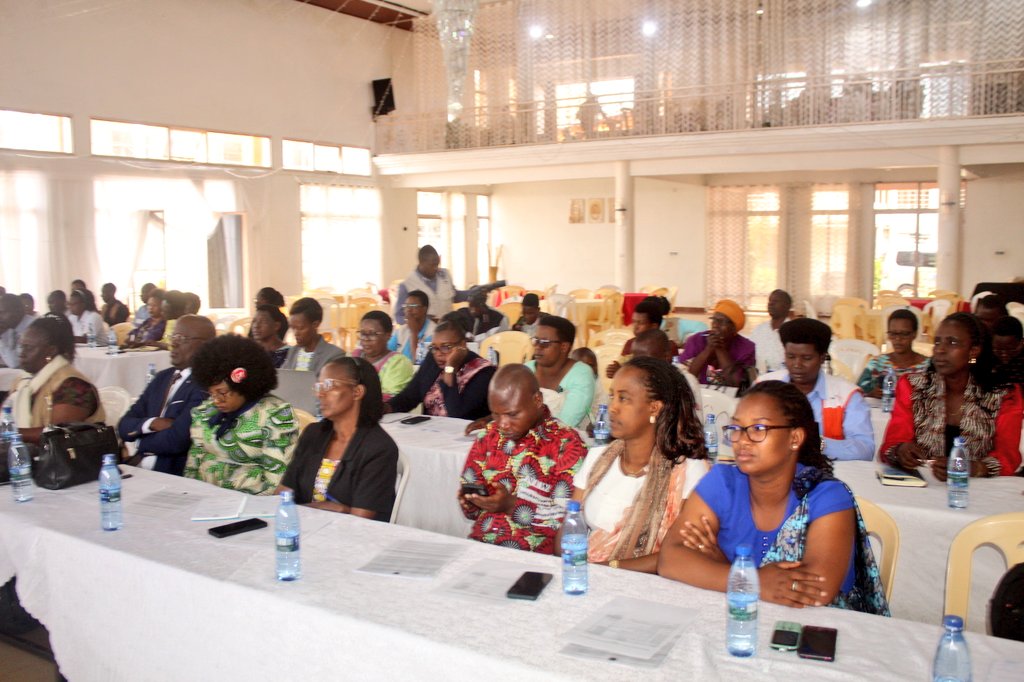
Burundi convened a meeting in Butanyerera to assess the implementation of UN Security Council Resolution 1325, focusing on women, peace, and security. The gathering served as a key platform to evaluate the nation's progress and identify areas requiring further attention in upholding the principles of the landmark resolution. Persistent challenges in the country include the prevalence of gender-based violence (GBVs), existing structural inequalities that hinder women's advancement, and limited women's involvement in specific decision-making roles across various sectors. These issues show the ongoing need for concerted efforts to achieve the resolution's objectives.
Understanding Resolution 1325
United Nations Security Council Resolution 1325 was adopted to address significant issues regarding armed conflicts and the roles of women, who were heavily affected by such conflicts. The resolution notably aimed to correct major exclusions and injustices observed during peace negotiations, decision-making processes, and within peace institutions. It sought to ensure that women's experiences and perspectives were integrated into peace and security efforts globally, recognizing their vital role not merely as victims, but as active agents of peace. Adopted unanimously in October 2000, Resolution 1325 was a new moment, being the first Security Council resolution to specifically address the disproportionate impact of armed conflict on women and girls, and to acknowledge women's critical contributions to peacebuilding. Its core pillars include participation, protection, prevention, relief, and recovery, guiding nations in their efforts to implement its mandates.
Progress and Persistent Challenges
Burundi has made strides in implementing UN Resolution 1325, particularly through strengthening the legal framework for women's rights. These advancements include legislative reforms aimed at enhancing gender equality and protecting women from violence. Efforts have also focused on enhancing care for victims of gender-based violence (GBVs) and integrating women into community-level mechanisms for conflict prevention and resolution. These foundational steps aim to address some of the issues outlined by the resolution and build a more inclusive society. However, significant hurdles remain. The representative of UN Women in Burundi noted persistent challenges, including limited access to financing for women, which restricts their economic empowerment and independence, and their low participation within security forces. These areas require further attention to ensure full implementation of the resolution's objectives in the country. The UN Women representative's observations show the need for continued efforts to overcome these structural and financial barriers to women's empowerment and inclusion in peace and security processes, ensuring their full and meaningful participation.
Recommendations for Advancement
The Ministry of Justice, Human Rights, and Gender organized the meeting to assess Resolution 1325's implementation. This initiative reflects the Burundian government's commitment to evaluating and improving its strategies for gender equality and peace. Recommendations emerging from the discussions included strengthening girls' education, recognized as a fundamental step towards empowering future generations of women, and increasing women's participation in security bodies, which is key for ensuring diverse perspectives in maintaining peace and order. Participants also called for improved coordination among stakeholders, emphasizing the importance of a unified approach involving government, civil society, and international partners. The establishment of specific laws for the protection and prevention of gender-based violence (GBVs) within Burundi was strongly advocated. These measures aim to address identified gaps and accelerate progress toward the resolution's objectives, fostering a more secure and equitable society for all.
Call for Collaboration
The meeting's objective centered on reinforcing dialogue, sharing best practices, and consolidating gains in integrating gender considerations into peace and security initiatives. Participants aimed to foster collaborative efforts to advance the agenda set forth by UN Security Council Resolution 1325. The discussions sought to identify areas where collective action could enhance the protection and participation of women in Burundi's peace and security frameworks. This collaborative approach is intended to ensure sustained progress and address remaining challenges in the resolution's implementation across various sectors, from policy-making to community-level interventions. The continued engagement of all stakeholders is seen as vital for achieving the full potential of Resolution 1325 in Burundi.