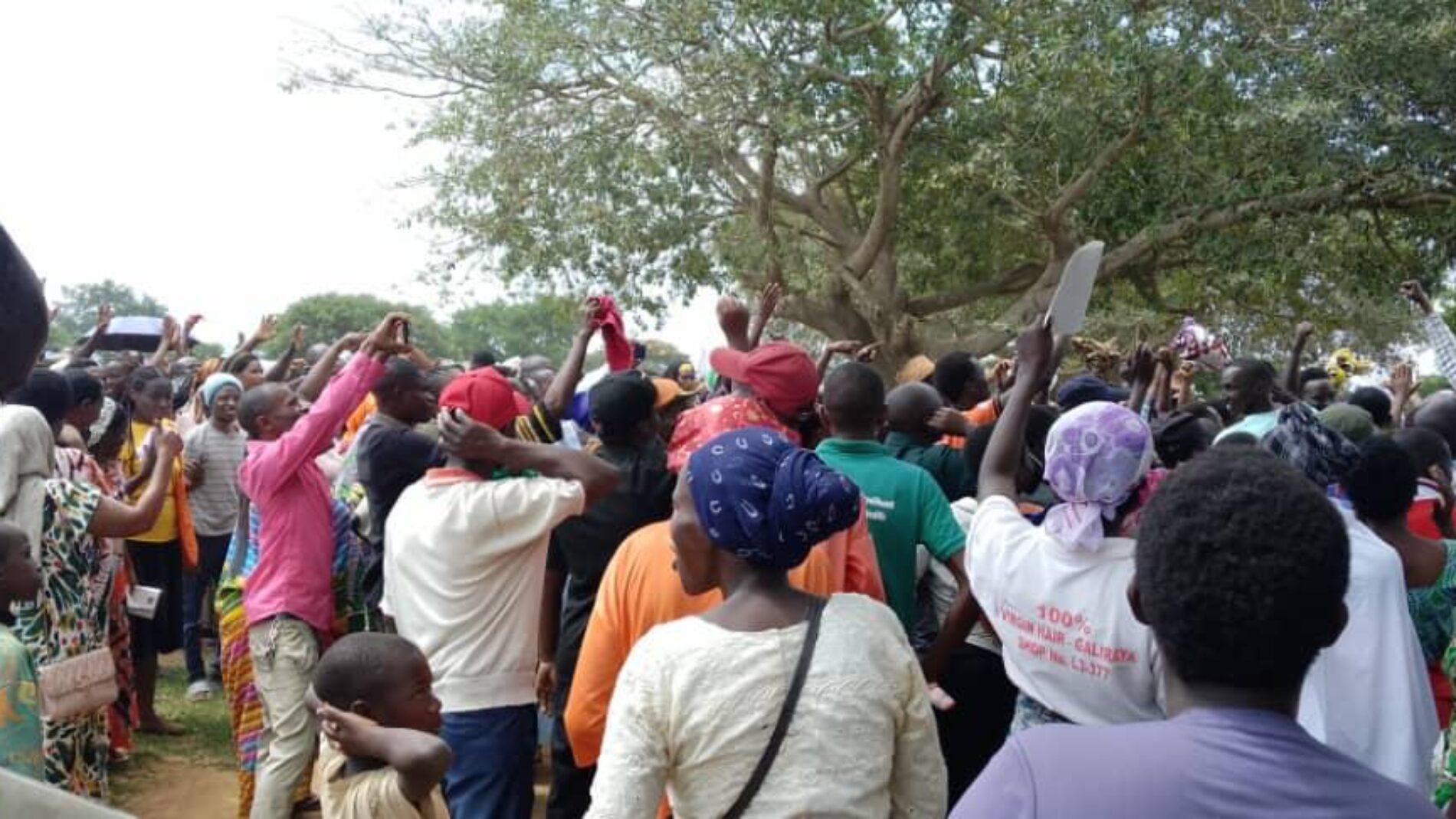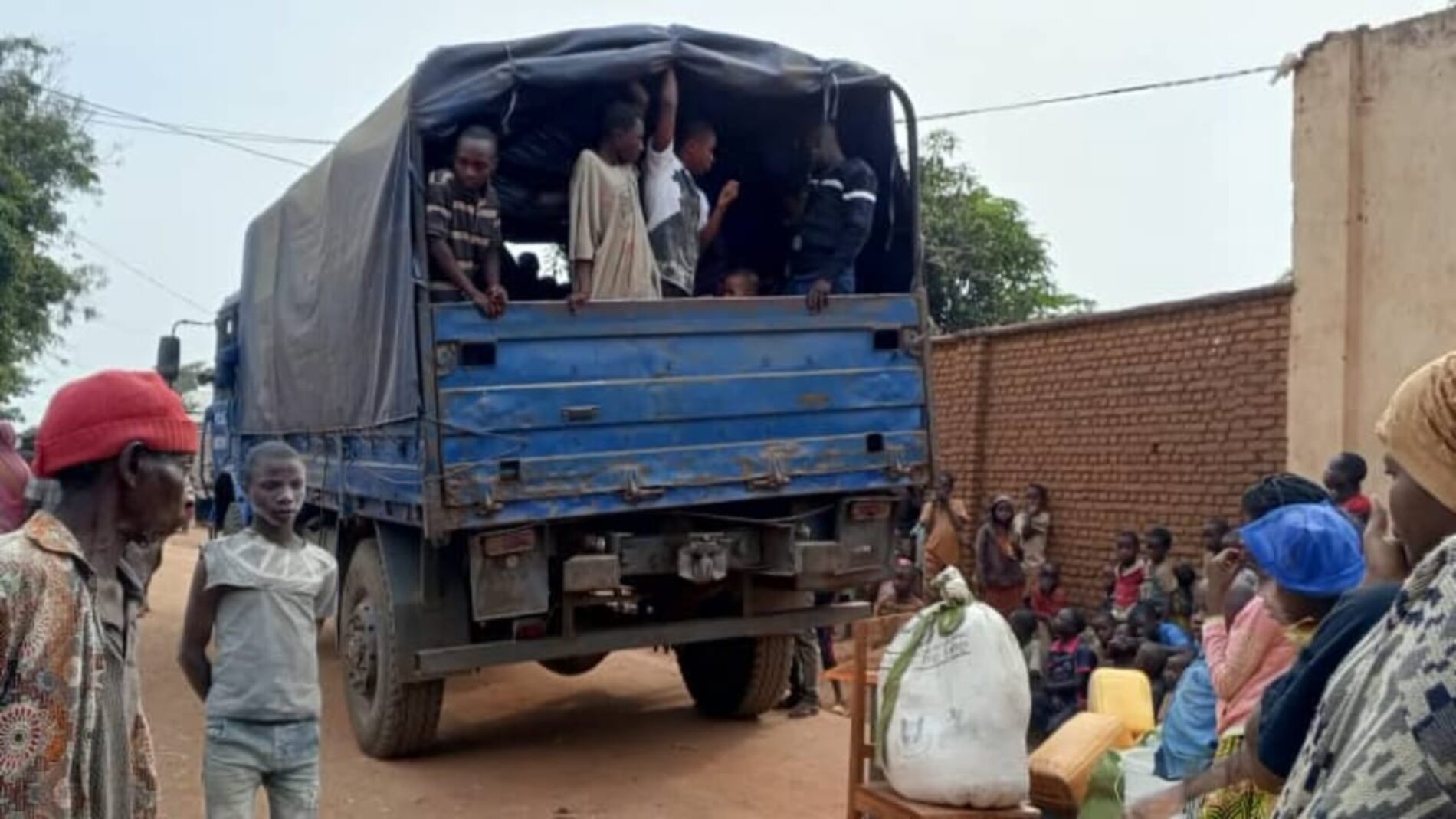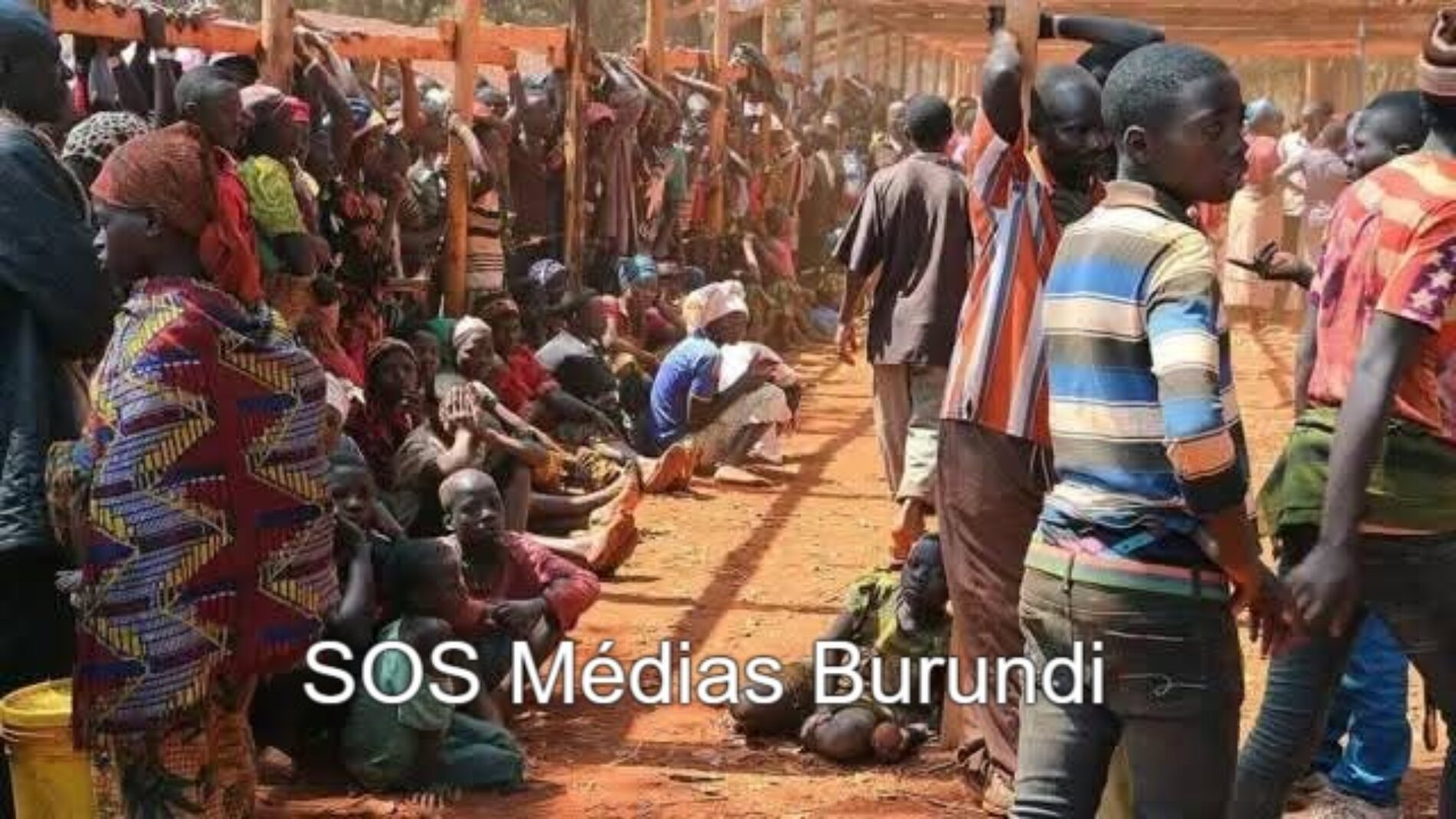
More than 2,300 Burundian refugees residing in Tanzania's Nyarugusu camp claim they are facing a forced repatriation procedure. These refugees assert that Tanzanian authorities are pressuring them to return to Burundi against their will, describing the process as involuntary. This alleged situation has raised significant concerns regarding the voluntary nature of the repatriation process for these individuals, many of whom fled conflict and instability in their home country seeking refuge. The refugees in Nyarugusu have expressed profound fears for their safety, citing ongoing instability in Burundi, should they be compelled to return under current conditions. Their claims highlight a growing humanitarian crisis within the camp.
Aid Suspended, Cards Cancelled
Over 2,300 refugee cards were reportedly cancelled starting Monday, with affected individuals required to register for repatriation scheduled for the current week. This large-scale cancellation has left many refugees without essential support. In Zone 9, nearly 980 individuals are reportedly affected by a suspension of rations and an obligation to return to their home country. The suspension of food assistance and other aid is seen by many refugees as a coercive measure to force their departure.
Camp Closure and Relocation Pressures
The section of Nyarugusu camp designated for Burundian refugees is slated for permanent closure in July. This closure had initially been scheduled for June but was subsequently postponed, extending the period of uncertainty for the camp's inhabitants. Despite ongoing repatriation efforts and the pressures being exerted, the camp reportedly continues to host approximately 22,000 Burundian refugees. The impending closure adds urgency to the situation, with refugees facing difficult choices about their future. The Tanzanian government's decision to close the camp has been met with apprehension by international aid organizations and human rights groups.
Living Conditions and Refugee Appeals
A notice reportedly posted by the camp management office, which refugees state is supported by UNHCR, invited individuals to register for "voluntary repatriation already scheduled before the end of the week." However, refugees contend that the circumstances surrounding this invitation make true voluntary repatriation impossible. In addition to previous cancellations, approximately 300 more refugee cards were reportedly cancelled in Zone 19, further exacerbating the humanitarian situation for those affected. Several refugees reported that their homes have been destroyed, compelling them to reside in a transit center. These centers have been described by refugees as overcrowded, with conditions leading to extreme promiscuity, raising serious concerns about safety, dignity, and public health within the camp. The destruction of homes is viewed by many as a tactic to dislodge them and force their compliance with repatriation demands.
Humanitarian Concerns Raised
Approximately 960 refugees from Zone 8 were reportedly removed from food assistance lists, leading to card cancellations and leaving them vulnerable to hunger and hardship. These actions are perceived by many as a deliberate strategy to create untenable living conditions, thereby pressuring refugees to accept repatriation. Nyarugusu camp is currently the last site hosting Burundian refugees in Tanzania, following the closure of Nduta camp at the end of April. With the closure of Nduta, Nyarugusu became the sole remaining refuge for Burundians in the country, concentrating the humanitarian challenges. The international community has been called upon to monitor the situation closely and ensure that any repatriation process adheres strictly to international human rights standards, emphasizing the principle of voluntary return. The well-being and fundamental rights of these vulnerable individuals remain critical.