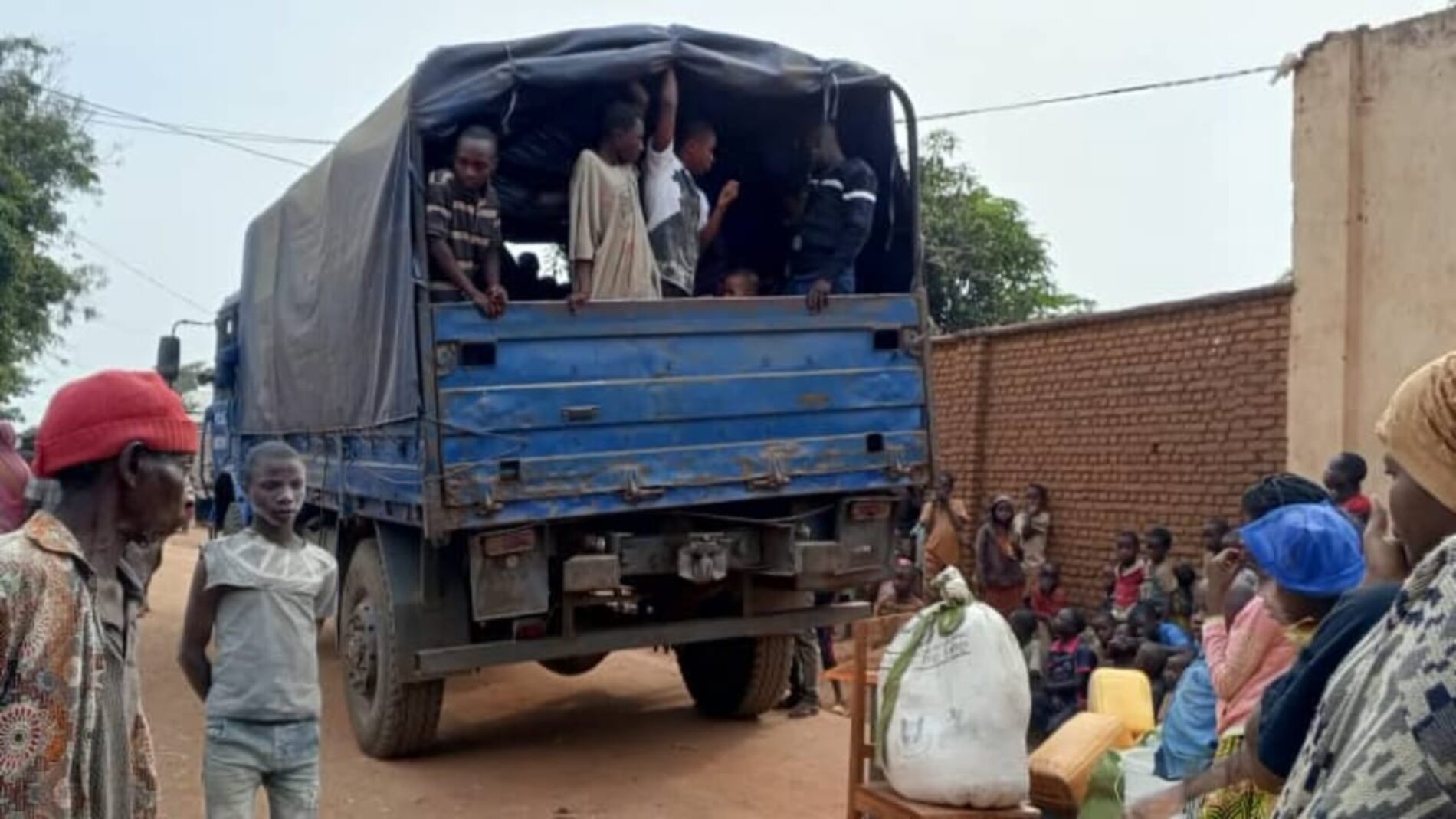
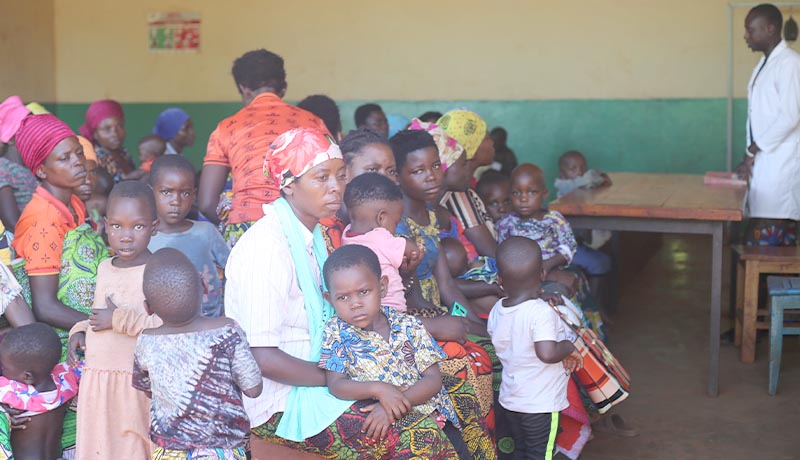
At least 17 individuals, including an entire family, have reportedly been expelled from Switzerland and returned to Burundi on a special flight. This significant number of forced repatriations has ignited serious concerns over the safety and well-being of those sent back to the East African nation. The Secrétariat d’État aux migrations (SEM), Switzerland's State Secretariat for Migration, has been directly involved in orchestrating these returns. The article, published on May 25, 2026, notes the ongoing nature of these contentious expulsions.
Cantonal Concerns and SEM Actions
The State Secretariat for Migration (SEM) continues to carry out forced returns to Burundi despite repeated and urgent alerts about the heightened risks of persecution faced by returnees, according to numerous organizations and experts monitoring the situation. This practice persists even as concerns mount regarding the safety of individuals repatriated to the East African nation, with reports indicating potential threats to their liberty and security upon arrival. The alerts show the potential dangers faced by those sent back, noting a significant divergence between the SEM's actions and the warnings issued by various human rights groups and international bodies. Organizations and experts have consistently pointed to the heightened risks of political persecution and human rights abuses for Burundian returnees, particularly those perceived as dissidents or opponents of the current regime. These warnings often cite the fragile political stability and documented human rights issues within Burundi as primary reasons for concern.
Returnees' Difficult Journey
A specific special flight, organized on April 21, transported a family of five along with several other Burundian nationals back to Burundi. This particular flight showed the direct and organized nature of these expulsions. Many of these returnees had previously undertaken a long and arduous migratory route, often traveling through Serbia. Serbia frequently serves as a significant transit point for African migrants attempting to reach the European Union, indicating a complex and perilous journey before their eventual forced return. The fact that these individuals had already navigated such a difficult path only to be sent back to their country of origin further amplifies the concerns surrounding their safety and future prospects. Their journeys often involve considerable personal risk and financial hardship, making their forced return particularly impactful.
Political Climate and Future Fears
The political climate in Burundi is tense and increasingly volatile, especially ahead of the key 2027 elections. This period of heightened political sensitivity coincides directly with the forced return of young Burundians expelled from Switzerland, raising fears about their potential vulnerability. Between 2024 and 2026, a total of 17 individuals are projected to have been returned to Burundi, a figure that includes those recently expelled. The returns are occurring against a backdrop of heightened political sensitivities within the East African nation, where political dissent is often met with severe repercussions. The expulsions from Switzerland include a number of young Burundians, whose return is drawing particular attention due to the prevailing political atmosphere and the potential for them to be viewed with suspicion by authorities. The period leading up to the 2027 elections in Burundi is characterized by increased political scrutiny and a tightening of civic space, making the timing of these returns especially alarming for human rights advocates.
Voices from the Ground
The cantons of Aargau, Solothurn, Vaud, and Zurich have reportedly expressed significant concerns regarding the ongoing expulsions, indicating a lack of full consensus within Switzerland on these policies. Their apprehension notes the moral and humanitarian dilemmas associated with these forced returns. Upon their arrival in Burundi, many of the returnees are concentrated in the capital city, Bujumbura, specifically in the neighborhoods of Nyakabiga, Gasekebuye, and Gihosha. Additionally, some returnees have been sent to various other provinces across the country. This geographical distribution suggests a coordinated effort in their placement, but also raises questions about their integration and safety in different regions of Burundi, particularly given the localized political dynamics that can vary from one area to another. The concerns voiced by the cantons reflect a broader unease about the potential consequences for individuals sent back to a country with a challenging human rights record.