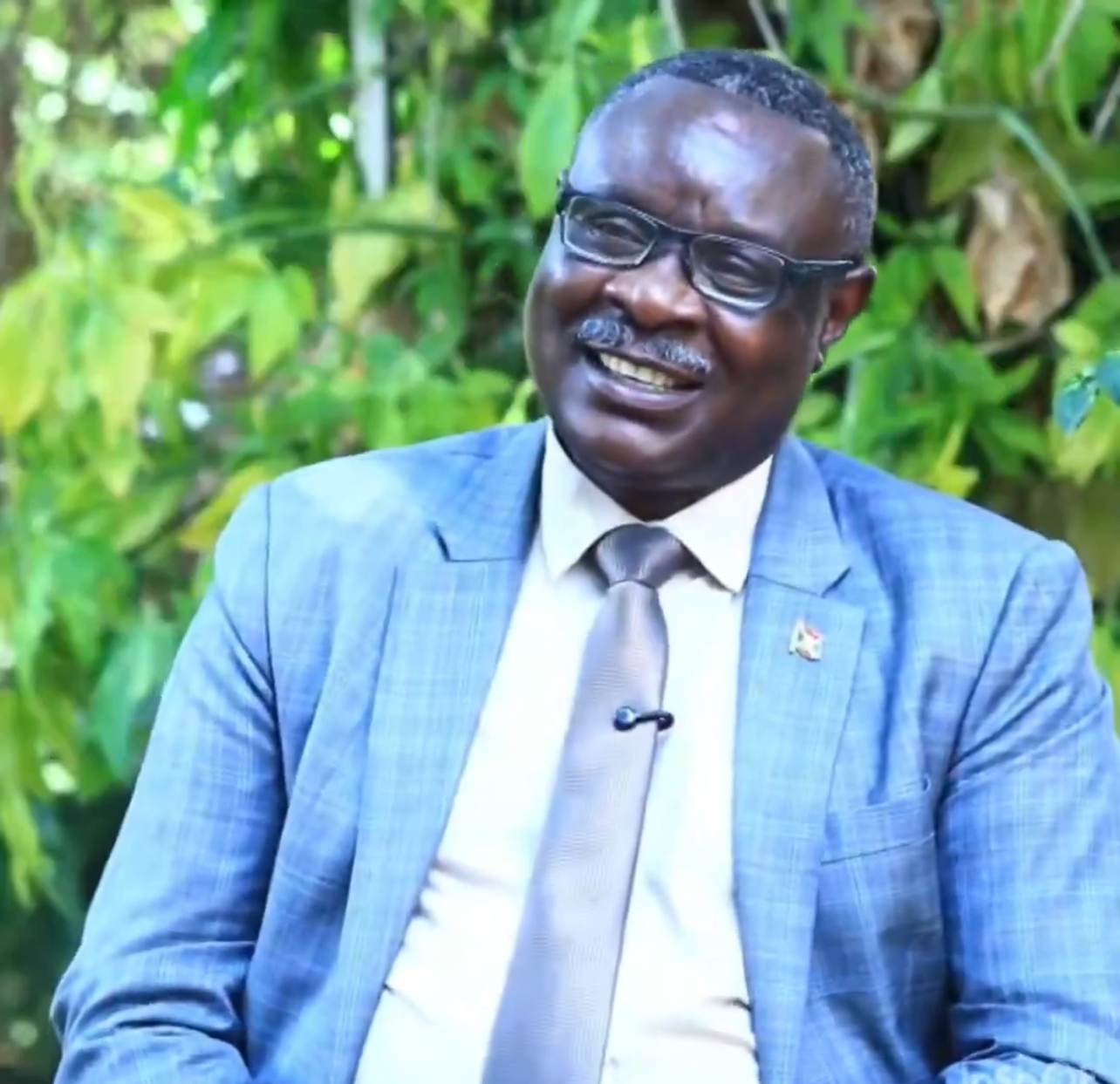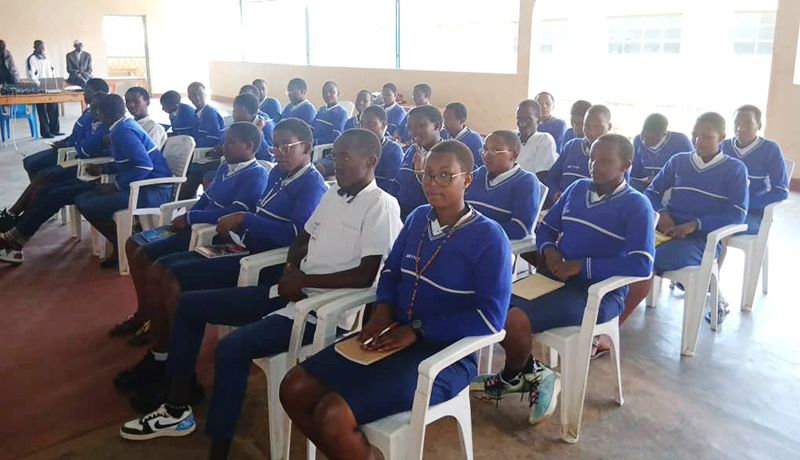
A popular expression forum (TEP) took place on May 2, 2026, in Rwibaga, Bujumbura province, organized by local media in partnership with the NGO La Benevolencija. This forum, designed as a platform for community dialogue and engagement, brought together various stakeholders to discuss critical issues facing the region. The event specifically focused on the theme 'State of play and how to boost the agricultural sector in Rwibaga commune'. Participants included key local figures such as Fréderic Manirakiza, administrator of Rwibaga commune, and Salvator Sindayihebura, the commune's agronomist, who both served as panelists, offering expert insights and administrative perspectives. Students from Lycée d’Ijenda largely represented the electors present at the event, bringing forward the concerns and aspirations of the younger generation and future agricultural workforce. The discussion aimed to comprehensively address current agricultural conditions, highlight successes, and explore strategic pathways for enhancement and sustainable development within the region's vital farming sector.
Commune's Agricultural Successes
Rwibaga commune has achieved satisfactory production levels for both food and export crops, a testament to the dedication of its farmers and the fertile land. The commune's population has actively responded to calls for food security and economic self-sufficiency, contributing significantly to its agricultural output. The commune cultivates a diverse variety of food crops, forming the staple diet and economic backbone for many households. These include essential commodities such as beans, corn, sweet potatoes, and potatoes, which are grown in abundance. In addition to these key staple foods, Rwibaga also produces valuable export crops, specifically tea and coffee, which play a significant role in boosting the local economy and generating revenue for the commune.
The consistent agricultural success has firmly positioned Rwibaga as a significant supplier of produce to other regions across the country. Its strong production capabilities are increasingly making it recognized as a 'granary' for the country, particularly noted for providing substantial quantities of potatoes to major urban centers such as Bujumbura, Gitega, and Rutana. This vital role shows the commune's impressive capacity in food production and its substantial contribution to national food supply chains, ensuring food availability in key population centers.
Beyond raw agricultural output, the infrastructure for agricultural processing is also well-established and operational within the commune, adding value to its produce. A functional tea processing factory operates efficiently in Rwibaga, facilitating the key preparation of one of its key export crops for market. This factory is instrumental in transforming raw tea leaves into a marketable product, supporting the value chain. Coffee production also shows notable activity and efficiency, with 40 tons of cherry coffee having already been sold from the Mayembe hill to a de-pulping station. This demonstrates a strong initial stage of processing for coffee beans within the area, indicating a well-organized system for preparing coffee for further refinement and export.
In addition to its agricultural achievements, the commune has also seen significant improvements in essential public services, enhancing the overall quality of life for its residents. The Lycée d’Ijenda, a prominent local educational institution, is now reliably supplied with potable water. This development contributes significantly to the overall well-being and infrastructure improvements within Rwibaga, complementing its agricultural successes by ensuring better health and sanitation for students and staff. The consistent production of diverse crops, coupled with increasingly sophisticated processing capabilities and improved public services, collectively reflects a period of substantial growth and positive development for the commune of Rwibaga.
Student Concerns and Criticisms
Students participating in the Rwibaga Forum on May 2, 2026, voiced several pertinent concerns regarding current agricultural practices and the challenges faced by farmers within the commune. As representatives of the future generation, the Lycée d’Ijenda students noted a range of issues, from the fundamental availability of resources to the complexities of market prices. Rwibaga commune, being one of the eleven communes that collectively compose Bujumbura province, faces specific pressures due to its significant size and its profound economic reliance on the agricultural sector.
One primary and frequently raised concern by the students was the insufficiency of fertilizers available to local farmers. They emphasized that a lack of adequate fertilization could severely impact crop yields and soil health over time. They pointed to the alarming issue of the destruction of woodlands for cultivation, indicating significant environmental pressures associated with the expansion of agricultural land. This practice not only leads to deforestation but also contributes to soil erosion and loss of biodiversity. The low selling price of tea leaves was another significant criticism, noting economic challenges faced by producers of one of the commune's key export crops. Students argued that the current prices often do not adequately compensate farmers for their labor and investment, potentially discouraging future production.
Further concerns articulated by the students included the inadequacy of storage facilities for agricultural produce. This deficiency can lead to substantial post-harvest losses, as crops spoil before they can be brought to market or processed. The availability of phytosanitary products, which are essential for maintaining crop health, controlling pests, and preventing diseases, was also identified as a significant problem. Farmers often struggle to access these critical inputs, jeopardizing their harvests. These issues collectively paint a vivid picture of various hurdles faced by farmers in Rwibaga, impacting their productivity and profitability. The commune's total area spans 276 square kilometers, with arable land occupying a substantial 70% of this territory. This high proportion of land dedicated to farming shows the critical importance of efficient and sustainable agricultural practices. Consequently, the challenges identified by the students directly impact a substantial part of the commune's economic activity and its long-term environmental health, making their concerns particularly salient for the commune's future.
Administrator's Responses and Solutions
In response to the environmental concerns raised, Rwibaga commune actively implements agroforestry practices as a proactive measure to address deforestation. As part of its reforestation efforts, the commune is deeply involved in producing and distributing over ten thousand tree saplings to local farmers, encouraging the integration of trees within agricultural landscapes to restore ecological balance and prevent soil degradation. The region also benefits from several supportive agricultural initiatives designed to bolster farmer productivity and resilience. These initiatives include the operation of seed multipliers, which ensure access to high-quality planting materials, and microfinance institutions that provide key agricultural loans, enabling farmers to invest in their land and operations. Additionally, various partner organizations assist farmers with contour line tracing, a vital technique to combat soil erosion, particularly on hilly terrains characteristic of the region.
To ensure full oversight and support for its agricultural sector, the commune employs a structured and hierarchical agricultural monitoring system. This system features an overseer assigned to each hill, providing localized guidance and supervision. These overseers report to a zonal agricultural manager, who coordinates efforts across broader areas. At the top of this structure is the communal agronomist, Salvator Sindayihebura, who provides expert advice and strategic direction for the entire commune's agricultural activities, ensuring a cohesive and well-managed approach to farming.
Commune administrator Fréderic Manirakiza directly addressed concerns about agricultural challenges, offering a nuanced perspective. He stated that demographic pressure, rather than an inherent shortage of fertilizers, poses the primary and most significant threat to the sector's long-term sustainability. Mr. Manirakiza elaborated on this point, explaining that the increasing population density places greater demands on land and resources, exacerbating existing challenges. He also candidly mentioned instances of fraud, where individuals requested excessive quantities of fertilizer bags despite not being active farmers, diverting resources from genuine agricultural needs. Regarding infrastructure improvements, particularly water access, Mr. Manirakiza noted significant progress. He reported that 84 public fountains have already been constructed within the commune, dramatically improving access to clean water for many residents. Other existing water networks have undergone extensive rehabilitation to enhance their functionality and reliability, further improving access for residents across Rwibaga.
Broader Context and Future Outlook
The commune of Rwibaga, with its total area spanning 345 square kilometers, is deeply reliant on its agricultural sector for economic prosperity and community well-being. This reliance is starkly illustrated by the fact that the agricultural sector alone generates a substantial 85% of the commune's total revenues, showing its key role in the local economy. This high percentage notes the critical importance of addressing the challenges and supporting the growth of farming activities within Rwibaga.
Looking ahead, the commune has set an ambitious and vital goal to ensure that within the next two years, every resident will have reliable access to potable water. This initiative aims to significantly improve public health and reduce the daily burden of water collection, with the specific target that no resident will need to walk more than 15 minutes to obtain clean drinking water. This commitment to improving basic services, alongside ongoing efforts to enhance agricultural productivity and sustainability, paints a picture of a commune striving for full development and a better quality of life for all its inhabitants. The integrated approach of addressing both agricultural challenges and essential infrastructure needs reflects a forward-thinking strategy for Rwibaga's future.