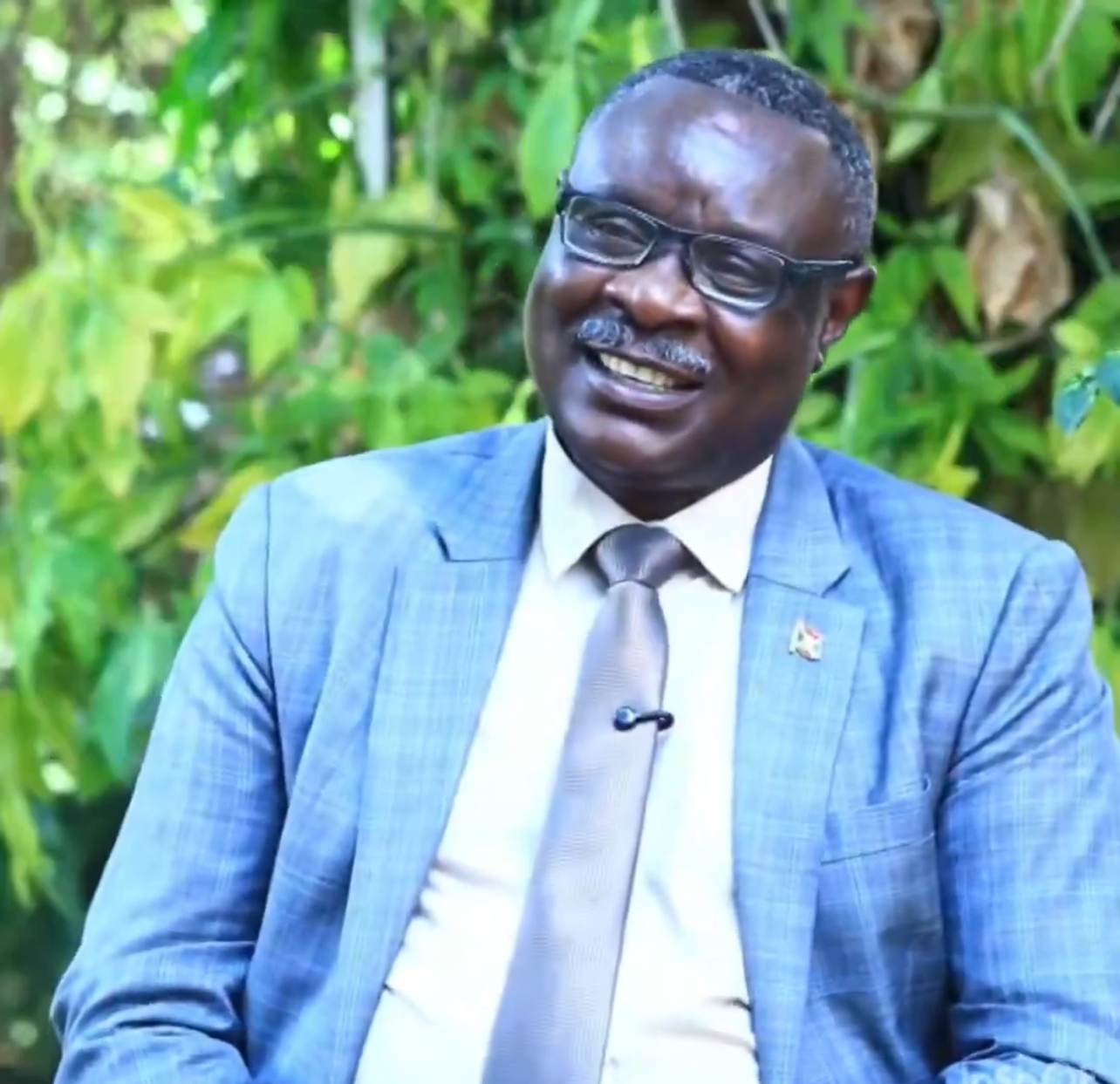
Burundi’s Ambassador to Belgium, Thérence Ntahiraja, made public statements in an interview, triggering a diplomatic row. His remarks are central to the emerging tensions between regional powers in the Great Lakes region of Africa. The statements from the envoy in Brussels concern the Democratic Forces for the Liberation of Rwanda (FDLR), a Hutu rebel group, and have drawn significant attention to the diplomatic relationship between Burundi and its neighbors, particularly Rwanda. The ambassador's comments have prompted scrutiny from other diplomatic entities in the region, raising concerns about stability and regional security.
Ambassador's Contentious Claims
Thérence Ntahiraja, Burundi's Ambassador to Belgium, stated he had been engaging with Rwandans who are descendants of individuals convicted of genocide or those financing opposition activities against the Rwandan government. These engagements, according to Ntahiraja, were part of a broader effort. Claims suggest that meetings were held inside the Burundian embassy in Brussels, a location typically considered sovereign territory. These alleged gatherings were purportedly preparing subversive activities directed against Rwanda, an accusation that has sparked immediate condemnation from Kigali. The nature of these alleged activities and the involvement of individuals linked to past atrocities have further intensified the diplomatic fallout.
FDLR's Troubled History
The FDLR was established by perpetrators of the 1994 genocide against Tutsis in Rwanda, forming its core identity around this tragic history. Its founding membership explicitly includes individuals who participated in the genocide that killed over one million Tutsis and moderate Hutus in a hundred days. This historical context is key to understanding the gravity of any perceived support for the group. For three decades, the FDLR has operated from bases in eastern Democratic Republic of Congo, exploiting the instability of the region. The FDLR is officially designated a terrorist organization by several international bodies and has been subject to repeated United Nations sanctions and expert investigations due to its persistent destabilizing activities and human rights abuses. Further complicating the regional security landscape, the group is also known to be fighting alongside Congolese government forces in eastern Congo, a fact that raises questions about alliances and objectives in the ongoing conflicts.
Rwanda's Strong Condemnation
The ambassador's statements suggested that elements of the Democratic Forces for the Liberation of Rwanda (FDLR) would find their way back to Rwanda through armed means. This implication has drawn sharp criticism, particularly given the FDLR's history as a genocidal force and its continued designation as a terrorist organization. Such remarks are seen as deeply provocative and an endorsement of violence. Separately, Burundian troops are deployed in eastern Congo alongside Congolese government forces, a military presence that adds a layer of complexity to regional security dynamics. This deployment is especially sensitive considering the allegations surrounding the FDLR and Ambassador Ntahiraja's remarks, creating a perception of potential alignment with groups hostile to Rwanda. These deployments are part of broader regional efforts in the Democratic Republic of Congo, ostensibly aimed at restoring peace, but the Ambassador's comments have cast a shadow over these intentions.
Diplomatic Fallout
Rwanda’s Foreign Affairs Minister Olivier Nduhungirehe responded to the ambassador's remarks with strong condemnation, stating, "That a Burundian ambassador accredited to the Kingdom of Belgium would allow himself, despite being well aware of diplomatic ethics, to impunely make such an incendiary declaration against a neighboring state, promising to support an attack by the genocidal FDLR against Rwanda, should raise questions." Minister Nduhungirehe's statement shows the severity with which Rwanda views the ambassador's comments, suggesting a grave breach of diplomatic protocol and an unacceptable threat to regional peace. The incident notes the fragile nature of relations between the two East African nations and the enduring sensitivities surrounding the legacy of the Rwandan genocide and the activities of armed groups in the Great Lakes region.