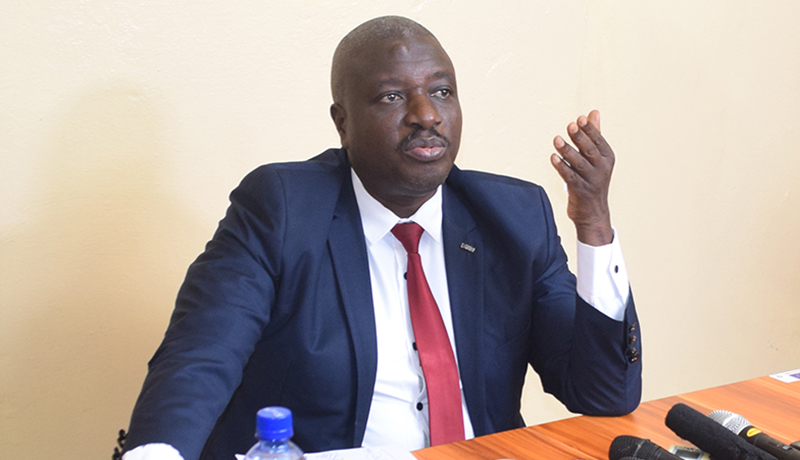
Parole et action pour le réveil des consciences et le changement des mentalités (PARCEM) held a press conference on Wednesday, May 13, 2026, in Bujumbura. The civil society organization used the event to present its analytical report on Burundi's governance and socio-political-economic situation for the initial months of 2026. The report was notably titled "Where are we going?" This full analysis served as a critical assessment of the nation's trajectory, noting areas of concern and proposing a path forward. The press conference itself provided a platform for PARCEM to articulate its findings and directly address the public and national leadership regarding the urgent need for reform and responsibility.
PARCEM's analysis concluded that the current period demands concrete action and accountability from leadership. The organization stated that the era is no longer conducive to reigning without governing, engaging in deception, or manipulating the populace. This assessment shows PARCEM's call for a fundamental shift towards practical solutions and transparent leadership in the country. The report emphasized that the challenges facing Burundi are too critical to be met with inaction or misdirection, necessitating a direct and honest approach from those in power.
Economic Indicators in Crisis
PARCEM's report noted critical economic indicators, asserting that a government failing to address issues such as inflation, energy, poverty, the fiscal situation, employment, foreign exchange reserves, debt, and basic social services demonstrates a fundamental misunderstanding of its responsibilities. The civil society organization emphasized that a country experiencing political failures typically first manifests this through uncontrolled inflation, which serves as a poignant indicator of deeper systemic issues. The report stressed that a government's primary mission includes safeguarding the economic well-being of its citizens, a responsibility that appears to be neglected in the current climate.
The report pointed to significant disparities in inflation rates across the East African region. While Rwanda, Kenya, and Tanzania each recorded inflation figures below 5%, Burundi's economic situation presented a stark contrast. According to publications from the National Institute of Statistics of Burundi (INESB), inflation in Burundi during the initial months of 2026 was reported at 31%, 29%, and 30%. These figures show the severity of the inflationary pressures impacting the country, far exceeding regional averages and indicating a deep-seated economic instability. This high inflation rate is directly linked to the increasing pauperization and vulnerability of the population, as it severely erodes the purchasing power of families, making essential goods and services increasingly unaffordable.
PARCEM further detailed that Burundi's economy is currently burdened by a severe lack of foreign exchange reserves. This scarcity directly affects the country's ability to import essential goods and manage its external financial obligations, creating a bottleneck for key commodities and industrial inputs. Compounding this challenge, the nation's debt has been described as "exploding," reaching approximately 50% of the Gross Domestic Product (GDP). This level of indebtedness adds significant pressure to the national budget and limits fiscal flexibility for government spending on critical services and development projects. The organization's analysis suggests that these economic pressures are interconnected, with high inflation exacerbating the challenges posed by limited foreign exchange and a rising national debt. The report implicitly links these economic struggles to governance issues, aligning with PARCEM's broader critique of national leadership and its failure to adequately manage the economy.
Economic growth in Burundi further illustrates the country's precarious position, with a reported rate of 3.3%. This figure stands in stark contrast to the more strong economic growth rates of 8.7%, 9%, and 10% recorded in other countries within the sub-region. This significant disparity notes Burundi's lagging economic performance and its inability to keep pace with its neighbors, contributing to a sense of stagnation and missed opportunities. The report unequivocally states that the country has no real growth and lacks economic stability, which has profound implications for the population's welfare and future prospects.
Adding to the economic woes, unemployment and underemployment are significant issues plaguing the nation. These conditions are directly contributing to a massive departure of young people from Burundi, as they seek better opportunities and livelihoods elsewhere. The problem of underemployment is not confined to urban centers but is also observed even in rural areas, indicating a widespread lack of productive economic activity across the country. This exodus of youth represents a significant loss of human capital and future potential for Burundi.
Systemic Governance and Infrastructure Deficits
Burundi currently faces significant energy insecurity, evidenced by persistent shortages of both fuel and electricity across the country. Citizens encounter difficulties with fuel supply, which impedes the mobility of goods and people essential for economic activity, disrupting supply chains and daily life. The lack of reliable electricity further cripples businesses and households, hindering productivity and development. This ongoing energy crisis is a direct reflection of inadequate infrastructure investment and mismanagement, impacting every sector of the economy and daily existence.
Taxation policies present a continuing burden for taxpayers, characterized by uncontrolled exemptions and a predominant focus on taxing consumption rather than high incomes, according to PARCEM's analysis. This regressive tax structure disproportionately affects lower and middle-income households, while those with higher incomes may benefit from loopholes or exemptions. Such a system not only exacerbates income inequality but also fails to generate sufficient revenue for public services, further straining the national budget. The report criticizes this approach for its lack of fairness and its detrimental impact on the broader population.
PARCEM also noted a lack of rigor in public expenditures, particularly concerning the management of missions. This practice is identified as a significant drain on public funds and foreign exchange reserves, as resources are allocated inefficiently or without adequate oversight. Such mismanagement indicates a broader issue of fiscal indiscipline within government operations, diverting critical resources away from essential services and development projects.
Several key infrastructure projects are experiencing delays or remain unfinished, which PARCEM attributes to deficits in cooperation and fund mobilization. These key projects include the special economic free trade zone, which is vital for attracting investment and boosting trade; the construction of the central market, essential for local commerce and food security; the OBR buildings, critical for government administration; the renovation of King Khaled hospital, a key healthcare facility; the construction of the Bujumbura-Rumonge road, important for regional connectivity and transport; and the rehabilitation of the Melchior Ndadaye/Bugendana airport, key for national and international travel. The stagnation of these projects represents a significant impediment to the country's development and economic progress, further illustrating the government's inability to execute its responsibilities effectively.
Ineffective state monopolies are also subject to criticism within the report. PARCEM specifically noted issues with SOPEBU, the state-owned fuel import company, and ANAGESSA. These entities, intended to provide essential services, are instead characterized by inefficiencies and a lack of accountability, contributing to the broader economic challenges and supply shortages experienced by the population. Their poor performance further shows the need for full governance reforms.
The fight against corruption represents a major challenge for the nation, with the report indicating that cases of embezzlement frequently go unpunished or are handled with undue leniency. This widespread issue undermines public trust, distorts economic incentives, and diverts resources that could otherwise be used for public good. The lack of stringent enforcement against corruption sends a troubling message, perpetuating a cycle of impunity. PARCEM's assessment details instances of kidnappings and disappearances of individuals, noting a disturbing lack of organized campaigns or concerted efforts to curb these phenomena. This failure to address such grave human rights concerns points to a serious breakdown in the rule of law and the protection of citizens.
Call for Accountability and Action
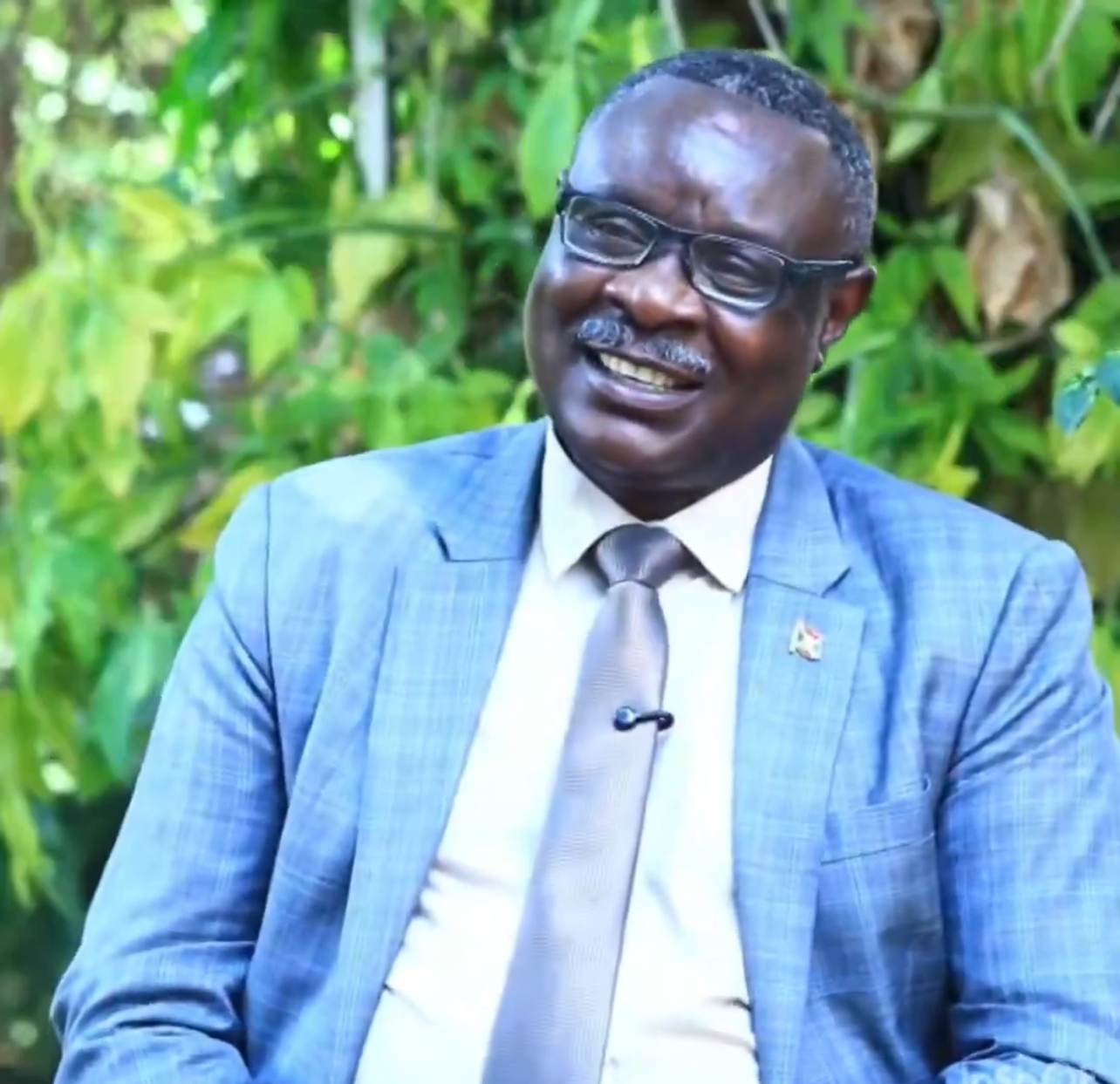
Faustin Ndikumana, national director of Parole et action pour le réveil des consciences et le changement des mentalités (PARCEM), called on Burundi's current leadership to assume its responsibilities. Mr. Ndikumana stated that the national leadership is increasingly evading its duties and failing to acknowledge evident failures. He emphasized that "the era is no longer of reigning without governing. The era is no longer of lies, of popular manipulation. It is the era of action, of accountability." This powerful statement encapsulates PARCEM's core message: a demand for transparent governance and tangible results.
PARCEM's analysis identifies inflation as a primary cause of impoverishment and vulnerability, as it erodes families' purchasing power. "Inflation is at the origin of pauperization and vulnerability. It is inflation that erodes the purchasing power of families," Mr. Ndikumana explained. He added that "in a country where politics is failing, the first indicator is uncontrolled, unmastered inflation," asserting that "this is not normal for a responsible government." His remarks show the direct link between political mismanagement and the daily struggles of ordinary Burundians, positioning inflation not merely as an economic statistic but as a critical social issue.
The report noted Burundi's economic growth at 3.3%, which stands in stark contrast to rates of 8.7%, 9%, and 10% recorded in other countries within the sub-region. Faustin Ndikumana stated that "the country has no growth, no economic stability." He also pointed out that unemployment and underemployment are significant issues, contributing to a "massive departure of young people." He elaborated, "Underemployment is observed even in rural areas," illustrating the widespread nature of the economic hardship and its impact on the nation's youth and overall development prospects. The call from PARCEM and its director is a clear demand for the leadership to confront these realities and implement concrete, accountable solutions for the future of Burundi.