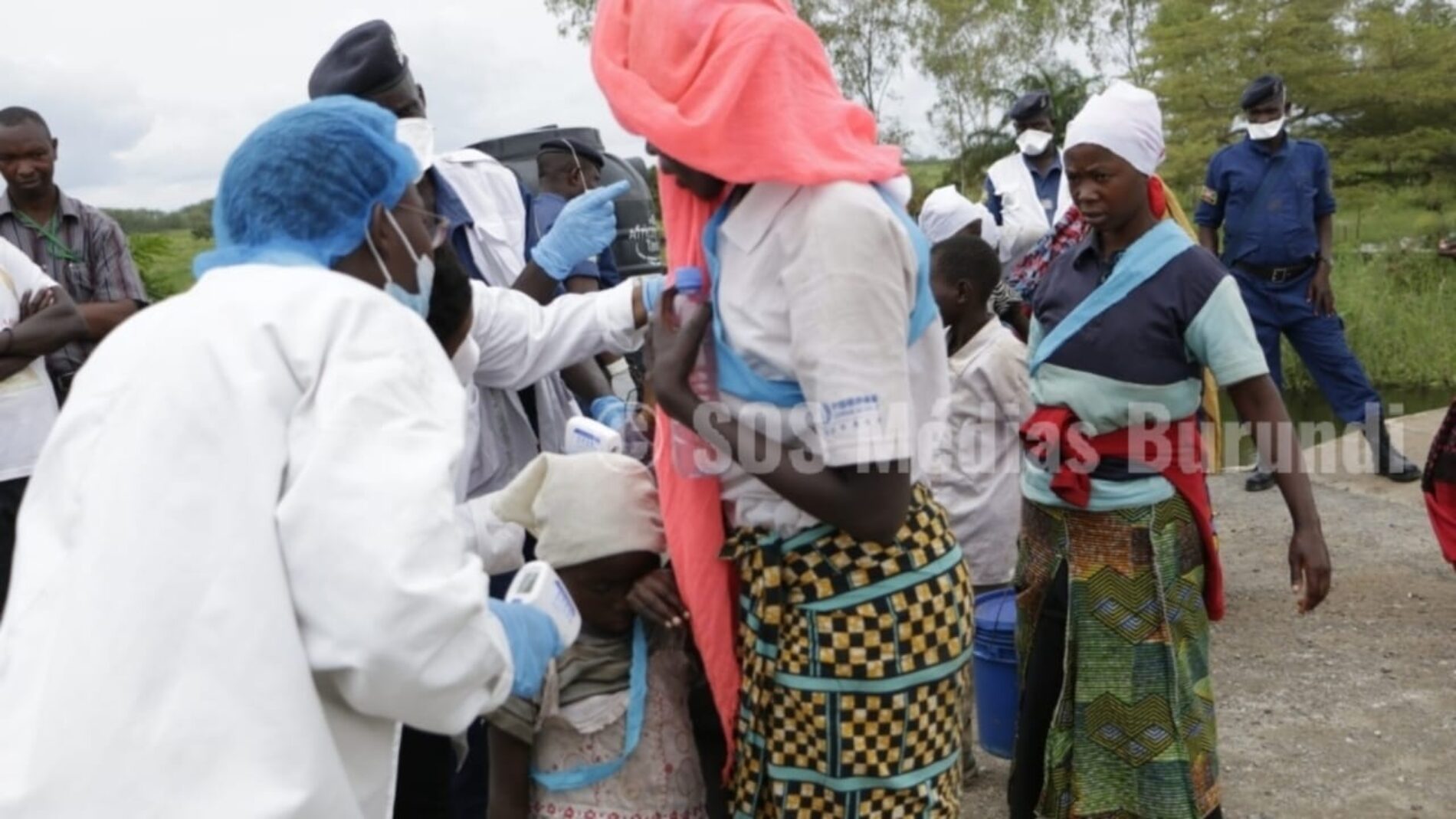
Two confirmed cases of Ebola, including one fatality, have been reported and registered in South Kivu province, République démocratique du Congo. The new cases mark the first time the deadly virus has been registered in the region, prompting a regional alert from the Africa CDC. This development shows the ongoing challenges in controlling the spread of infectious diseases in the country. Local health authorities are actively working to identify contacts and implement containment measures to prevent further transmission within the province. The swift response aims to mitigate the risk of the virus establishing a wider foothold in the densely populated area.
Regional Risk Escalates
Ten countries in Central and East Africa are now considered at risk of the epidemic's spread, following the confirmed Ebola cases in South Kivu province. The Director General of Africa CDC, Jean Kaseya, stated, "ten countries in Central and East Africa are now considered at risk of the epidemic's spread." These nations include South Sudan, Rwanda, Kenya, Tanzania, Ethiopia, Congo, Burundi, Angola, Central African Republic, and Zambia. The Africa CDC's alert notes the potential for broader regional impact, prompting intensified surveillance and preparedness efforts across these neighboring countries. This proactive stance is key given the interconnectedness of communities and the potential for rapid cross-border transmission. Each of these nations is now urged to heighten their public health monitoring systems and ready their emergency response protocols.
Understanding Ebola Virus
Ebola virus hemorrhagic fever generally begins with symptoms similar to many other common infections. Typically, it presents with symptoms that can initially resemble many other common infections. Key signs of the disease include a sudden high fever, extreme fatigue and weakness, headaches, and muscle pain. As the illness progresses, patients may experience vomiting and diarrhea, rapid dehydration, and in severe cases, internal or external bleeding. Transmission of the Ebola virus occurs through direct contact with the bodily fluids of an infected person, such as blood, vomit, or feces. It can also spread through contact with objects that have been contaminated with these fluids. Understanding these modes of transmission is vital for implementing effective infection control measures and protecting healthcare workers and communities. Public awareness campaigns are often launched to educate populations on preventing spread.
Official Reactions and Response
The Ebola outbreak in South Kivu was identified in the Miti-Murhesa health zone, situated within the territory of Kabare, north of Bukavu, the provincial capital. This specific location shows the geographical extent of the virus's spread within the region. The identification of cases in this area has intensified local and regional efforts to contain the disease. Health officials are deploying rapid response teams to the affected zone to conduct epidemiological investigations, trace contacts, and establish isolation protocols. The provincial health department is working closely with national and international partners to ensure a coordinated and strong response.
Meanwhile, health authorities in Uganda have confirmed three new cases of Ebola. This development notes the ongoing challenge of managing the spread of the virus across national borders, prompting increased vigilance and response measures in neighboring countries. The confirmed cases in Uganda contribute to the regional alert issued by the Africa CDC, emphasizing the need for coordinated public health interventions. Border surveillance has been enhanced to monitor travel and identify potential cases entering or leaving the affected areas, further complicating the containment efforts.
Past Outbreaks and Current Context
The current outbreak marks the 17th Ebola epidemic in the Democratic Republic of Congo. The country has previously recorded 817 cases and 179 deaths across the provinces of Ituri, North Kivu, and South Kivu, showing the recurring challenges posed by the virus in the region. The DRC has extensive experience in managing Ebola outbreaks, but each new emergence presents unique logistical and public health challenges. The history of these outbreaks emphasizes the importance of sustained preparedness and rapid response capabilities to prevent widespread epidemics. Lessons learned from previous outbreaks are continuously applied to refine current strategies for surveillance, vaccination, and community engagement.