Residents of Kirundo, located in the province of Butanyerera, are reportedly denouncing forced financial contributions for commemorative ceremonies scheduled for June 8, 2026, in Gitega. These collections are specifically intended to honor the late Pierre Nkurunziza, who served as the President of Burundi for 15 years before his death in 2020. Local citizens, including those not affiliated with the ruling CNDD-FDD party, state they are being significantly affected by these demands, which they describe as compulsory. The widespread nature of these collections has sparked considerable discontent among the population, with many expressing concern over the methods employed and the lack of transparency surrounding the fundraising efforts. The allegations highlight a prevailing sentiment of coercion, as inhabitants feel pressured to contribute regardless of their personal circumstances or political affiliations, casting a shadow over the upcoming remembrance events.
Détails des Collectes Forcées
The collections are meticulously organized at the local level, extending across several neighborhoods and hills within the commune of Kirundo. This structured approach ensures that a broad spectrum of the population is reached. Funds gathered through these efforts are reportedly intended to cover the transportation of participants to the ceremonies, including a significant number of mobilized youth. This logistical aspect necessitates substantial financial resources, which is cited as the primary reason for the extensive fundraising drive. The contributions are not uniformly requested but are instead structured according to socio-professional categories, with varying amounts demanded from different groups, reflecting a tiered system of obligation.
Civil servants affiliated with the ruling CNDD-FDD party are reportedly asked to contribute sums starting from approximately 10,000 Burundian francs. This figure represents a baseline for those directly linked to the governing party. Citizens not affiliated with the party, and therefore without direct political ties to the CNDD-FDD, face demands for payments ranging between 3,000 and 5,000 Burundian francs. This indicates that the financial burden is distributed across the populace, irrespective of their political leanings. Traders, a group often perceived as having greater financial capacity, are solicited for significantly higher amounts, with contributions requested from 30,000 to 100,000 Burundian francs. These varying demands show a deliberate strategy to maximize fundraising from different economic strata within the community. The systematic nature of these requests, categorized by profession and affiliation, further solidifies the perception among residents that these are not voluntary donations but rather mandatory contributions.
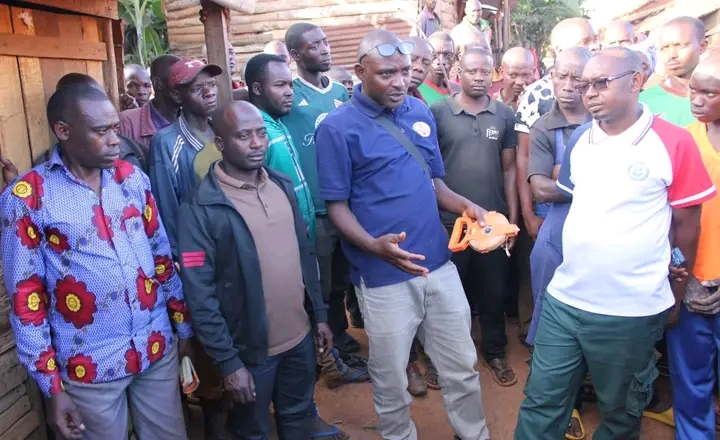
Local officials from the CNDD-FDD party, often accompanied by members of the youth league Imbonerakure, are actively conducting door-to-door visits to collect funds for the commemoration. This direct and personal approach ensures that nearly every household is contacted, leaving little room for residents to avoid contributing. This method of collection has been widely reported across various neighborhoods and hills within the commune of Kirundo. The direct involvement of party officials and the youth wing shows the organized nature of these fundraising efforts at the local level, suggesting a coordinated campaign to secure the necessary financial backing for the commemorative events. The presence of the Imbonerakure, known for their strong allegiance to the ruling party, can also be interpreted by residents as an additional layer of pressure to comply with the demands.
Manque de Transparence et Craintes
Local residents in Kirundo claim they are compelled to contribute financially to the commemorative ceremonies without exception. This requirement reportedly applies to various segments of the population, regardless of their political affiliation or socio-economic status, reinforcing the perception of a mandatory levy rather than a voluntary donation. The widespread nature of these demands has generated significant apprehension among the community members.
A critical point of contention and a source of deep concern among the contributors is the complete absence of official documentation for their payments. When funds are handed over, no official receipts are issued to the contributors. Instead, their names are simply recorded in notebooks, a practice that has raised profound concerns among the local population regarding accountability and proper financial management. This informal method of documentation significantly contributes to a perceived lack of accountability regarding the collected monies, fueling suspicions about their ultimate destination and use.
Several residents have vocally voiced complaints about a widespread lack of transparency in the management of the funds being gathered for the commemoration of the late Pierre Nkurunziza. The absence of formal documentation, coupled with the reliance on handwritten lists in notebooks, has intensified suspicions regarding how these contributions are being handled and ultimately utilized. The financial demands placed on various groups, ranging from civil servants and non-affiliated citizens to traders, are reportedly made without clear oversight mechanisms or any public accounting of the funds. This opacity fosters an environment where trust is eroded, and questions about potential misuse or misappropriation of funds remain unanswered. Many residents fear that without proper receipts or a transparent accounting process, there is no way to verify that their contributions are used for their stated purpose, leading to a sense of exploitation and injustice.
Contexte Historique et Politique
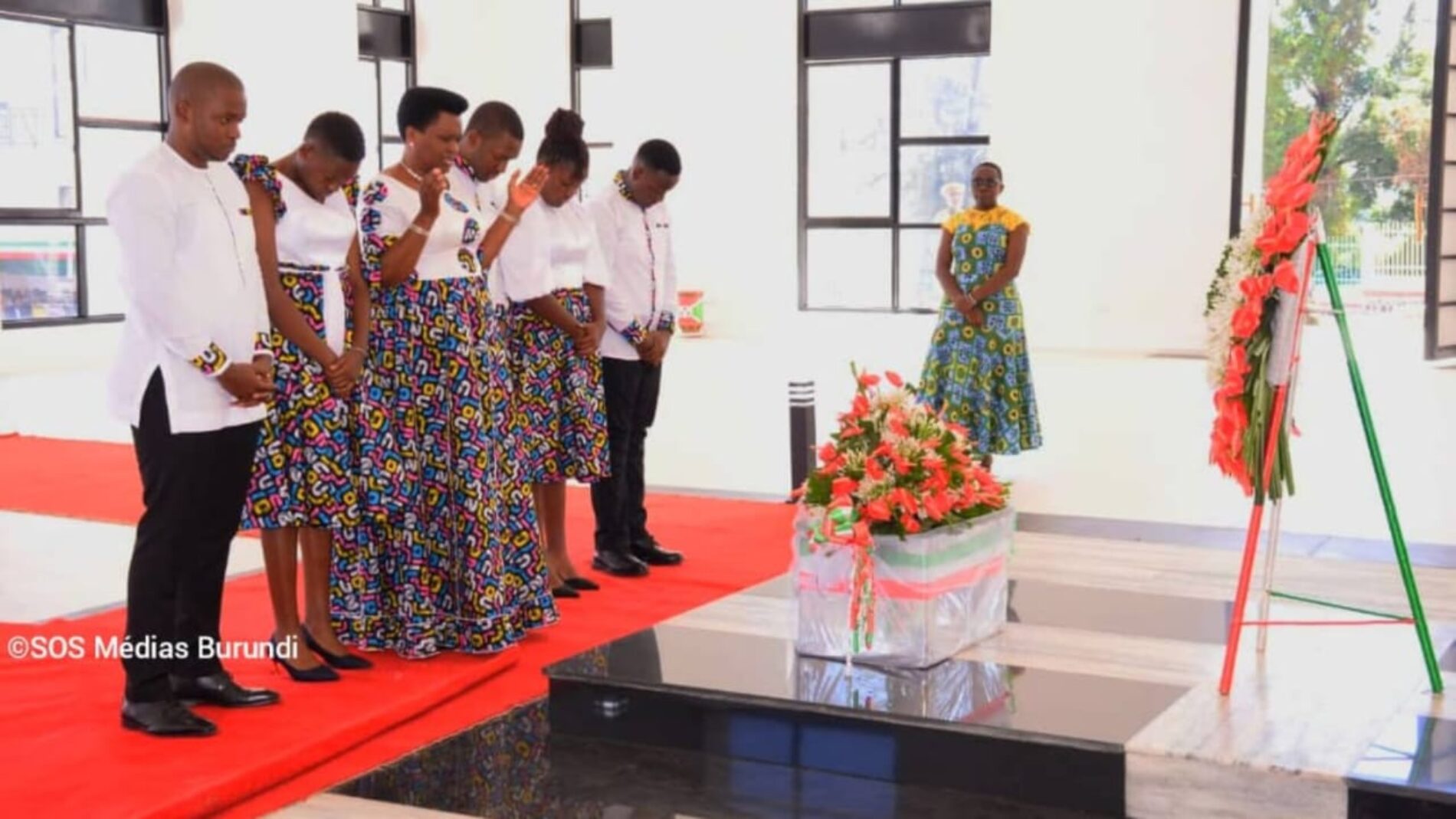
The annual commemoration on June 8 in Gitega consistently mobilizes political and administrative structures across Burundi. These yearly events serve as a significant occasion for the ruling party and government apparatus to honor the late leader, often involving extensive coordination and participation from various state and party-affiliated bodies. The scale of the mobilization reflects the importance placed on these commemorative activities within the country's political landscape, signifying a continued reverence for Pierre Nkurunziza's legacy. This widespread mobilization extends beyond financial contributions, encompassing human resources and logistical support from various levels of government and party organizations.
Pierre Nkurunziza served as the President of Burundi for 15 years before his death in 2020. His long tenure, which began in 2005 following a devastating civil war, profoundly shaped the country's political direction and established a legacy that continues to be recognized and celebrated through events such as the annual commemoration in Gitega. During his presidency, Nkurunziza oversaw significant political developments, navigating a complex post-conflict environment and consolidating power. His leadership left an indelible mark on Burundi, making his annual commemoration a key event for the ruling CNDD-FDD party to reinforce its historical narrative and political continuity. The elaborate nature of these ceremonies, therefore, is not merely an act of remembrance but also a powerful political statement, demonstrating the party's continued influence and its dedication to upholding the memory of its former leader. The mobilization of resources and citizens for these events shows their symbolic and practical importance in the contemporary Burundian political scene.