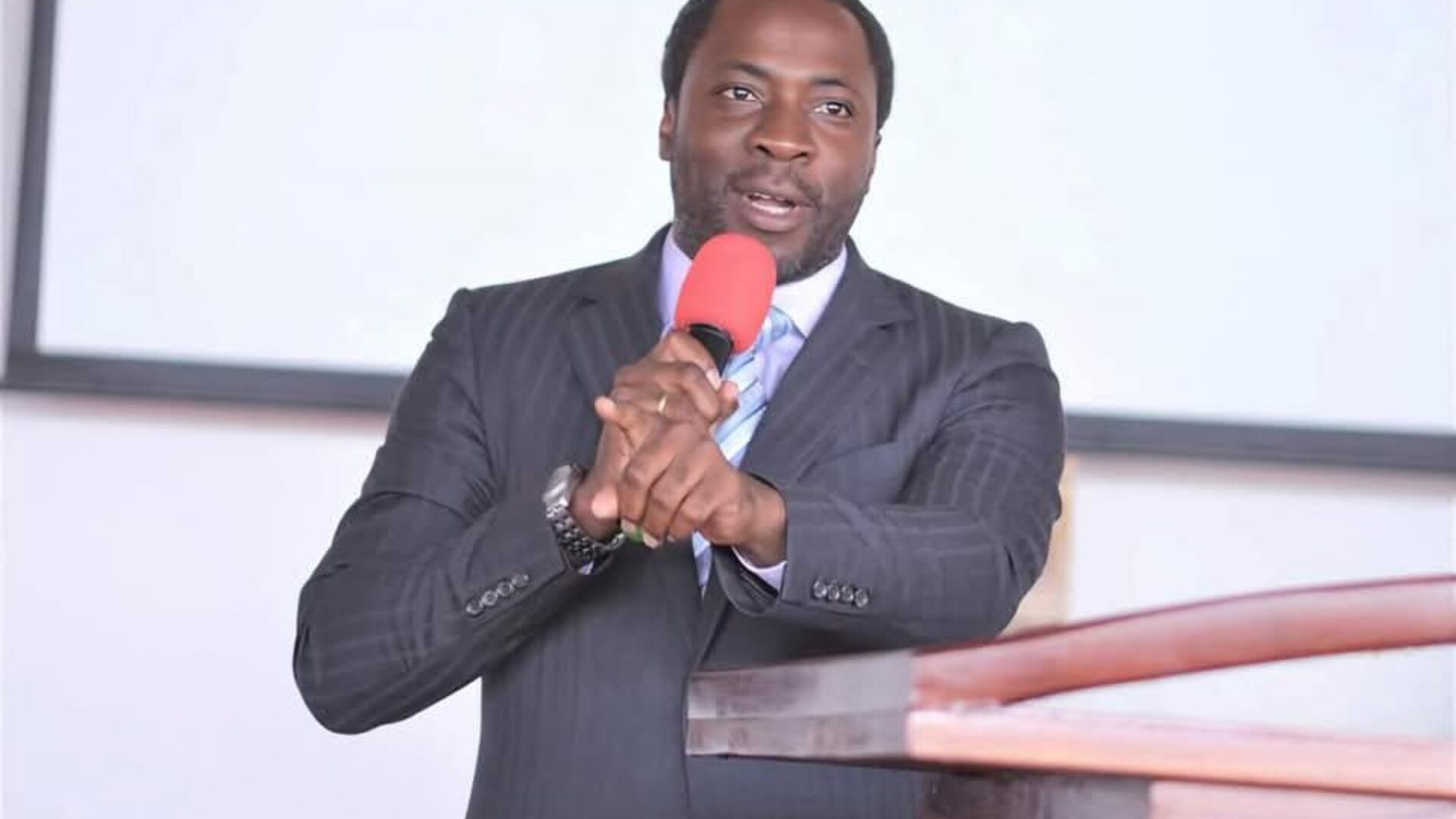
Babunga Benjamin Watuna, a Congolese national, was arrested on Tuesday, May 27, 2026, in Bujumbura, Burundi's economic capital. The arrest, which has drawn significant attention, was carried out by Burundian intelligence services. The detention is reportedly linked to accusations that Mr. Watuna collaborated with the Alliance Fleuve Congo (AFC)/M23 rebel movement, a group that has been highly active in the neighboring Democratic Republic of Congo. Congolese security services reportedly requested the intervention of Burundian authorities to apprehend Mr. Watuna, signaling a coordinated effort between the two nations. This action comes amidst ongoing regional tensions concerning rebel activities and the complex political landscape of the Great Lakes region. The circumstances surrounding the arrest and the allegations against Mr. Watuna show the intricate web of security concerns and cross-border cooperation in the area.
Analyst's Background and Allegations
Babunga Benjamin Watuna is accused of publishing critical analyses on platforms such as Facebook and X, concerning the administration of President Félix Tshisekedi and the deteriorating security conditions in the Eastern Democratic Republic of Congo. In Eastern DRC, particularly among some segments of the population, Mr. Watuna is considered an independent analyst, known for his outspoken views on regional affairs. However, others hold a different perspective, alleging that he maintains close ties to Rwanda or the M23 movement, accusations that he has not publicly addressed. These differing perceptions highlight the polarized environment in which discussions about the conflict in Eastern DRC take place.
Before his arrest, Mr. Watuna was active in the humanitarian sector, where he dedicated his efforts to supporting vulnerable populations. During his time in this field, he collaborated with several prominent international organizations, contributing to various aid initiatives across the region. These organizations include AMI, ADRA, ZOA, Mercy Corps, Save the Children, CARE, and UNOPS, indicating a broad range of experience in humanitarian relief and development. His professional background in humanitarian work provides a contrast to the political accusations now leveled against him. He pursued his university studies in Burundi, establishing a connection to the country where he was eventually arrested. He maintained residences between Bujumbura, Burundi's economic capital, and Uvira, a town in the Democratic Republic of Congo, suggesting a life lived across borders, common for many in the region. His immediate family, including his wife and children, currently reside in Belgium, adding another international dimension to his personal circumstances.
Eastern DRC Conflict and Regional Involvement
The M23 movement, a significant non-state armed group, resumed its activities in Eastern Democratic Republic of Congo in late 2021, marking a renewed escalation of conflict in the strife-torn region. This group is associated with the Alliance Fleuve Congo (AFC), which is led by Corneille Nangaa, a prominent figure in Congolese politics. The resurgence of the M23 has led to widespread instability and humanitarian crises. Between August 2022 and December 2025, tens of thousands of Burundian soldiers were deployed to Eastern Congo, playing a direct role in the regional conflict. These forces operated alongside the FARDC (Forces Armées de la République Démocratique du Congo), the national army of the DRC, and various allied groups, in concerted efforts against the M23. Following the M23's withdrawal from Uvira and the Rusizi plain, a strategic area, the Burundian army initiated new massive deployments via Lake Tanganyika towards South Kivu, indicating an ongoing and evolving military engagement in the area.
Fighting in the region continues to cause significant displacement of civilian populations, leading to a dire humanitarian situation with millions forced from their homes. The Democratic Republic of Congo, particularly its capital Kinshasa, consistently accuses neighboring Rwanda of providing substantial support to the M23 group, including military aid and personnel. Kigali, the capital of Rwanda, vehemently denies these accusations, instead stating that the Democratic Republic of Congo and Burundi support the Democratic Forces for the Liberation of Rwanda (FDLR), a Hutu rebel group with roots in the 1994 Rwandan genocide. This reciprocal blame game complicates efforts to de-escalate tensions and find lasting peace. A United Nations experts' report, published in 2025, further fueled these claims by mentioning the presence of thousands of Rwandan soldiers operating alongside M23 rebels in Eastern DRC, providing a significant international corroboration to Kinshasa's allegations. This report has been a key document in the ongoing diplomatic and military disputes in the Great Lakes region.
Precedent and Diplomatic Engagements
Reports indicate that Burundi has arrested and subsequently transferred several Congolese nationals to Kinshasa in recent years, establishing a pattern of cross-border law enforcement cooperation, or what some critics describe as extraditions. This pattern of arrests and transfers precedes the current detention of Babunga Benjamin Watuna, suggesting a pre-existing framework or understanding between the security services of both nations.
A notable instance of this cooperation occurred in 2025 when Burundian intelligence services arrested Laurent Ruboneka, an employee of the Democratic Republic of Congo's embassy in Burundi. Mr. Ruboneka was subsequently transferred to Kinshasa, noting the reach of these security operations even into diplomatic circles. This incident marked a significant instance of diplomatic involvement in such transfers, raising questions about diplomatic immunity and the extent of bilateral security agreements.
The arrest of Mr. Watuna on May 27, 2026, followed a high-level diplomatic meeting held in Bujumbura, showing the potential for direct state-to-state coordination in such sensitive matters. On May 26, 2026, just one day before Mr. Watuna's apprehension, Guy Kabombo Muadiamvita, the DRC's Vice-Prime Minister in charge of Defense, was received in Bujumbura by Marie Chantal Nijimbere, Burundi's Minister of Defense. The meeting between the two defense officials, occurring so close to the arrest, suggests a deliberate and perhaps pre-arranged action. This engagement shows the ongoing bilateral discussions between the two nations amidst widespread regional security concerns, particularly those related to rebel group activities in Eastern DRC. The presence of such a senior Congolese official in Burundi immediately prior to the arrest strongly suggests a coordinated effort between the two countries' security and defense establishments, aiming to address perceived threats to regional stability.