Congolese refugees at the Makombe transit center in Rumonge commune are experiencing improving living conditions, according to recent observations and reports from humanitarian organizations operating in the area. These improvements include a significant decrease in the number of patients suffering from malnutrition within the center, marking a positive development in the health and well-being of the refugee population. A health post operates inside the Makombe center, providing immediate medical attention and primary care services to refugees. For more serious cases requiring specialized treatment or advanced medical facilities, the center maintains the capability to transfer patients to the Rumonge hospital for full care. The overall assessment indicates a notable enhancement in the daily lives of those residing at the facility.
Daily Sustenance and Health Initiatives
Refugees at the Makombe transit center receive a consistent provision of meals, with each individual having access to two or three meals daily, depending on their specific needs and vulnerability status. This structured approach to food distribution aims to ensure adequate nutrition for all residents. Water supplies have become abundant and readily accessible following the installation of boreholes by the Amazi water project, significantly improving hygiene and reducing the risk of waterborne diseases.
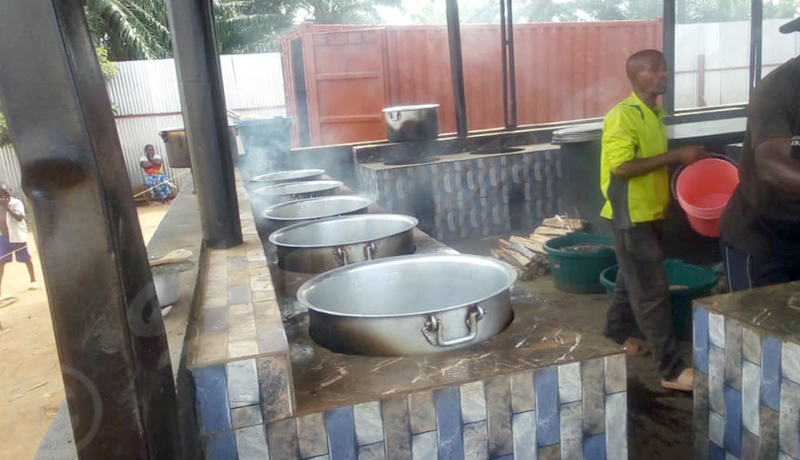
In the mornings, a targeted nutritional program ensures that children, the elderly, pregnant women, and breastfeeding mothers are provided with bread and porridge. This key initiative is made possible through the combined efforts of the association Giriyuja and the NGO Street Child, focusing on the most vulnerable members of the community. The midday meal, which consistently consists of corn paste and beans, is distributed to each refugee thanks to the ongoing support from the Stam Foundation. This staple meal provides essential carbohydrates and protein. For the evening meal, the Yuwam Church generously provides rice and beans to the residents of the center, rounding out the daily nutritional intake for the refugee population. These coordinated efforts from various organizations are central to maintaining the health and sustenance of the refugees.
Persistent Needs and Security Concerns
Despite the notable improvements in some areas, women residents at the Makombe transit center have expressed concerns regarding the ongoing lack of essential hygiene items, specifically dignity kits and soaps. These items are key for maintaining personal hygiene and dignity, especially for women and girls. Refugee parents also report that their children do not have access to schooling opportunities while residing at the facility, raising concerns about the long-term educational development and future prospects of the younger generation. The absence of educational provisions represents a significant gap in the support provided to refugee families.
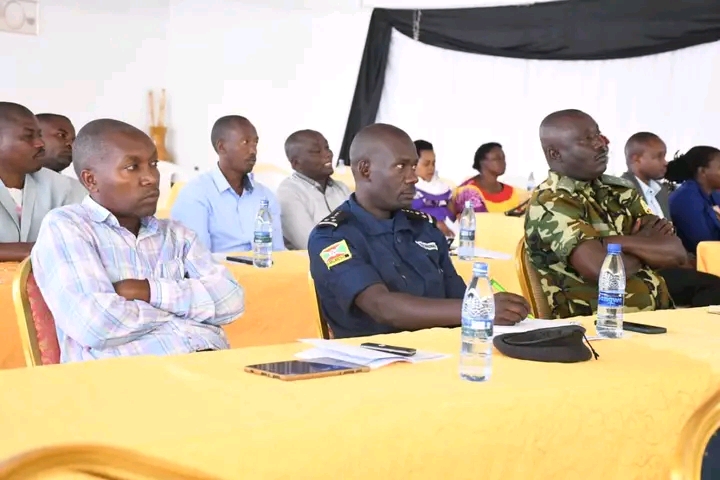
The center also faces ongoing security challenges that impact the overall living environment. Among these issues is the theft of mattresses by some refugees. These individuals are reportedly returning to their home country to sell the stolen items clandestinely, undermining the resources available to the community and creating an atmosphere of mistrust. In response to these infractions and to maintain order, a judicial police officer (OPJ) has been assigned to the Makombe center. The officer's role is specifically to repress certain offenses and to maintain discipline and security within the refugee population, addressing criminal activities and ensuring a safer environment for all residents.
External Support and Connectivity Enhancements
Refugees at the Makombe transit center now benefit from a high-speed internet connection, enabling them to communicate with the outside world without problems. This vital connectivity provides a key link for individuals to maintain contact with family members, access important information, and stay abreast of developments beyond the center's confines. The improved internet access represents a significant advancement in facilitating external communication for the center's residents, offering a sense of connection and reducing feelings of isolation. This technological integration is a key component of the broader efforts to enhance the well-being and integration of the Congolese refugees within the Makombe transit center.