A young Congolese refugee has been reported missing since Thursday morning from Dzaleka camp in Malawi. The disappearance occurred after witnesses observed the individual around 5 AM local time when a car stopped near him. This incident took place close to the camp's central parking area, according to reports from Dzaleka. The refugee's identity has not yet been released. The event marks a concerning development within the camp, where security has become an increasing point of discussion. Investigations into the circumstances surrounding the disappearance are expected to commence, with police authorities confirming the initiation of an official inquiry.
Details of Disappearance
The missing young man, a national of the Democratic Republic of Congo (RDC), lived in the New Katuza area of Dzaleka camp. According to reports, individuals in the car allegedly forced the refugee into the vehicle before driving away from the camp. This alleged abduction occurred in the early morning hours, around 5 AM local time, near the central parking area of the sprawling refugee settlement. The circumstances surrounding his disappearance have raised significant concerns among the camp's residents and local authorities. Investigations into the incident are anticipated to provide more clarity on the sequence of events that led to the refugee's vanishing, aiming to uncover the identities of those involved and the motive behind the incident. The police have stated they have opened an investigation to find the young refugee.
Camp Context and Insecurity
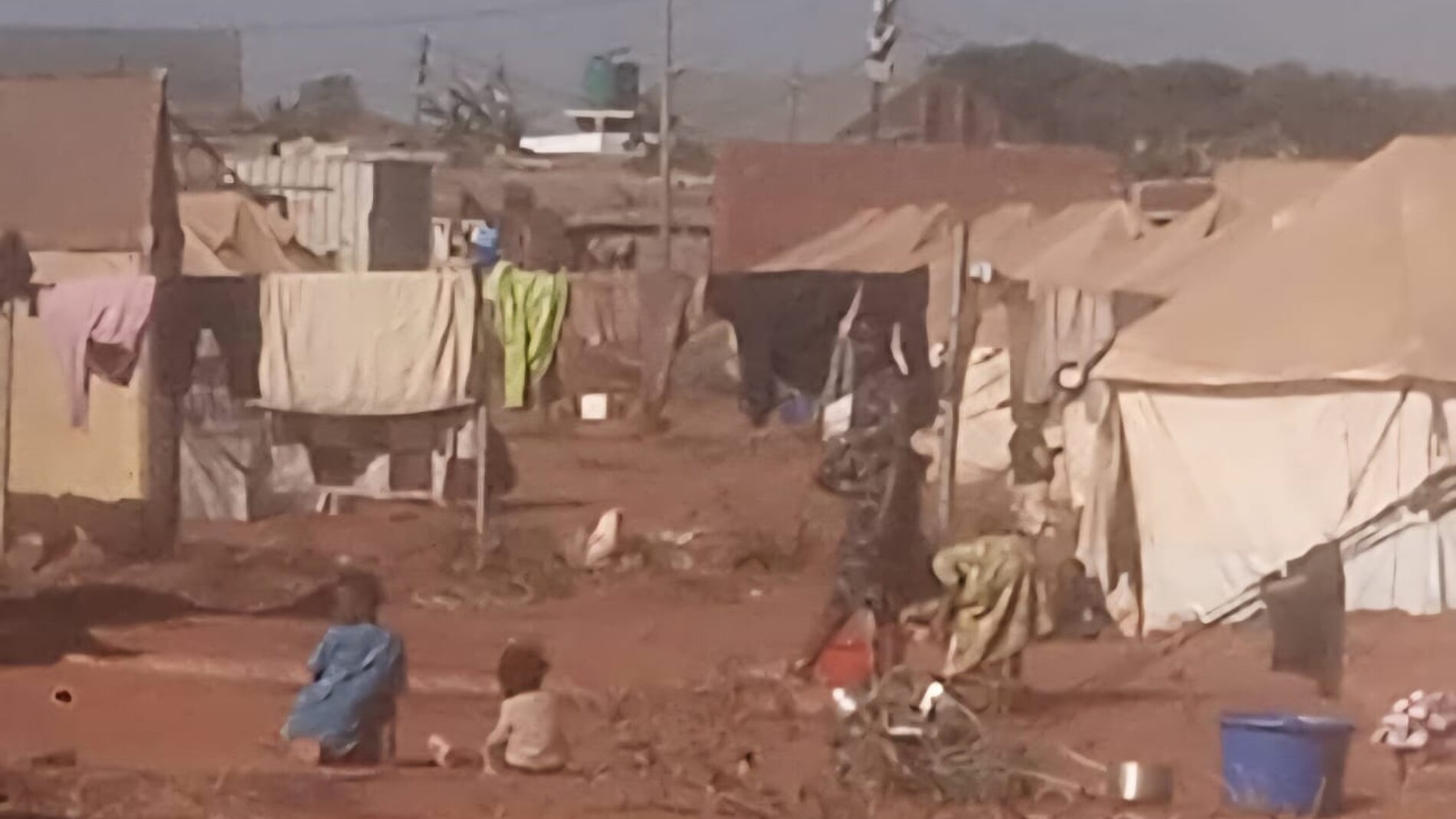
The missing Congolese national occasionally engaged in commercial activities within the Dzaleka camp, a common livelihood strategy for many residents. Refugees residing in Dzaleka have reported an increase in insecurity impacting young people and small traders, specifically those from the Democratic Republic of Congo, Burundi, and Ethiopia. This rise in criminal activity and perceived threats has generated a climate of apprehension within the community. Dzaleka camp, situated in Malawi's Dowa district, currently provides shelter to over 50,000 refugees. This substantial population includes more than 11,000 individuals from Burundi, noting the diverse origins of its inhabitants. The camp was established in 1994, originally to host refugees fleeing the Rwandan genocide. Its continued operation shows the protracted nature of displacement in the region, with its current residents representing a diverse group of nationalities seeking asylum and protection. The reported rise in insecurity has become a significant concern for the camp's inhabitants, affecting their daily lives and economic activities.
Refugee Community Concerns
The family of the missing Congolese refugee formally reported his disappearance to the camp police station at Dzaleka, initiating the official investigation. Residents within the camp have indicated growing anxieties regarding the incident, viewing it as a stark example of the deteriorating security situation. Some residents suspect the complicity of security agents in what they describe as an organized banditry network operating within Dzaleka. This suspicion contributes to a broader sense of insecurity among the refugee population, eroding trust in the very institutions meant to protect them. The disappearance of the young man has further heightened these concerns, particularly among those involved in commercial activities, who often find themselves vulnerable to such schemes. The perceived involvement of security agents in these criminal acts makes the situation even more alarming for the camp's inhabitants, who rely on these authorities for their safety and well-being.
Broader Implications
Police authorities have confirmed the initiation of an investigation to locate the missing young Congolese refugee from Dzaleka camp. This development follows official reports filed by the refugee's family regarding his disappearance from the camp. The incident shows the urgent need for enhanced security measures and transparent investigations to address the growing concerns of the refugee community in Dzaleka. The safety of vulnerable populations, particularly those engaged in commerce, remains a critical concern for humanitarian organizations and local authorities operating within the camp. The outcome of this investigation will be key in restoring confidence among the residents and in addressing the systemic issues contributing to the reported rise in insecurity.