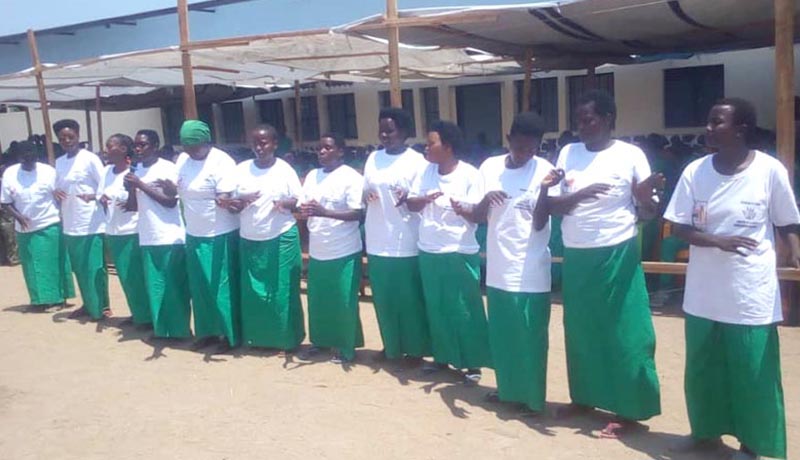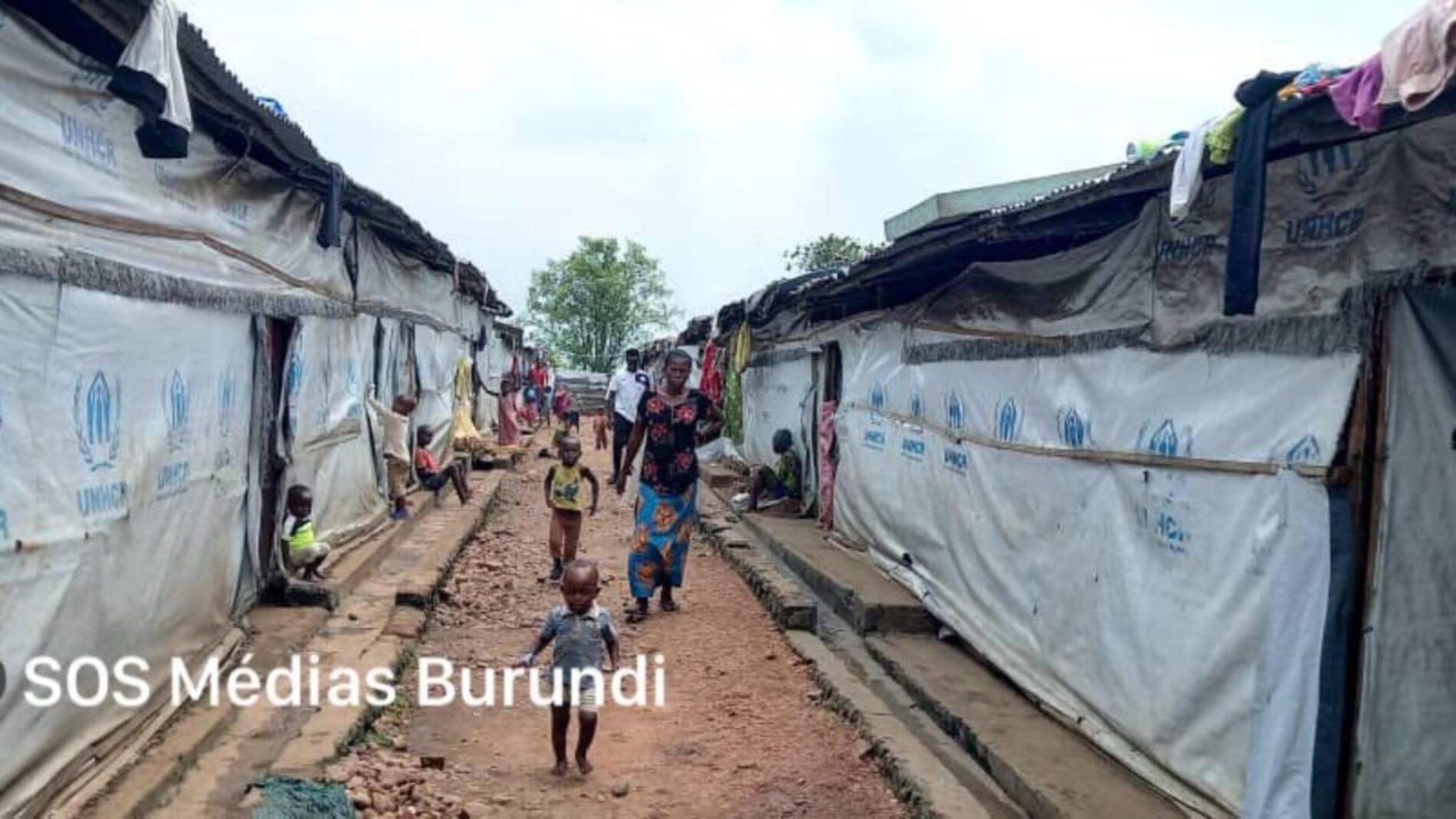
Congolese teachers, currently residing as refugees at the Cishemere transit center in Cibitoke commune, located in Bujumbura province, western Burundi, are urgently appealing to various authorities and international organizations. They are specifically requesting the HCR (UNHCR), ONPRA (Office National de Protection des Réfugiés et Apatrides), and Burundian authorities to facilitate their voluntary repatriation to the Democratic Republic of Congo. This request comes at a critical time, as the new school year is scheduled to commence in early September, prompting these educators to seek a timely return home before educational activities resume in their country of origin. Their collective plea shows a deep desire to resume their professional lives and reunite with their families.
Precarious Life in Cishemere
After enduring nearly nine months of precariousness and uncertainty, many Congolese teachers residing at the Cishemere transit center express a profound wish to reunite with their families and resume their professional positions. They aim to return to the schools where they taught before their displacement. One teacher, whose experience mirrors that of many others, reported spending nearly nine months in the Cishemere transit center under exceptionally difficult conditions. These challenging circumstances include persistent hunger and severely limited access to essential healthcare services. This particular teacher voiced a strong desire to return to Luvungi, a town in South Kivu, with the immediate goals of rejoining their family and resuming their teaching post. The challenges noted by this individual are widespread among the refugee teacher population, emphasizing the critical urgency of their repatriation requests as the new academic year rapidly approaches. Their prolonged displacement has not only impacted their personal well-being but has also significantly disrupted their livelihoods and the stability of their families. The lack of resources and the uncertain future contribute to a daily struggle for these educators.
Union Advocacy and Return Process
The Syndicat des Enseignants de Carrière (SEC) has officially expressed its strong support for the teachers' request for repatriation. The SEC indicates that a number of the affected teachers have already obtained official invitations or documents, specifically asking them to resume their teaching duties in the Democratic Republic of Congo. These documents serve as a clear signal from their home country that their professional services are still needed and awaited. The process of voluntary repatriation has, in fact, already commenced for some Congolese refugees from the Busuma site in eastern Burundi. These returnees are traveling to the Kavimvira transit center, situated in Uvira territory, South Kivu, as a key step in their journey back home. The United Nations High Commissioner for Refugees (UNHCR) has observed a noticeable decrease in the population within transit centers such as Cishemere and Makombe. This trend is attributed by the UNHCR to both spontaneous and organized returns of refugees to the Democratic Republic of Congo, signaling a broader movement of people returning to their home country. This ongoing process offers a glimmer of hope for the teachers at Cishemere.
Regional Refugee Context
The ongoing crisis in the eastern Democratic Republic of Congo has had devastating humanitarian consequences, leading to the displacement of more than one million Congolese citizens into neighboring countries. This substantial exodus shows the severe instability and conflict prevalent in the region. Burundi, as one of these neighboring nations, has experienced a significant influx of these refugees, with the number estimated to exceed 100,000 individuals. This large refugee population places considerable strain on Burundi's resources and infrastructure. Encouragingly, voluntary return movements to the Democratic Republic of Congo are currently underway for some of these individuals, indicating a gradual shift in the regional displacement dynamics. The efforts of organizations like the UNHCR and ONPRA, in collaboration with national authorities, are key in managing these complex movements and ensuring the safe and dignified return of those who choose to go back to their home country. The plight of the Congolese teachers in Burundi is a poignant example of the broader challenges faced by displaced populations in the Great Lakes region.