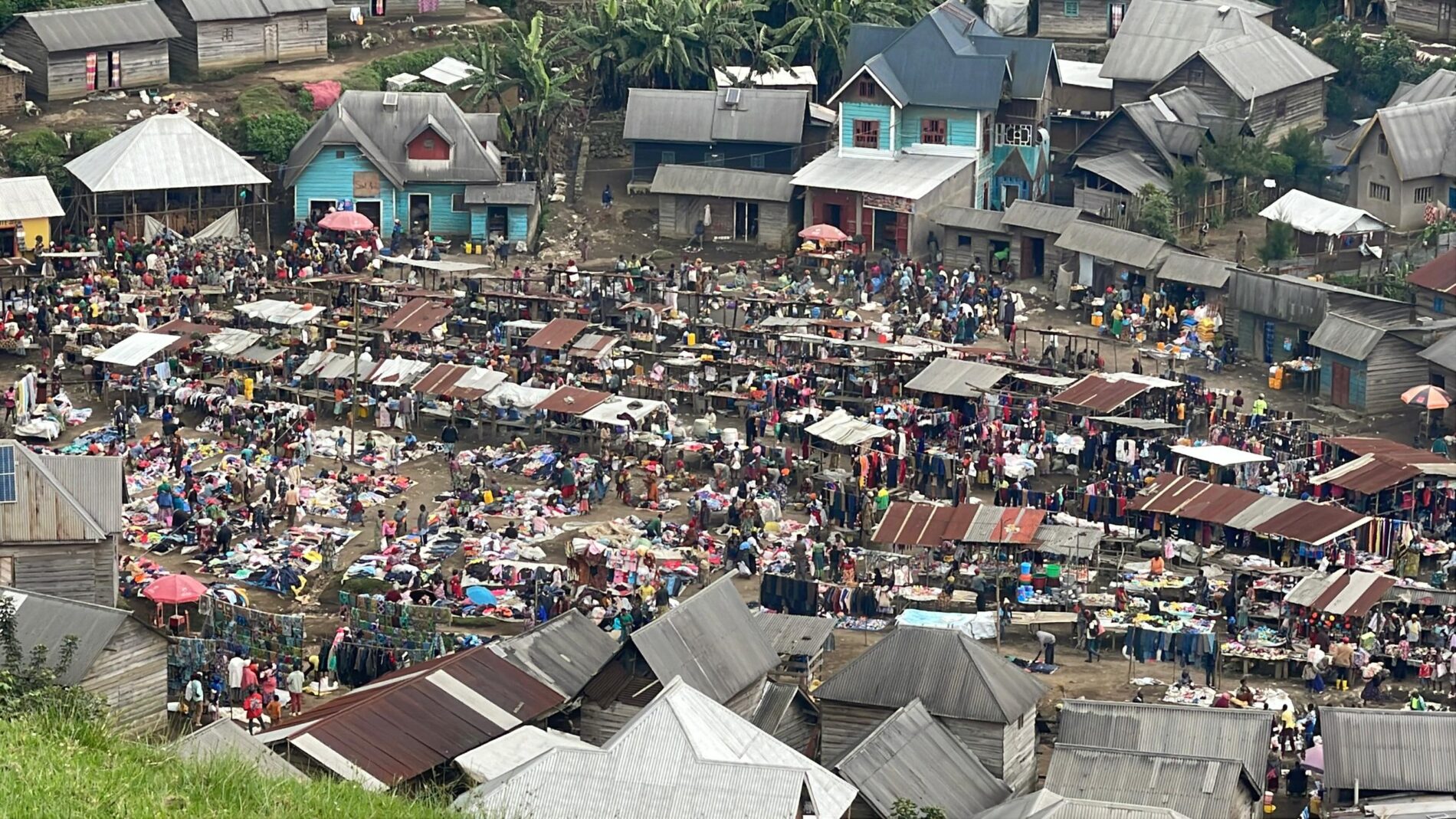
A military drone, presumed to belong to the FARDC, struck the center of Mushaki in the Masisi territory, Nord-Kivu, on Friday, May 8, 2026. This precision strike, occurring in a densely populated area, immediately caused widespread panic at the central market in Mushaki. As a direct result of the strike, residents fled the area in disarray, seeking refuge in surrounding communities to escape the immediate danger and aftermath of the attack. The incident has since drawn significant international attention and condemnation.
Mushaki Market Under Fire
The drone strikes impacted a busy commercial area, specifically targeting the central market, a vital hub for local commerce and daily life. This devastating attack resulted in more than twenty deaths and over 60 injuries, according to several local and rebel sources who provided initial assessments of the casualties. The sheer number of fatalities and wounded individuals shows the severity of the strike and its indiscriminate impact within the bustling market environment.
Witnesses present during the incident claimed the strike specifically targeted Brigadier General Justin Gacheri Musanga, a senior M23 officer. Musanga was reportedly attending a meeting with political officials and the territorial administrator at the time of the attack, suggesting a deliberate attempt to neutralize a high-ranking figure within the M23 command structure. The presence of such a meeting in a public commercial area raises questions about the intelligence guiding the strike and the potential for civilian collateral damage. The Alliance Fleuve Congo (AFC/M23) later reported that the bombings caused the deaths of at least 20 civilians and injured over 57 individuals, a figure that specifically included women and children, noting the tragic human cost of the military operation.
History of Attacks in Region
Mushaki has experienced a troubling pattern of violence, with this being the fourth reported attack in the area since 2024. This recent incident is part of a series of strikes that have destabilized the region and heightened tensions.
On January 19, 2024, a farm belonging to former president Joseph Kabila was targeted in Mushaki. Sources at the time suggested the FARDC CH-4 drones were used in that incident, indicating a consistent use of this type of aerial asset by the Congolese military. Joseph Kabila was later sentenced to death in September 2025 by the Congolese High Military Court, accused of being "head of the AFC/M23 coalition," a charge that links him directly to the rebel group and provides a potential motive for the earlier targeting of his property.
Subsequent strikes occurred on February 24, 2026, and March 7, 2026, reportedly targeting rebel positions within Mushaki itself and on Misekera hill, another strategic location in the ongoing conflict. These earlier attacks, while also involving drone technology, appear to have focused more on military objectives rather than the civilian infrastructure that was impacted in the latest incident.
Beyond Mushaki, the broader region has also been subjected to similar drone operations. A drone attack in Goma on March 11, 2026, resulted in the tragic death of French humanitarian worker Karine Buisset, an UNICEF employee, showing the dangers faced by non-combatants in the conflict zone. In the Minembwe region, strikes in Kakenke and Mikenke, as well as Lumbishi and Rutare, reportedly caused civilian casualties, including a 14-year-old boy and a centenarian woman, further illustrating the devastating impact of these aerial operations on the civilian population.
Broader Conflict Dynamics
The M23, an ex-Tutsi rebellion, resumed arms in 2021 and has since become a significant player in the volatile eastern Democratic Republic of Congo. The group is now integrated into the Alliance Fleuve Congo (AFC), a broader coalition led by Corneille Nangaa, further complicating the conflict landscape. The M23 has also claimed to have conducted at least two attacks against the drone command center in Kisangani, indicating a strategic effort to counter the FARDC's aerial capabilities. In February 2026, Colonel Willy Ngoma, the military spokesperson for the M23, was killed in the Rubaya mining area, marking a significant loss for the rebel group's leadership.
The conflict is characterized by a complex web of accusations and denials among regional actors. Kinshasa, the capital of the Democratic Republic of Congo, consistently accuses Kigali, the capital of Rwanda, of supporting the M23, an allegation Rwanda vehemently denies. Rwanda, in turn, accuses the Democratic Republic of Congo and Burundi of supporting the Democratic Forces for the Liberation of Rwanda (FDLR), another armed group operating in the region. This reciprocal blame game notes the deep-seated geopolitical tensions fueling the conflict. Between 2022 and 2025, Burundi deployed thousands of soldiers to eastern DRC, where they operated alongside the FARDC and Wazalendo militias, further integrating regional forces into the ongoing fight against various armed groups.
International Condemnation and Calls
The Alliance Fleuve Congo (AFC/M23) was quick to respond to the Mushaki market strike, reporting that the bombings resulted in the deaths of at least 20 civilians and injured over 57 individuals, specifically noting the presence of women and children among the casualties. The group described the attack as a "crime de guerre" and a "crime contre l’humanité," according to their statement, using strong language to condemn the FARDC's actions and call for international accountability.
The United Nations Organization Stabilization Mission in the Democratic Republic of Congo (MONUSCO) also weighed in, condemning the increase in violence against civilians. MONUSCO expressed particular concern regarding recent bombings observed in both Kilolirwe and Mushaki, calling for all parties to respect international humanitarian law and protect non-combatants. The international community continues to monitor the escalating situation, with calls for investigations into potential war crimes and increased protection for civilian populations caught in the crossfire.