The Burundian government intends to transfer the remains of former President Melchior Ndadaye and his collaborators to a new national memorial located at Kiriri, Bujumbura. This initiative aims to create a centralized and prominent site for the remembrance of the former president and those who perished alongside him. The project was initially announced in June during the adoption of the 2026-2027 budget law, signaling the government's long-term commitment to this memorialization effort. This plan involves relocating the remains to a dedicated site, aiming to consolidate the memorialization of Ndadaye and those who died alongside him, thereby establishing a singular national tribute.
Government's Memorial Plans
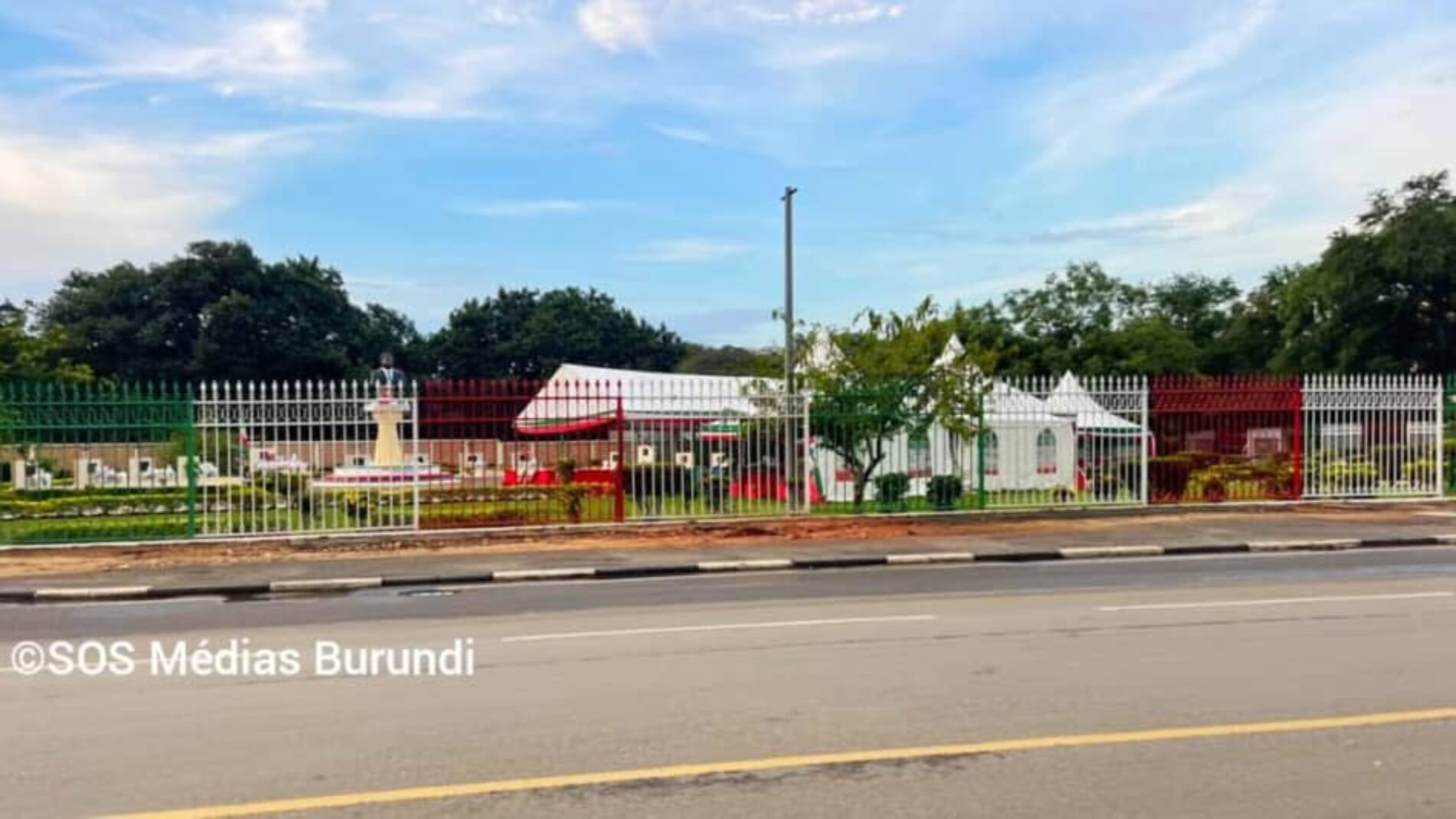
The government's plan involves creating a national memorial at Kiriri, a site in Bujumbura that currently hosts the tomb of Prince Louis Rwagasore. The integration of Ndadaye's memorial alongside that of Prince Louis Rwagasore suggests an intention to place the former president within a pantheon of significant Burundian historical figures. For the construction and development of the memorial, an allocation of one billion Burundian francs has been designated, showing the financial commitment the government is making to this extensive project. This substantial budget will cover the necessary infrastructure and commemorative elements for the new site. The relocation of former President Melchior Ndadaye's remains to this location is part of a broader initiative to centralize the remembrance of Ndadaye and his collaborators, ensuring their legacy is preserved in a national monument.
Historical Context of Ndadaye
Melchior Ndadaye was assassinated on October 21, 1993, during a coup attempt. He held the distinction of being Burundi's first democratically elected Hutu president, a landmark achievement in the country's political history that symbolized a new era of democratic aspirations. His election was seen as a significant step towards national unity and representation. However, his assassination tragically cut short this nascent democratic period. Decades later, in 2020, the Supreme Court of Burundi delivered a significant ruling in the case surrounding his assassination, sentencing 17 out of 21 defendants to life imprisonment. This judicial decision provided some measure of accountability for the events that transpired in 1993, though the political and social repercussions have continued to resonate throughout Burundi.
Frodebu's Objections and Demands
The Frodebu party has formally rejected the project to transfer the remains of former President Melchior Ndadaye and his collaborators. The party's stance opposes the government's plan to relocate the remains to a new national memorial at Kiriri, Bujumbura, arguing that such a move should not proceed without the consent of the family and broader political consensus. Currently, the remains of Melchior Ndadaye are interred in the former royal palace of King Mwambutsa IV, situated in downtown Bujumbura, a location that holds historical significance for the family and supporters. Frodebu's objection shows a disagreement over the government's approach to the memorialization initiative, noting concerns about proper consultation and respect for the deceased's legacy.
Broader Implications
Frodebu has accused the government of wanting to decide alone on the fate of the memory of a democratically elected president. The party argues that such decisions should not be made without broader consensus or consultation, particularly given the sensitive historical context surrounding Ndadaye's death and legacy. Melchior Ndadaye's assassination in 1993 had significant repercussions, leading to widespread violence and a protracted civil war in Burundi. The United Nations reported that this conflict resulted in over 300,000 deaths, devastating the nation and leaving deep scars on its social fabric. The current dispute over the relocation of his remains notes ongoing sensitivities surrounding the former president's legacy and the country's past, demonstrating that the wounds from that period remain unhealed and continue to influence contemporary political discourse. The controversy shows the delicate balance required in national reconciliation and memorialization efforts.