Road construction activity has cut off water access for residents on 5th Avenue in Gitega's Nyamugari neighborhood since March 2026. The ongoing work has deprived homes of water supplied by Regideso, leading to significant disruption for the local community. This infrastructure development, intended to improve connectivity, has inadvertently created a severe humanitarian challenge for numerous households. The sudden cessation of a basic utility has forced residents to drastically alter their daily routines and expenditures, noting the critical importance of careful planning in urban development projects.
Daily Struggle for Water
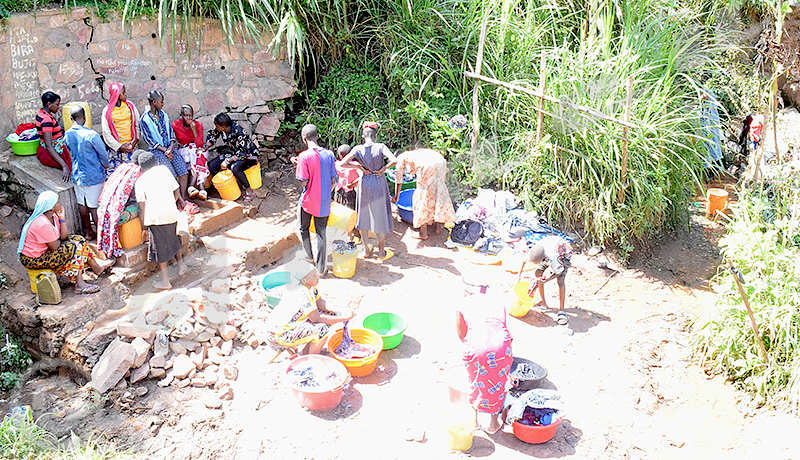
The burden of this water crisis falls disproportionately on certain segments of the population. Women, children, and domestic workers bear the primary responsibility for fetching water in the affected areas, frequently waking as early as 4 a.m. To undertake this arduous task. This early start is necessary to secure water before sources become overcrowded or depleted, adding hours of labor to their already demanding days. The disruption has led to a thriving parallel market for water, where a 20-liter jerrycan is now sold for 3,000 FBu. This price represents a significant increase for residents who previously relied on Regideso's piped supply, often paying a fraction of this cost for a much larger volume. For many families, this new expenditure places an immense strain on already tight household budgets. The daily routine for many households now centers on securing water, impacting schedules, children's schooling, and household budgets alike. The early morning hours are often spent traveling to alternative sources or purchasing from vendors, a time that was once dedicated to other domestic or personal activities. The scarcity has transformed a basic necessity into a costly commodity for those living on 5th Avenue in Gitega's Nyamugari neighborhood, fundamentally altering their quality of life.
Voices of the Affected
Residents of 5th Avenue in Gitega's Nyamugari neighborhood have been without a consistent water supply since March 13th. This specific date marks the beginning of the prolonged disruption, showing the duration of their struggle. The absence of piped water for over two weeks has forced many to seek alternative sources for daily needs, including drinking, cooking, and sanitation. Local residents now frequently fetch water from a nearby valley, but concerns about its quality are widespread. The water obtained from this valley is consistently described as having a bitter taste, a sensory indicator that raises immediate red flags. This distinct taste has led to significant doubts among the community regarding the water's purity and safety for consumption, particularly for children and the elderly. The reliance on this questionable valley water adds another layer of difficulty to the already challenging situation faced by those on 5th Avenue, forcing them to choose between scarcity and potential health risks. Residents are appealing to authorities to expedite the restoration of their normal water supply, emphasizing the urgent need for safe and accessible water.
The Cost of Convenience
The direct cause of the current water shortage stems from the road construction project. Workers engaged in tracing the new road unearthed Regideso water pipes, leading to the disruption of water supply to the affected sector. This action directly severed the connection, ceasing the flow of water to homes and initiating the crisis. The situation has intensified pre-existing challenges, as it exacerbates chronic water shortages in Gitega, the political capital, particularly during the dry season. Gitega, as the administrative and political heart of the nation, frequently contends with water scarcity during certain periods, making the current disruption even more impactful. The disruption adds significant strain to a period when water resources are already scarce, impacting residents who rely on the municipal supply for their daily needs. This incident notes the need for better coordination between infrastructure development projects and existing public utilities to prevent such foreseeable disruptions. The ongoing road construction project has thus introduced further complications to the city's infrastructure and public services, demanding immediate attention to restore essential services to the affected community.