Hygiene and sanitation are presented as fundamental rights and essential pillars of human development, rather than mere privileges. Indeed, these key aspects of public well-being should never be considered mere privileges, but rather inherent entitlements and foundational elements for societal progress. In Burundi, significant public sanitation issues continue to affect both urban centers and rural areas, where these challenges persist acutely. A clean and healthy environment is considered the bedrock for a healthy population, a dynamic economy, and a prosperous society within the nation, serving as the very foundation upon which these aspirations can be built.
Understanding Sanitation's Scope
Sanitation measures are understood to encompass a broad range of actions aimed at ensuring a healthy environment for the population. These include providing access to drinking water, the construction and maintenance of latrines, effective wastewater disposal, strong solid waste management, adequate rainwater drainage, and the promotion of good hygiene practices. All these components are vital for creating a full and effective sanitation system. Demographic growth and rapid urbanization within Burundi are observed to be placing increasing pressure on the country's existing infrastructure, exacerbating the challenges in maintaining adequate sanitation standards. The swift expansion of urban centers and the accompanying population increase strain resources and facilities, making the need for strong infrastructure even more critical.
The state is identified as having a central role in strengthening sanitation infrastructure, enhancing waste collection and treatment systems, and guaranteeing equitable access to drinking water for all citizens. This key role involves not only the development of new facilities but also the continuous improvement and maintenance of existing ones to meet the growing demands. Awareness campaigns are deemed necessary to foster a culture of cleanliness among the populace. These campaigns must be multiplied to effectively promote widespread adoption of hygienic practices and instill a collective responsibility towards environmental cleanliness. The successful achievement of these sanitation goals is stated to rely on a collective mobilization. This mobilization must involve authorities, local communities, civil society organizations, the private sector, and individual citizens working together towards common objectives, recognizing that success in this fight relies on the concerted efforts of all stakeholders.
Persistent Challenges and Health Impacts
Despite efforts by authorities, civil society organizations, and development partners, Burundi continues to face numerous challenges, including insufficient sanitation infrastructure, poor waste management practices, and ingrained daily habits. Many city neighborhoods and rural hills frequently exhibit abandoned household waste in public spaces, clogged gutters, and unsanitary water sources. These widespread realities, characterized by visible neglect of waste and infrastructure, are unfortunately common sights across various communities. These conditions promote the proliferation of mosquitoes, flies, and other disease vectors, creating an environment where health risks are significantly elevated. The presence of these vectors, thriving in unsanitary conditions, directly contributes to the spread of illness. They also create fertile ground for the spread of waterborne diseases such as cholera, diarrhea, dysentery, and typhoid fever, which pose serious threats to public health.
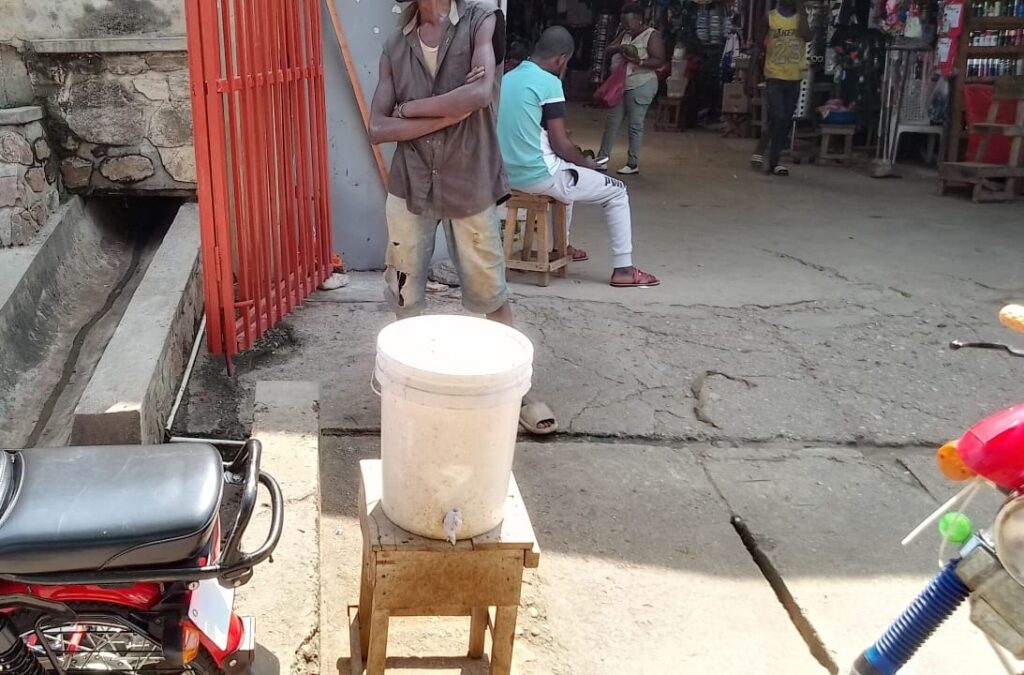
Children are often the primary victims of poor hygiene due to their fragile immune systems. This vulnerability places a significant burden on the health of the youngest population, leading to higher rates of illness and mortality among them. Regular handwashing with soap and water is recognized as one of the most effective and least expensive measures available to prevent many of these diseases. This simple yet powerful practice is a cornerstone of disease prevention, offering a cost-effective way to safeguard health. The consistent adoption of this basic hygiene rule can significantly reduce the incidence of communicable diseases, particularly among vulnerable groups.
Collective Action for a Healthier Future
Every citizen in Burundi is called upon to adopt responsible behaviors, including proper waste disposal, maintaining their immediate surroundings, participating in community clean-up efforts, and adhering to basic hygiene rules. This call to action emphasizes the individual's role in contributing to a healthier environment. Such responsible behaviors are not merely encouraged but are essential for the collective well-being of the nation. Sanitation is also considered an economic development issue, with a clean environment attracting investment and improving working conditions across the country. A pristine and well-maintained environment signals stability and progress, which are attractive qualities for both domestic and international investors. Improved working conditions, stemming from better sanitation, contribute to a more productive and healthier workforce, thereby boosting economic output. Investing in sanitation is viewed as a profitable investment for Burundi's future, yielding substantial returns not only in public health but also in economic prosperity. While cleanliness begins at each doorstep, its benefits are understood to extend to the entire nation, showing the interconnectedness of individual actions and national welfare. The cumulative effect of individual efforts creates a ripple effect that ultimately uplifts the entire society.