At least 1,468 journalists from over 60 countries were forced into exile between 2021 and 2025, according to a new report from Reporters sans frontières (RSF). The organization's findings indicate a significant increase in the number of media professionals compelled to flee their home countries due to persecution. This global trend notes the growing challenges faced by journalists worldwide, with many seeking refuge from threats and violence. The report details the scale of this forced displacement, showing the deteriorating conditions for independent reporting in numerous regions. The full analysis by Reporters sans frontières (RSF) reveals a distressing pattern of escalating pressure on journalists, forcing them to abandon their lives and careers in pursuit of safety. This exodus not only impacts the individual journalists but also severely curtails access to independent information in their home countries, thereby undermining democratic processes and human rights.
Global Exodus of Journalists
The number of countries experiencing forced exile of journalists rose from 19 in 2021 to 40 in 2025, according to data from Reporters sans frontières (RSF). This expansion indicates a broadening geographical scope of persecution driving media professionals from their homes. Since 2021, Reporters Without Borders (RSF) has provided support to nearly 1,500 journalists who have been forced into exile. This substantial figure shows the critical role played by organizations like RSF in offering a lifeline to those targeted for their work. The report emphasizes that the increasing number of affected countries points to a systemic global issue rather than isolated incidents, reflecting a widespread assault on press freedom. The significant rise in countries where journalists face such severe threats notes a concerning trajectory for media independence worldwide.
Hotspots of Persecution
Afghanistan remains the country most affected by journalist exile, according to Reporters sans frontières (RSF). Since the Taliban returned to power in August 2021, RSF has assisted 677 Afghan journalists in their exile. The situation in Afghanistan represents a profound crisis for media professionals, many of whom faced direct threats and severe restrictions on their ability to report freely. Dozens of Afghan journalists in Pakistan have reportedly been forcibly returned to Afghanistan as part of Islamabad's expulsion policy, a move that places them at grave risk and contravenes international protection principles. This forced repatriation further exacerbates the already dire situation for Afghan media workers seeking safety.
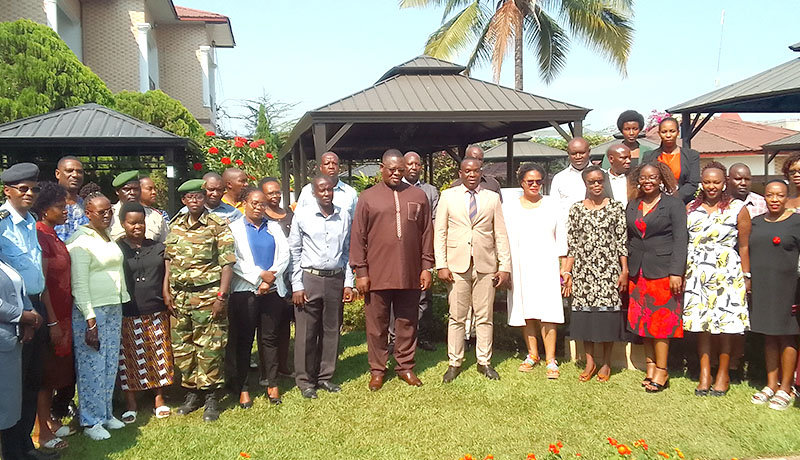
The deterioration of the security situation in the Great Lakes and the Sahel regions contributes to the expansion of journalist exile in Africa. In 2025, 21 Congolese journalists fled with RSF assistance, many finding refuge in Burundi or Uganda. The political instability, armed conflicts, and growing authoritarianism in these African regions create an increasingly hostile environment for journalists, who are often targeted for reporting on sensitive issues or challenging official narratives. The necessity for these journalists to seek asylum in neighboring countries notes the immediate and severe dangers they face in their home territories.
Elsewhere, the invasion of Ukraine in 2022 and stricter legislation against independent media accelerated departures of Russian journalists. Since 2021, RSF has supported at least 160 Russian journalists who have left their country. The crackdown on dissent and independent reporting within Russia has led to a significant brain drain of journalistic talent, with many seeking environments where they can practice their profession without fear of reprisal. This suppression of media freedom has profound implications for public access to unbiased information within Russia.
In Southeast Asia, more than a hundred Burmese journalists have left the country with RSF support since the coup d'état in February 2021. The military takeover in Myanmar triggered a brutal crackdown on independent media, forcing many journalists into hiding or exile. Approximately 300 Burmese journalists have reportedly found refuge in Thailand, illustrating the immediate and widespread impact of the coup on the country's media landscape. These journalists often face precarious living conditions and ongoing challenges in their host countries, even as they escape direct persecution.
Ongoing Threats and Calls for Protection
Reporters sans frontières (RSF) has called on states to enhance safeguards for exiled journalists. The organization advocates for measures such as emergency visas, streamlined residency and work permits, and strong protection against transnational threats. This appeal comes as journalists continue to face severe dangers in various regions. The ability to obtain legal status and employment is key for exiled journalists to rebuild their lives and continue their vital work, often from a distance. RSF stresses the importance of recognizing the unique vulnerabilities of these individuals and providing them with full support.
Since the beginning of 2026, six journalists have been killed across Mexico, Colombia, and Guatemala, noting the persistent risks faced by media professionals even in countries not typically associated with large-scale exile. These deaths show the extreme hazards inherent in investigative journalism, particularly when reporting on organized crime, corruption, or political violence. RSF's recommendations aim to provide a safer environment for those forced to flee their home countries due to persecution, as well as to protect those who remain on the front lines of reporting in dangerous territories. The organization emphasizes that international cooperation and strong legal frameworks are essential to stem the tide of violence and persecution against journalists globally.