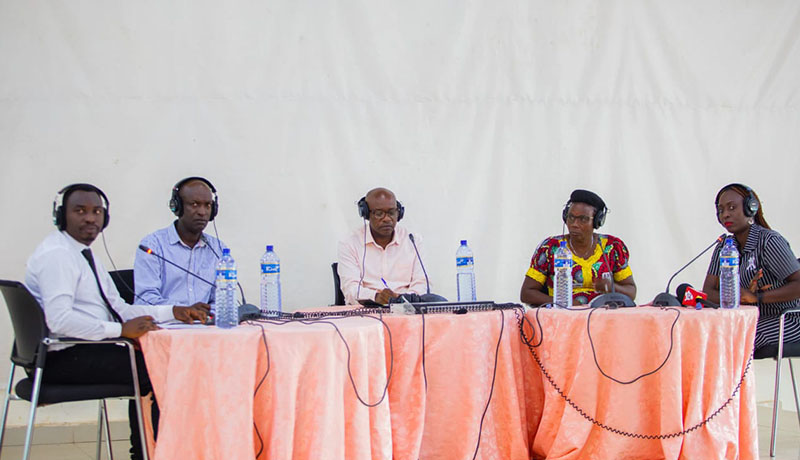
Communal taxes in Kayanza are currently subject to debates concerning transparency, challenges, and mistrust, issues that have long shadowed local revenue collection efforts. An electronic machine named 'E-Taxe' is now utilized for tax collection in Kayanza, aiming to streamline the process and address these long-standing concerns. The non-governmental organization La Benevolencija, in collaboration with eighteen partner media outlets, administrative authorities, union representatives, and members of the Communal Council, organized a conference-debate to address these critical issues. This collaborative effort brought together diverse stakeholders to deliberate on the future of tax administration in the commune. The discussions at the conference-debate focused intently on the implementation of the new digital tax system and its profound impact on local revenue collection. Stakeholders at the conference-debate explored methods to enhance public confidence in the tax administration system and overcome existing operational hurdles, recognizing that trust and efficiency are critical for sustainable development.
Revenue Growth and Digital Tools
Tax revenues in Kayanza are showing a clear progression due to the digitalization of the collection system. This positive trend shows the effectiveness of integrating modern technology into public finance management. Godefroid Niyonizigiye, the administrator of Kayanza commune, stated that the commune has observed significant revenue growth since 2023, marking a turning point in its financial trajectory. Monthly collections in Kayanza commune are approximately 80 million BIF, a figure that notes the consistent and substantial financial inflows generated through the new system. This increase reflects the tangible impact of integrating digital tools into the tax collection process, moving away from traditional, often less efficient, manual methods. The introduction of the 'E-Taxe' system has been instrumental in achieving these improved collection rates, providing a more transparent and accountable mechanism for taxpayers and administrators alike.
Niyonizigiye noted the administrative efforts undertaken to ensure the effective operation of the new system. "Nous avons formé les utilisateurs de ces machines et mis en place des encadreurs chargés du suivi afin d’assurer leur bon fonctionnement," Niyonizigiye said, explaining that users of the digital machines were thoroughly trained, and supervisors were appointed to monitor their proper functioning. This systematic approach aims to maximize the efficiency and reliability of the digital tax system, ensuring that personnel are well-equipped to manage the new technology. The training programs covered various aspects of the E-Taxe system, from basic operation to troubleshooting, empowering local staff to maintain its efficacy. The ongoing supervision further guarantees adherence to protocols and addresses any operational issues promptly, contributing to the system's overall success.
The financial data further illustrates the scale of collections within the commune, demonstrating the significant financial transformation underway. In November 2025, taxes collected amounted to 5,898,442,384 BIF, showcasing a strong performance in that period. The following month, December 2025, saw a further increase, with taxes collected reaching 7,223,733,985 BIF, indicating a strong year-end performance. These figures show the substantial financial inflows generated through the digitalized collection methods, far surpassing previous collection rates. The consistent reporting of these amounts contributes to greater transparency in public finance management, allowing for better oversight and accountability. The increased revenue has provided the commune with greater financial autonomy, enabling it to fund essential public services and infrastructure projects.
Persistent Challenges and Costs
Despite the advancements and notable revenue growth, the digitalization of tax collection faces persistent challenges that threaten to impede its full potential. These include a noted lack of taxpayer awareness regarding the new system, which often leads to confusion and resistance among the populace. Irregularities in revenue management have been identified, pointing to potential loopholes or inconsistencies in the system's implementation. Another significant hurdle is the high cost associated with the electronic machines used for tax collection, which places a financial burden on both the administration and individual merchants. These issues collectively complicate the smooth implementation and acceptance of the digital tax system across different communes, necessitating targeted interventions to address each problem. The initial enthusiasm for digitalization must be tempered with a realistic understanding of these operational and financial obstacles.
The cost of the electronic machines presents a significant hurdle for some merchants, particularly small and medium-sized enterprises. The direct cost for acquiring one of these machines is 1,500,000 BIF, which can be a substantial financial burden for small businesses and individual traders operating on tight margins. This expenditure adds to the operational costs for merchants, potentially impacting their willingness or ability to comply with the new digital collection methods. For many, this upfront investment is prohibitive, leading to non-compliance or delays in adopting the new system. The high cost of these devices also raises questions about equity and accessibility, especially for traders in rural or less affluent areas. Addressing this financial barrier is key for achieving widespread adoption and ensuring that the digital system benefits all segments of the trading community, not just those with greater financial capacity.
In Ruyigi commune, some merchants have experienced a sharp increase in their tax obligations following the introduction of the digital system, exacerbating concerns about fairness and economic impact. Taxes for these traders have risen dramatically from an initial 100 BIF to 500 BIF. This fivefold increase in tax payments has contributed to significant concerns among the merchant community about the economic implications of the digital transition, particularly for those with already slender profit margins. The sudden jump in tax amounts has led to questions about the methodology behind the new assessments and the fairness of the revised tax structure, prompting calls for greater transparency and consultation. Such sharp increases, without adequate explanation or transitional support, can erode public trust and lead to resentment towards the new system. This situation notes the need for careful calibration of tax rates and clear communication during the implementation of digital reforms.
Financial data from various communes notes disparities in collection performance, indicating that not all regions have seen uniform success with the new system. The commune of Bururi recorded the lowest tax collection figures, amounting to 46,734,012 BIF. This figure starkly contrasts with the higher collection rates observed in other areas, suggesting that the challenges impacting taxpayer awareness, machine costs, or revenue management irregularities may be more pronounced in certain communes. The varied collection results show the need for targeted interventions to address specific local obstacles to digital tax implementation, rather than a one-size-fits-all approach. Understanding the unique socio-economic conditions and administrative capacities of each commune is essential for tailoring effective strategies to improve tax collection. These discrepancies also point to the need for strong data analysis to identify underlying causes of underperformance and develop customized solutions.
Broader Context and Ministry Plans
A conference-debate focusing on the perception, management, and transparency of communal taxes took place in Kayanza commune on May 26, 2026. This important event aimed to discuss broader issues surrounding local tax administration and public trust, bringing together key stakeholders to foster dialogue and find solutions. The discussions at this forum were key for understanding the various perspectives on the new digital system and for identifying areas where improvements are needed. The engagement of community leaders, administrative authorities, and citizens in such debates is vital for building consensus and ensuring that reforms are well-received and effective. The outcomes of this conference-debate are expected to inform future policy decisions and strategies for enhancing tax governance.
The Ministry of Interior plans to digitalize the tax and tax collection system to enhance both transparency and management across various communes, extending the initiative beyond pilot regions. This ambitious initiative seeks to standardize and improve the efficiency of revenue collection processes nationwide, creating a more cohesive and effective financial administration system. The Ministry's vision is to replicate the successes observed in communes like Kayanza across the entire country, thereby boosting national revenue generation and improving public services. This full digitalization strategy is expected to involve significant investment in technology, training, and public awareness campaigns to ensure a smooth transition. The broader aim is to foster a culture of compliance and accountability throughout all levels of local government.
A verification mission conducted by the Ministry of Interior in November and December 2025 noted a significant increase in communal revenues, indicating positive trends in the financial performance of local administrations. This observation supports the ongoing efforts to digitalize tax systems and provides empirical evidence of their potential benefits. The findings of this mission serve as an encouraging sign for the Ministry's broader digitalization plans, reinforcing the belief that technology can indeed transform public finance management. The mission's report noted specific areas of improvement and also identified challenges, providing valuable insights for future policy adjustments. This data-driven approach is critical for refining the implementation strategy and ensuring that the digitalization efforts yield the desired outcomes across all communes.
Kirundo commune had established a revenue target of 2,154,589,785 BIF for the 2025-2026 budget year, reflecting its financial projections and goals for the fiscal period. This target demonstrates the commune's commitment to strong financial planning and revenue generation. As of April 2026, Kirundo commune had collected 1,589,032,000 BIF, demonstrating tangible progress towards its annual revenue objective. The collection figures for Kirundo highlight the commune's performance within the broader context of digital tax implementation and financial management, showcasing its capacity to achieve significant financial milestones. This performance indicates that with effective planning and implementation, communes can meet or even exceed their financial targets, contributing to local development. The ongoing monitoring of such targets is essential for assessing the effectiveness of the digital tax system and making necessary adjustments to ensure continued success.
Regional Parallels and Outlook
The situation in Ruyigi and Kirundo is described as almost identical to that observed in Kayanza, indicating similar challenges and advancements in tax digitalization across these regions. This regional commonality suggests that the lessons learned and best practices developed in one commune can often be applied to others, fostering a collaborative approach to digital transformation. Kayanza commune had originally planned for a maximum revenue collection of approximately two billion BIF for its budget, reflecting a conservative yet ambitious financial projection. However, the commune achieved a remarkable 115% realization rate of its budgeted revenue, significantly surpassing its initial expectations. This overachievement shows the profound positive impact of the digital tax system on local financial capacity.
The increased revenue collection in Kayanza has facilitated several local development projects, directly benefiting the commune's residents and enhancing their quality of life. These significant realizations include the supply of drinking water to ten zones within the commune, a critical improvement addressing a fundamental need for public health and well-being. This project has dramatically improved access to clean water for thousands of residents, reducing waterborne diseases and improving daily life. Additionally, construction is ongoing for the Maruri health center, which aims to improve local healthcare access and provide essential medical services closer to the community. This new facility will alleviate the burden on existing healthcare infrastructure and ensure more timely medical attention. The commune has also invested substantially in building several new connecting bridges, enhancing infrastructure and connectivity for residents, facilitating trade, and improving access to markets and services. These infrastructure projects are tangible examples of how enhanced tax collection, driven by digitalization, can directly translate into improved public services and sustainable development. The successful implementation of these projects serves as a testament to the effectiveness of the new tax system and the dedicated efforts of the communal administration.