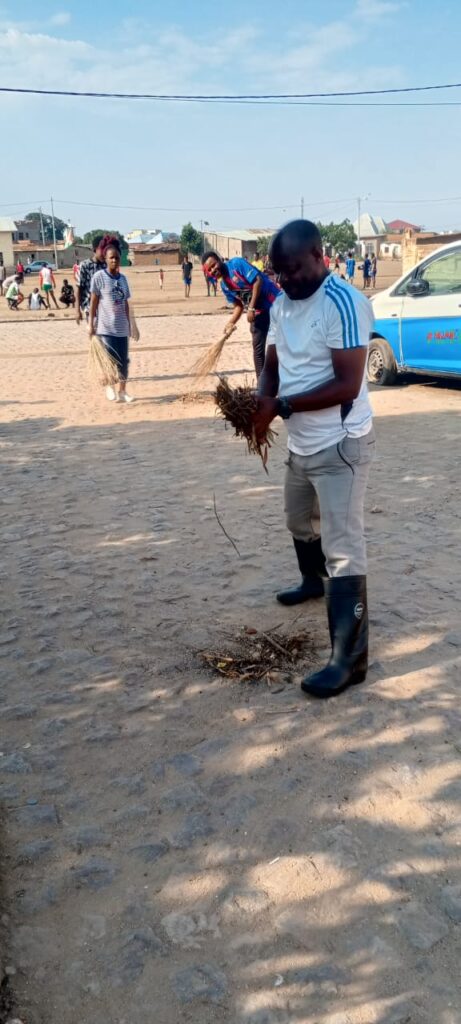
Administrative authorities, technical services, and residents in Kinama Zone, Ntahangwa commune, are collaborating to enhance environmental cleanliness, aiming to improve hygiene and sanitation. This concerted effort shows a shared commitment across the community to foster a healthier living environment for all its inhabitants. Daniel Nyambere, the zonal advisor for the environment, discussed these extensive efforts in an interview with 'Le Renouveau du Burundi' on Thursday, June 18, 2026. His remarks noted the critical importance of these initiatives for the well-being of the zone. The collective actions in Kinama zone reflect a shared desire to create a healthier living environment, emphasizing proactive engagement from all sectors. Nyambere emphasized that a clean environment serves as a guarantee of good health and is considered an essential factor for both community development and overall well-being. He further elaborated that improving environmental conditions directly contributes to the quality of life and future prosperity of the region's population.
Community Efforts and Progress
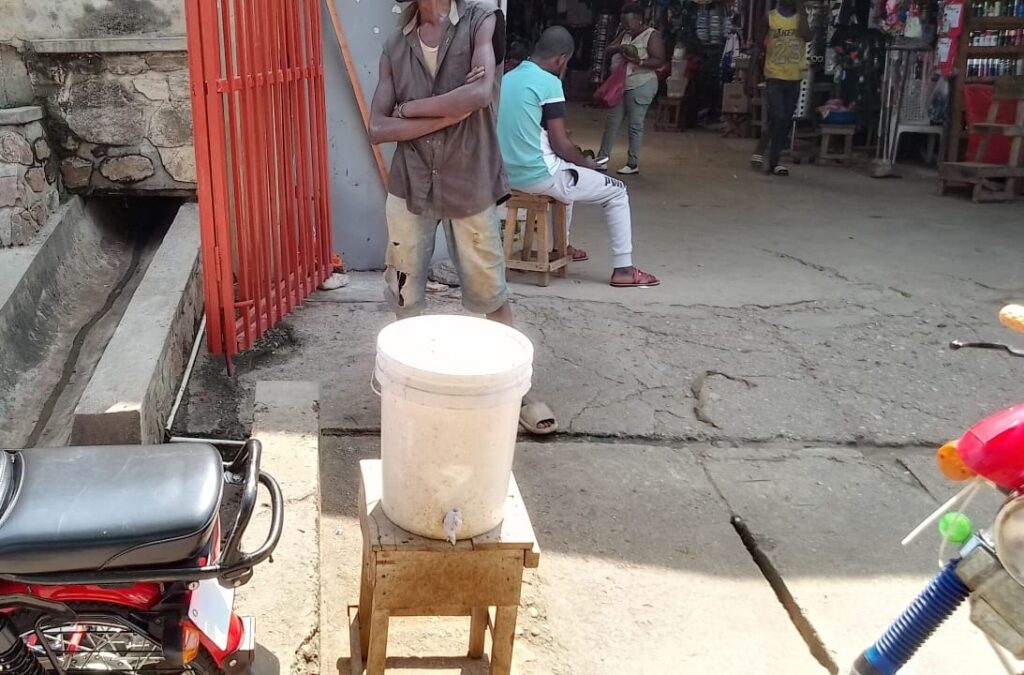
A recent visit to various neighborhoods in Kinama Zone indicated that many households are actively working to adhere to recommended hygiene measures. This on-the-ground observation confirmed the positive impact of ongoing awareness campaigns and community engagement. Well-maintained plots, the consistent presence of hand washing facilities, clean latrines, and regularly cleaned gutters demonstrate the tangible efforts made by some residents to maintain a healthy environment. Such practices are key in preventing the spread of diseases and promoting overall public health.
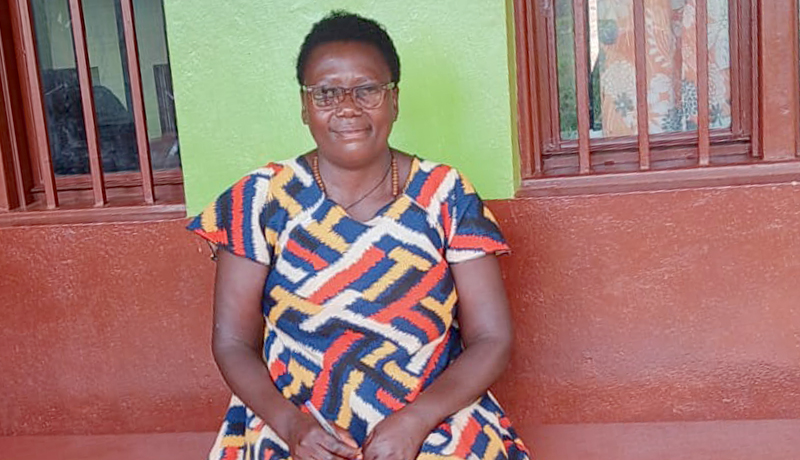
Astère Niyokwizera, head of the Kinama Zone, stated that the local administration is intensifying awareness campaigns to encourage the population to adopt hygiene-promoting behaviors. These campaigns are designed to reach a broad audience, ensuring that information about proper sanitation practices is widely distributed and understood. Collaboration between the administration, community leaders, and the population has significantly improved the condition of some neighborhoods that previously faced severe sanitation problems. This partnership approach is considered vital for sustainable change. Aline Niyibizi, a sugarcane vendor in Kinama, reported that she makes a diligent effort to keep her workspace clean to protect her customers, illustrating individual responsibility contributing to the broader community goal. Her actions exemplify the personal commitment needed to achieve widespread improvements in hygiene.
Vestine Niyonsaba, a Kinama resident, openly acknowledged that hygiene conditions have improved compared to previous years, noting a discernible positive shift in her daily surroundings. Officials and residents alike firmly believe that the success of hygiene and sanitation measures depends significantly on collective commitment across the entire community. This collective responsibility is seen as the cornerstone for achieving lasting results and ensuring a consistently clean environment.
Persistent Challenges and Causes
Despite the commendable progress and ongoing efforts, abandoned waste in public spaces and gutters remains a persistent problem in certain areas within Kinama Zone. This issue continues to challenge the overall sanitation goals, noting areas where further intervention and behavioral changes are needed. The presence of such waste not only detracts from the aesthetic appeal of the zone but also poses significant health risks to residents.
Administrative officials attribute the persistent waste problems to two primary factors: a lack of awareness among some residents regarding proper waste disposal, and insufficient waste collection infrastructure. The combination of these challenges contributes to the accumulation of refuse in public areas, hindering overall sanitation goals and making it difficult to maintain a pristine environment. The lack of adequate infrastructure means that even willing residents may struggle to dispose of their waste properly, while insufficient awareness leads to improper disposal habits.
Officials stated that combating unsanitary conditions is an ongoing effort that requires everyone's participation. This collective responsibility extends to residents, local authorities, and service providers, all of whom are seen as key to maintaining a clean and healthy environment across the zone. The continued presence of waste shows the need for sustained community engagement and improved systems for waste management, emphasizing that this is not a task for one entity but a shared duty.
Expert Views and Recommendations
Hygiene and sanitation are widely considered determining factors for public health and sustainable community development. These elements are fundamental to ensuring a healthy population and fostering an environment conducive to growth and prosperity. The awareness activities in Kinama Zone primarily focus on essential practices such as household waste management, consistent gutter maintenance, and combating diseases directly linked to an unsanitary environment. These targeted efforts aim to equip residents with the knowledge and tools necessary to improve their immediate surroundings and protect their health.
Environmental specialists believe that improving hygiene and sanitation also requires the implementation of strong infrastructure for waste collection and treatment. Without proper facilities, even the best intentions for waste management can be undermined. Specialists recommend greater citizen involvement in environmental protection activities to ensure sustained progress, advocating for a participatory approach where residents are not just beneficiaries but active contributors to their environment. This increased engagement can lead to more effective and long-lasting solutions. They stress the importance of regular monitoring and evaluation of these initiatives to ensure their effectiveness and adaptability to evolving community needs. The long-term success of Kinama Zone's hygiene and sanitation efforts will depend on a continuous cycle of education, infrastructure development, and active community participation, reinforcing the idea that a clean and healthy environment is a collective achievement.