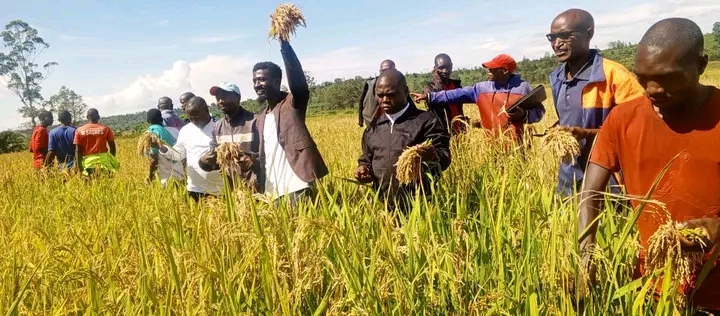
The rice harvest campaign officially launched in the plaine de la Ruvubu (Ruvubu plain) on Thursday, May 7, 2026. Authorities in commune Muhanga initiated the campaign, urging farmers to prioritize their yields for consumption. The Ruvubu plain, a modernly developed agricultural area, is a significant producer, yielding over 2,600 tons of rice from its 750 hectares. This initiative aims to enhance food security and ensure local residents benefit directly from the agricultural output. The campaign’s primary goal is to foster sustainable agricultural practices while also securing the nutritional needs of the community.
Protecting Agricultural Infrastructure
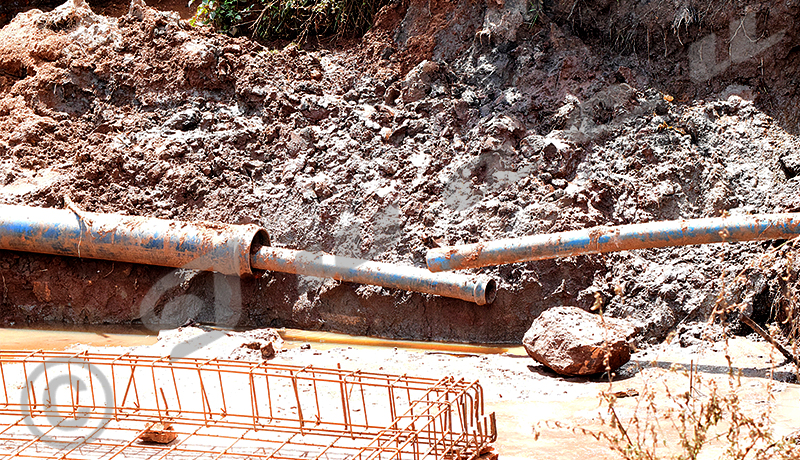
Farmers in the plaine de la Ruvubu were also urged to protect the agricultural area by regularly clearing water drainage canals. This key measure is intended to maintain the hydro-agricultural infrastructure vital for the plain's productivity and long-term viability. The maintenance of these systems is essential to prevent waterlogging and ensure efficient irrigation across the vast rice fields. By actively participating in the upkeep of these essential structures, farmers contribute directly to the sustained success of the agricultural zone.
Mélando Sinzihora, who is in charge of environment, agriculture, and livestock for commune Muhanga, advised farmers to implement additional protective measures. Sinzihora recommended creating contour lines on hills surrounding the plain. This technique aims to prevent soil erosion, thereby safeguarding the fertile land and ensuring its long-term viability for cultivation. The emphasis on infrastructure maintenance and erosion control shows the full approach to agricultural sustainability in the region, promoting both immediate yield protection and future productivity.
Context and Production Scale
The plaine de la Ruvubu is situated within Muhanga commune, which itself is part of Butanyerera province. This location places it within a region where agriculture plays a central role in the local economy and food supply. The area is a significant agricultural contributor, with the plain alone producing over 2,600 tons of rice from its 750 hectares. This substantial output notes the plain's importance as a food basket for the commune and potentially wider areas. Authorities in Muhanga commune recently launched a harvest campaign, urging local farmers to prioritize their yields for consumption to enhance food security within the community. This focus on local consumption is part of a broader effort to ensure residents directly benefit from the region's agricultural output before commercial distribution. The campaign also emphasized the importance of maintaining agricultural infrastructure, specifically by regularly clearing water drainage canals. Additionally, farmers were advised to create contour lines on surrounding hills to prevent soil erosion, safeguarding the fertile land for future cultivation. These combined efforts reflect a strategic approach to managing agricultural resources.
Official Statements and Guidance
Liévin Niyonyishu, who is in charge of administration and community development in Muhanga, advised farmers to differentiate between their harvest intended for family consumption and the portion designated for sale. This distinction is key for ensuring household food security while also allowing farmers to participate in the market. Authorities also called upon farmers to respect riverbanks and maintain the grasses planted along them. This measure aims to protect agricultural fields from potential river overflow, which could otherwise devastate crops and damage infrastructure. Protecting these natural barriers is a key component of flood mitigation strategies in the area. Révérien Sindayigaya serves as the communication officer for Muhanga commune, playing a role in disseminating these important messages and guidelines to the farming community and the wider public. The full guidance provided aims to foster responsible farming practices that benefit both the environment and the local population.