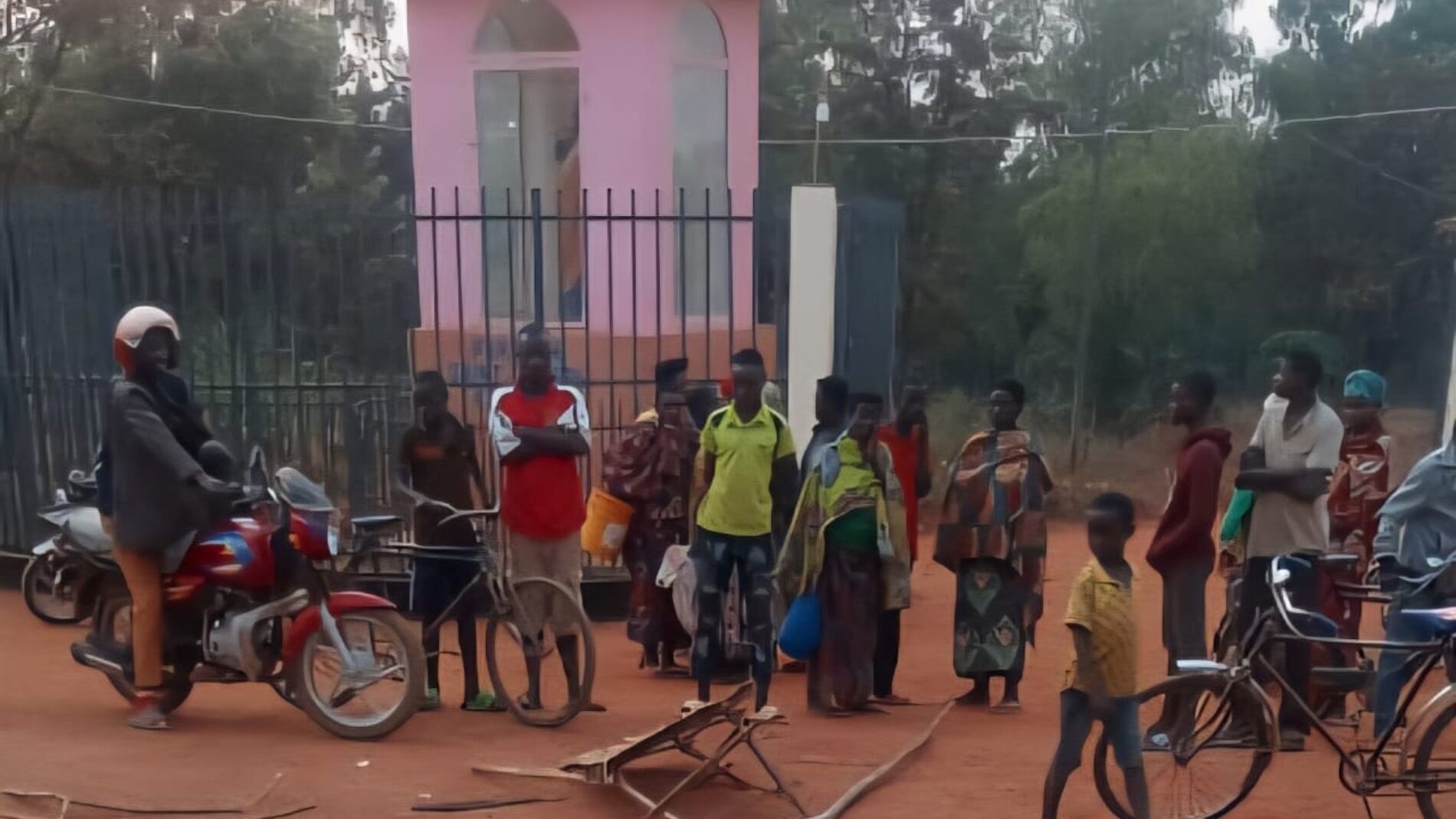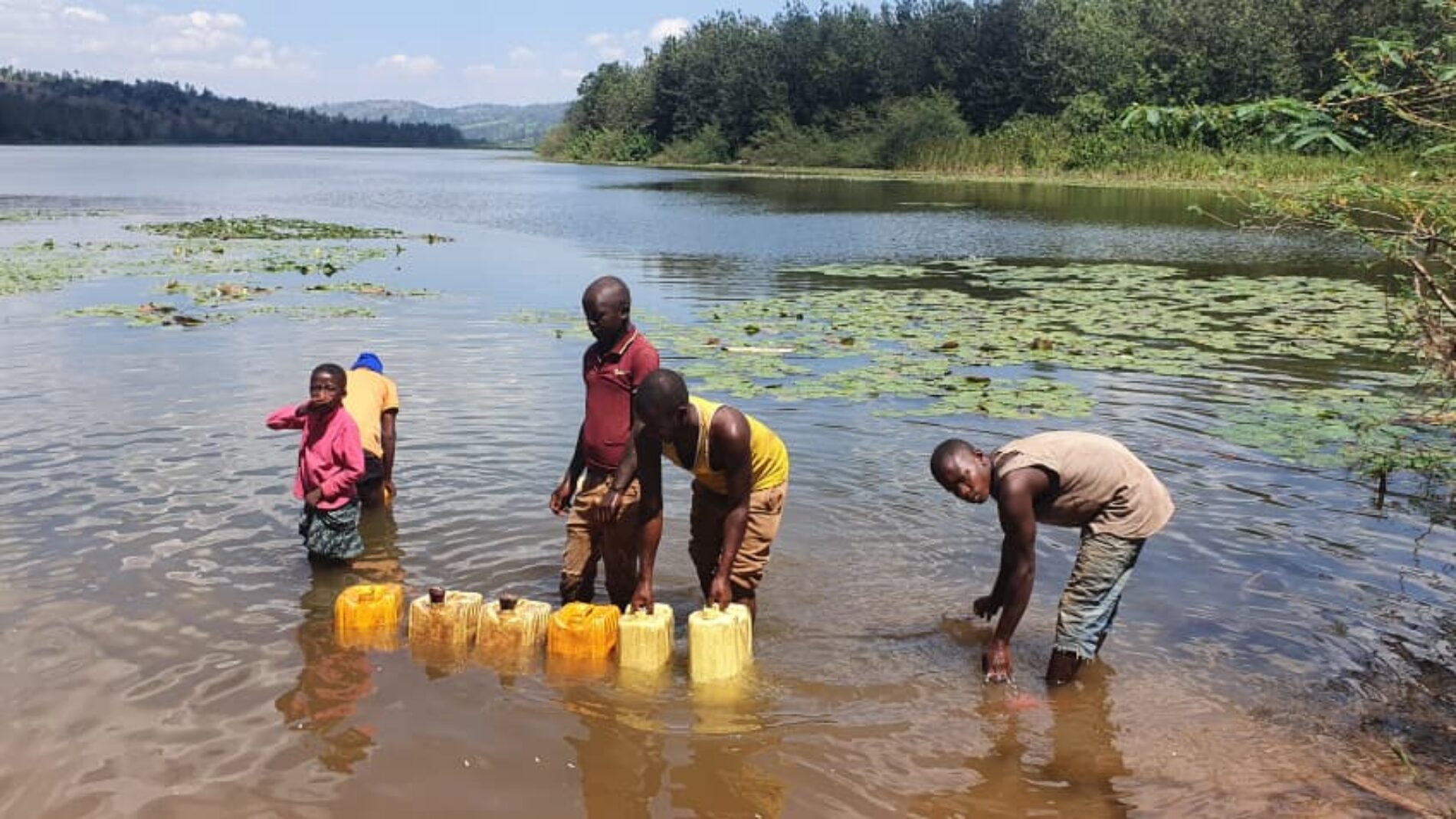
Residents in Muyinga, located in Burundi's Buhumuza province, in northeastern Burundi, are experiencing a daily ordeal due to a severe shortage of drinking water. The persistent lack of water has become a significant concern for the city, leading to fears of an impending health crisis. According to local testimonies, the water scarcity has been an ongoing issue for several years, fueling anxieties about its long-term impact on public health and daily life. This critical situation has transformed the simple act of obtaining water into a challenging and often desperate endeavor for the community.
Daily Hardship and Rising Costs
Taps in several neighborhoods within Muyinga's urban center, including Swahili, Kinyota, and Mukoni, frequently remain dry for extended periods. This widespread disruption means that a significant portion of the city's population is regularly deprived of a basic necessity. The Swahili neighborhood, which houses more than half of the urban center's population according to local administration, is among the most severely affected by the water shortage. Residents in these densely populated areas are often left without a reliable water supply, forcing them to seek alternative, often unsafe, sources. The absence of piped water in homes and public facilities creates immense difficulties for daily routines, from cooking and cleaning to personal hygiene.
A woman about sixty years old described the dire choices faced by the community when conventional sources fail. "During the rainy season, we are obliged to drink rainwater," she stated, noting the stark reality for many. "We know it's not clean, but we have no other choice." This reliance on untreated water sources raises significant health concerns for the population, as rainwater can be contaminated with pollutants and pathogens, posing a direct threat to well-being. The desperation evident in her statement shows the severity of the crisis and the lack of viable alternatives for many families.
At the communal high school of Muyinga, situated in the Kinyota neighborhood, students and teachers have reported troubling hygiene conditions directly linked to the water scarcity. The lack of clean water impacts daily school operations, making it difficult to maintain sanitary facilities and ensure student well-being. This situation not only affects health but also education, as students may struggle to concentrate or even attend school due to water-related illnesses or the time spent fetching water. The challenges faced by the school mirror those experienced by households and other public institutions across the city. The situation in Muyinga is not unique; residents in several other regions of Burundi are also reporting recurring shortages of drinking water, indicating a broader challenge across the country that demands national attention and full solutions.
Fears of Disease Outbreaks
The persistent water scarcity in Muyinga has intensified the threat of waterborne diseases within the community. Residents and local health officials express significant concern over the potential for outbreaks that could devastate the population. Specific fears center on cholera, dysentery, and other illnesses commonly spread through contaminated water sources. These diseases thrive in environments where access to clean, potable water is limited and sanitation is compromised. The reliance on untreated water, as reported by residents during the rainy season, directly contributes to this heightened risk, creating a precarious public health environment. The absence of a reliable water supply forces residents to make choices that could compromise their health, increasing susceptibility to these diseases and placing an added burden on the region's healthcare infrastructure. The intensifying threat of these diseases shows the urgent need for sustainable solutions to the water crisis.
Accusations Against Water Authority
The financial burden on residents has also escalated dramatically. The cost of water has significantly increased, with a 20-liter jerrycan now priced at 1,500 Burundian francs, compared to its previous cost of 500 to 700 francs. This tripling of prices places immense strain on household budgets, especially for low-income families who already struggle to meet their basic needs. Residents have openly accused the national water and electricity utility, Regideso, of failing to ensure equitable distribution of water throughout the city. These accusations include claims of favoritism in water allocation, suggesting that some areas or entities receive preferential treatment at the expense of others. Concerns have been raised that some hotels, particularly those situated in the Kibogoye area, are allegedly receiving prioritized water access, further exacerbating the frustrations of ordinary citizens who are left without this essential resource. These allegations of unequal distribution deepen public distrust and highlight the urgent need for transparency and accountability in water management. The ongoing crisis in Muyinga, marked by daily hardships, escalating costs, and the looming threat of disease, calls for immediate and effective intervention to secure a stable and equitable water supply for all its residents.