Matana commune, a newly constituted administrative entity in Burundi, was formed from the former Mugamba commune in Bururi province, the area of Songa, and the Mahwa zone, which previously belonged to the Ryansoro commune in Gitega province. This restructuring aims to consolidate administrative functions and resources for the local population, creating a unified administrative body to better serve its residents. The amalgamation of these distinct areas into a single commune signifies a strategic effort to streamline governance and foster integrated development across its diverse geographical and social landscapes. This new administrative framework is designed to enhance local service delivery and improve the coordination of development initiatives, ultimately benefiting the communities within its borders.
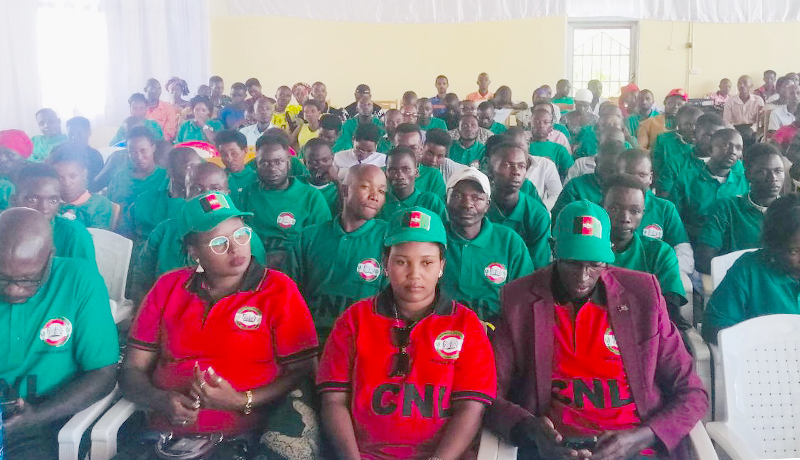
Youth involvement in local governance and economic initiatives is a key focus within the commune. Jean-Paul Nsabiyumva, a local official, noted the presence of young people in communal councils, stating, "Dans les conseils communaux, il y a des jeunes même s’ils ne sont pas encore nombreux. Par contre, plus de 70 % des zones sont dirigées par des jeunes" (In the communal councils, there are young people even if they are not yet numerous. However, more than 70% of the zones are led by young people). This significant representation in leadership roles shows the commune's commitment to empowering its younger population and integrating their perspectives into local decision-making processes. Nsabiyumva also indicated that financial support is available for young entrepreneurs with viable proposals, emphasizing the commune's proactive approach to fostering economic growth among its youth. "Lorsqu’un jeune présente un projet sérieux qui nécessite un financement, il peut l’obtenir" (When a young person presents a serious project requiring financing, they can obtain it), he affirmed. This mechanism is intended to provide key seed capital and support for innovative business ideas, helping young individuals translate their entrepreneurial visions into tangible ventures. Such initiatives are vital for stimulating local economies and creating sustainable employment opportunities within Matana.
Organizing for Economic Empowerment
The involvement of young people in Matana commune extends to leadership positions, with more than 70% of zones directed by young individuals. This high proportion of youth in leadership roles reflects a deliberate strategy to place the future of the commune in the hands of its younger generation, encouraging fresh ideas and dynamic approaches to local challenges. Despite these roles, economic challenges persist for many, particularly in securing market access and consistent income. The enthusiasm and leadership potential of these young individuals often encounter significant hurdles when it comes to practical economic sustainability.
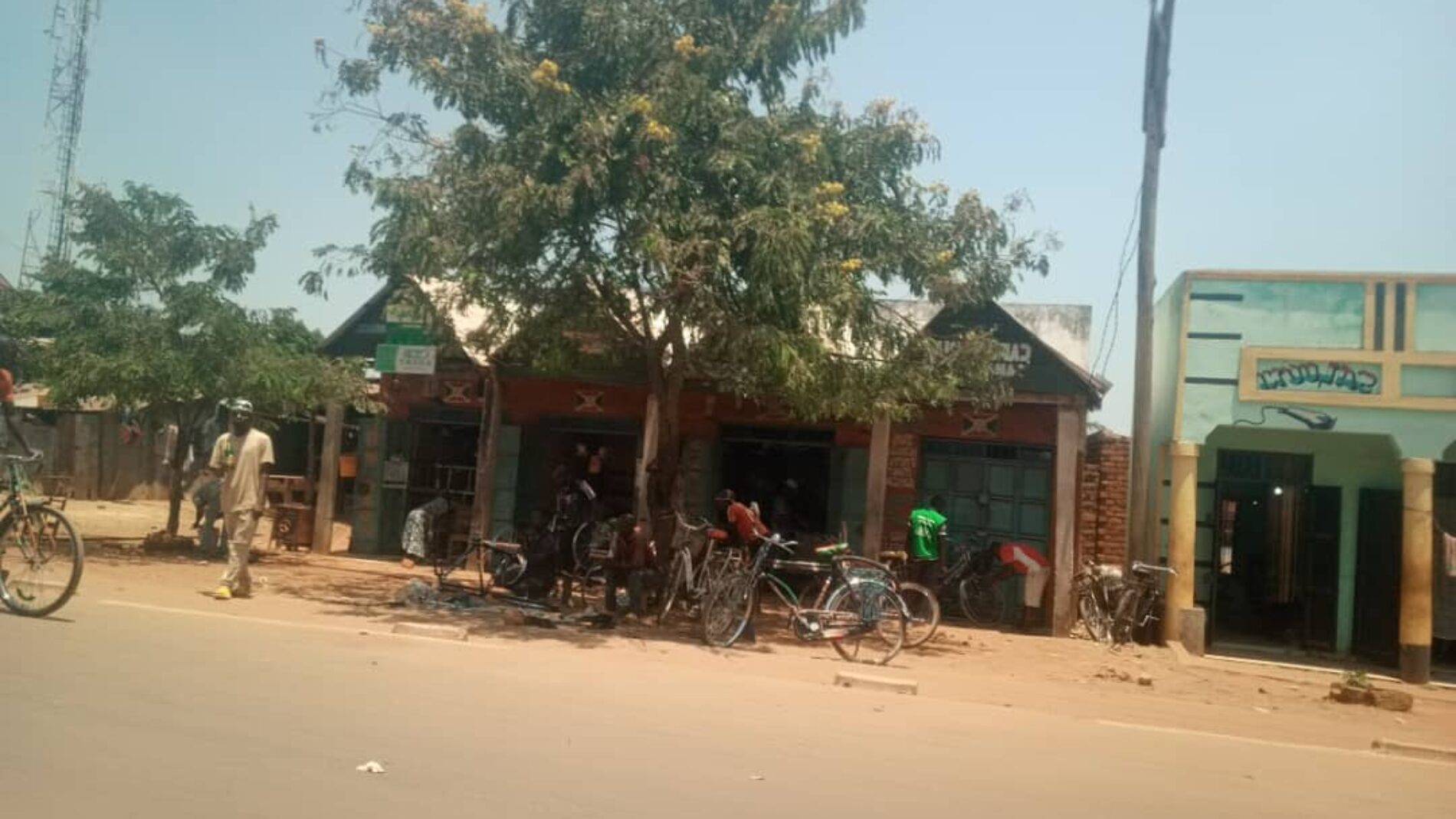
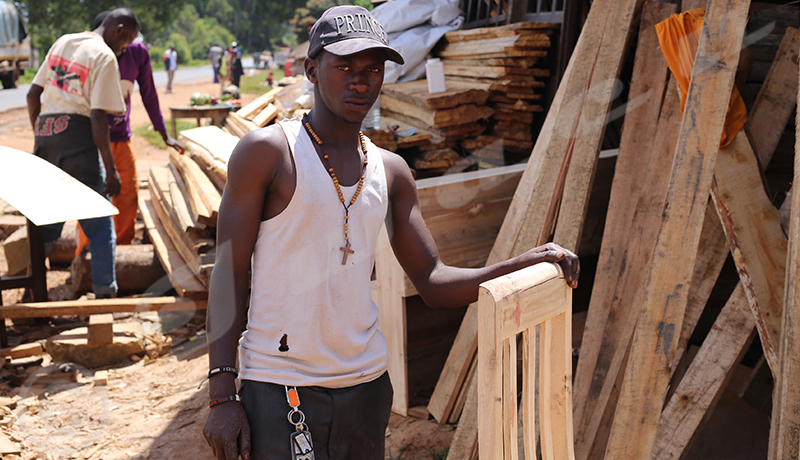
Jean-Claude Manirambona, a 28-year-old young man living in the Matana zone, noted difficulties faced by young artisans. "You see that everything we have made is still here," Manirambona stated, adding, "It is difficult to find customers these days and, consequently, we lack work when our products don't sell." His experience is indicative of a broader issue where production outstrips local demand or market connectivity is insufficient, leaving artisans with unsold goods and diminished income. This challenge not only impacts individual livelihoods but also stifles the growth of local craft industries. The lack of consistent customer base means that the efforts and skills of these young artisans are not fully utilized, leading to economic stagnation and frustration.
Enock Dukundumuremyi, a 25-year-old young mason, pointed to the broader social consequences of economic inactivity among youth. Dukundumuremyi noted that "inactivity pushes some young people towards the consumption of alcohol and drugs." This observation suggests a direct link between limited economic opportunities and the rise of social issues in the commune, noting the urgent need for sustainable employment and engagement programs. The idleness resulting from unemployment can lead to destructive behaviors, posing a threat to the social fabric and future prospects of the community. Addressing economic disparities is therefore not just about financial well-being, but also about safeguarding public health and social order.
Godefroid Nihorimbere, 29, residing on the Mugano hill, described issues with equipment and customer access for his work. Nihorimbere explained, "When we go to look for these machines, there are orders that we cannot execute here, and customers do not find us." His statement indicates a need for better access to necessary tools and improved connectivity with the local market to fulfill orders and sustain business. The unavailability of specialized equipment locally forces artisans to travel, incurring additional costs and time, while the lack of a centralized platform or network for customers to find local service providers creates a disconnect. These individual accounts illustrate the ongoing efforts and obstacles encountered by young people in their pursuit of economic stability within the newly formed commune, showing the complex interplay of market access, infrastructure, and social support required for their success.
Navigating Obstacles and Setbacks
The consumption of highly alcoholic plastic drinks, known locally as 'udusarabwayi' or 'bangala', presents a significant challenge within Matana commune. This issue contributes to social problems, particularly among the youth, exacerbating the difficulties faced by a demographic already struggling with economic opportunities. The availability and consumption of these unregulated substances can lead to health issues, addiction, and further social instability, diverting young people from productive activities and undermining community development efforts. This public health concern adds another layer of complexity to the commune's efforts to empower its youth.
Ange Channella Ndikumwenayo, a 28-year-old woman residing in the Matana zone, faces difficulties in her daily activities due to power supply inconsistencies. These interruptions can disrupt work and economic opportunities, particularly for those engaged in businesses that rely on electricity, such as operating machinery or maintaining cold storage. The unpredictable nature of power outages makes it challenging to plan and execute tasks efficiently, leading to lost productivity and potential financial losses.
Yves Delux Nduwayo, a 29-year-old young entrepreneur living on the Mugano hill, also noted the impact of unreliable electricity. "Il arrive que nous ayons des marchés et que le courant parte. Cela devient un véritable problème," Nduwayo stated, indicating that power outages directly affect their ability to fulfill market demands. For entrepreneurs like Nduwayo, consistent power is not merely a convenience but a fundamental requirement for business continuity and customer satisfaction. The inability to complete orders due to power cuts can damage reputation, lead to cancelled contracts, and ultimately hinder business growth. The cumulative effect of these power issues can significantly impede the economic progress of individuals and the commune as a whole.
Matana commune is one of ten communes that has received multiple rounds of financing, according to the CDFC president. This support is intended to bolster local development and initiatives, providing key funds for various projects aimed at improving infrastructure, social services, and economic opportunities. Despite these efforts and the financial injections, some operational difficulties persist, indicating that funding alone is not always sufficient to overcome deep-seated challenges. The effective utilization of these funds requires strong planning, transparent execution, and continuous monitoring to ensure they translate into tangible improvements for the community.
Farmers in the commune have reported that certain fertilizers, which were paid for two years ago, have still not been delivered. This delay impacts agricultural productivity and income for local residents, as timely access to inputs is critical for successful harvests. The absence of these essential fertilizers can lead to reduced crop yields, diminishing farmers' ability to feed their families and generate income, thereby perpetuating cycles of poverty. This issue notes potential inefficiencies or corruption within the supply chain for agricultural inputs, which directly undermines the livelihoods of a significant portion of the commune's population. The failure to deliver paid-for goods erodes trust and creates significant economic hardship for those dependent on agriculture.
Community Support and Future Prospects
The president of the Communal Development Fund (CDFC) stated that Matana regorges with potential wealth for those willing to work. This optimistic outlook suggests that despite the current challenges, the commune possesses inherent resources and opportunities that can be leveraged by an industrious population. The CDFC president's perspective emphasizes a belief in the local population's capacity for self-reliance and economic advancement, provided they are equipped with the right support and opportunities. This vision shows the importance of individual initiative married with communal resources to unlock the commune's full economic potential.
Local women contribute to community initiatives through regular financial contributions, demonstrating a strong spirit of collective responsibility and mutual support. Some women make weekly payments of 5,000 francs to their associations, which aids in collective savings and support mechanisms. These consistent contributions build a communal financial pool that can be accessed by members in times of need or for investment purposes. The practice of collective saving empowers women by providing them with a safety net and a means to fund their entrepreneurial endeavors or household expenses.
Annick, who is a member of the Association Nawe nuze, can access capital of up to 200,000 Burundian francs (FBu) through her association. This capital is repayable within a three-month period, providing a flexible and accessible financial resource for members. Such micro-financing schemes, facilitated by women's associations, play a key role in bridging the gap where formal banking services may be inaccessible or too stringent. These funds can be used for starting small businesses, covering educational costs, or addressing urgent family needs, thereby fostering economic resilience and independence among women in the commune. The structured repayment plan encourages financial discipline and ensures the sustainability of the fund for other members.
Service providers also operate within the local economy, though with associated costs. Lumitel, for instance, charges a monthly commission of 5,000 francs for its electronic money exchange services. This fee applies to transactions conducted through their platform, reflecting the operational costs and business model of mobile money services in the region. While these services offer convenience and facilitate financial transactions, the associated costs can impact the profitability of small businesses and the disposable income of individuals, especially those with frequent transactions. Understanding these costs is key for individuals and businesses managing their finances in the digital economy.
Agricultural inputs represent a key cost for farmers, with price variations observed in the market. Some merchants sell fertilizers at approximately 6,000 FBu per kilogram. This contrasts with the standard price of a 25kg bag of fertilizer, which normally costs 25,000 FBu, indicating potential price disparities or specific market conditions. The discrepancy between the per-kilogram price and the standard bag price suggests that farmers buying smaller quantities might be paying a premium, or that market inefficiencies and speculative pricing by some merchants are at play. Such price variations can significantly impact farmers' production costs and overall profitability, adding another layer of financial uncertainty to their agricultural activities. Addressing these market inconsistencies could help in stabilizing agricultural costs and improving farmer incomes within Matana commune.