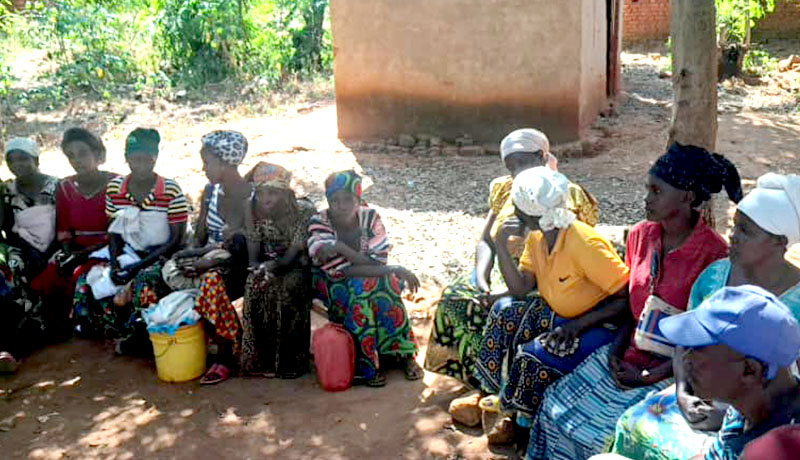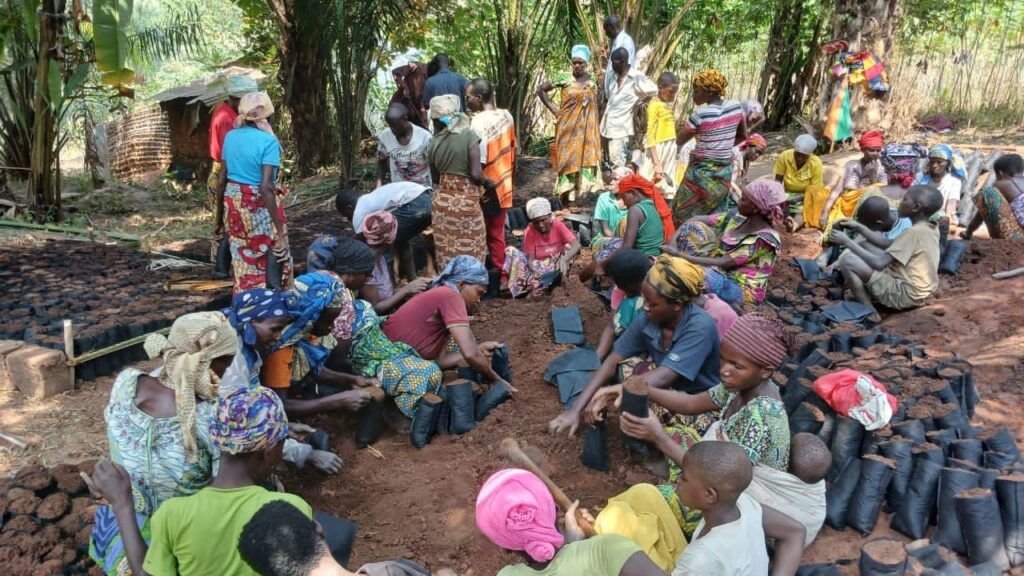
A significant nursery project, comprising an impressive 20,000 plants, was officially launched in the Bubanza zone, located within Bubanza commune. This ambitious initiative is specifically designed with the primary goals of promoting key export crops, actively contributing to environmental protection, and ultimately improving the household incomes of local residents. The project signifies a concerted effort to foster sustainable development within the region. The nursery will focus on cultivating a diverse range of plant species, including avocado trees, coffee trees, and various agroforestry trees, all selected for their potential economic and ecological benefits. Through these efforts, the project seeks to bolster local economic development and enhance environmental sustainability across the Bubanza region.
Project Goals and Rationale
The initiative aligns directly with the Burundian government's broader policy, which is strategically aimed at promoting valuable export crops and undertaking full efforts to restore vegetation cover throughout the country. This project embodies a dual objective: to effectively combat the detrimental effects of drought through widespread reforestation efforts and to significantly boost household income for the local population. This income generation will be achieved primarily through the cultivation of export-oriented crops, which have a high market value. The selection of specific crops is deliberate; avocado and coffee have been explicitly identified as priority sectors, recognized for their key role in generating much-needed foreign currency for the nation. Therefore, the nursery project directly supports these vital national economic and environmental objectives, contributing to both ecological resilience and financial prosperity.
The strategic focus on these particular crops is rooted in their economic potential and their capacity to contribute to the national economy. By providing free access to these valuable plants, the project empowers local farmers and communities to participate directly in the export market. The inclusion of agroforestry trees shows a holistic approach to land management, integrating agricultural production with environmental conservation practices. This integration is essential for creating resilient agricultural systems that can withstand climate challenges and provide long-term benefits to the community.
Plant Distribution and Impact
A key component of the project's strategy involves the distribution of the plants produced by the nursery. These plants will be distributed free of charge directly to the local population, ensuring broad accessibility and encouraging widespread participation. As an alternative, a portion of the plants will be strategically planted in public spaces within the community, contributing to the greening of urban and communal areas. This full distribution strategy is designed to ensure the widespread adoption of the new crops, thereby enhancing agricultural productivity across the Bubanza zone. Simultaneously, it aims to contribute significantly to environmental restoration efforts throughout the region, addressing ecological concerns such as soil erosion and deforestation. The initiative focuses on enhancing agricultural output while simultaneously addressing critical ecological concerns, fostering a symbiotic relationship between economic development and environmental stewardship.
The free distribution model is critical for ensuring that even the most vulnerable households can participate and benefit from the project. It removes financial barriers that might otherwise prevent small-scale farmers from investing in new, high-value crops. The planting in public spaces will not only improve the local environment but also serve as educational examples, demonstrating the benefits and proper care of these important trees to a wider audience. This approach is expected to create a lasting positive impact on both the livelihoods of the residents and the ecological health of the Bubanza zone.
Partnership and Vision
The project's activities officially commenced on Thursday, July 9, 2026, marking a significant milestone for the Bubanza community. This initiative represents a truly collaborative effort, spearheaded by several dedicated local associations working in unison. The primary organizations driving this impactful project are Actions pour l’humanisme au Burundi (APAI-B), Agir tous pour la dignité (ATD Quart Monde), and Fondation pour le développement de l’entrepreneuriat et la protection de l’environnement (Fidepe). Their combined expertise and resources are instrumental in establishing the nursery and facilitating the efficient distribution of plants to beneficiaries. The active involvement of these local groups shows a strong community-led approach to agricultural development and environmental conservation in the Bubanza zone, ensuring that the project is tailored to local needs and sustained by local commitment.
This collaborative framework is essential for the long-term success and sustainability of the nursery project. Each partner brings unique strengths and perspectives, from humanitarian aid to entrepreneurial development and environmental protection, creating a strong and multifaceted approach. The shared vision among APAI-B, ATD Quart Monde, and Fidepe is to empower communities, enhance ecological resilience, and build a more prosperous future for the residents of Bubanza commune. Their joint efforts demonstrate the power of local partnerships in addressing complex challenges and driving meaningful change at the grassroots level.