Land disputes have emerged at Nyabigina, a "village de paix" situated on a hill of the same name in Nyanza commune, Burunga province. This designation as a "village de paix" was intended to foster peaceful coexistence, but the allocation of land has instead become a source of significant conflict. Original landowners allege that local authorities and agents from an ONG delimited and divided their properties without their consent. These claims explicitly state that no compensation or prior sensitization was provided before their lands were allocated to repatriate families. The establishment of the settlement has therefore led to significant contention over land ownership in the area, creating a complex situation that pits long-standing residents against newly arrived repatriates.
Landowners' Grievances Surface
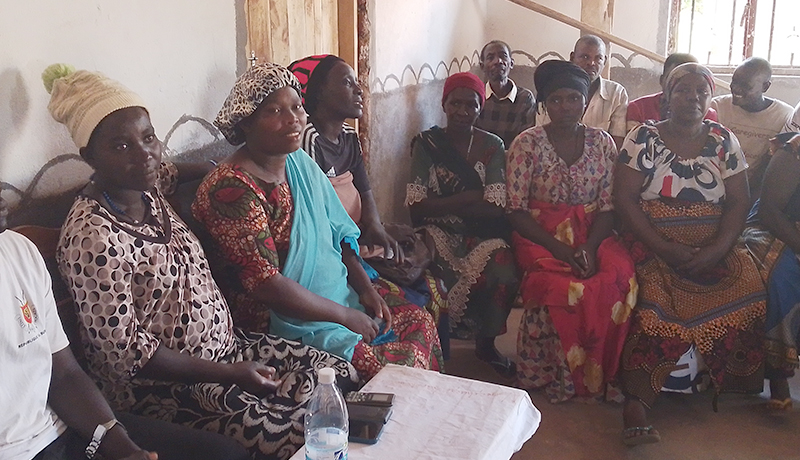
Since 2010, the village of Nyabigina has served as a host community for Burundian repatriates returning from exile. The continuous arrival of these families, seeking new homes and agricultural opportunities after years abroad, has placed increasing demands on land resources in the area. Local landowners assert that their properties were identified and partitioned without their explicit permission. They claim that the process, which involved local authorities and agents from an ONG, did not include any preliminary discussions or offer any form of compensation for the loss of their land. These landowners maintain that they were not consulted before their land was designated for allocation to the repatriate families, leading to a profound sense of injustice. The establishment of the settlement at Nyabigina has consequently become a central point of contention concerning land rights and ownership within the region, with original residents feeling disenfranchised. The lack of prior engagement and remuneration for the land has fueled significant grievances among the original inhabitants, who feel their property rights have been disregarded. Some residents have specifically stated that they lost access to their cultivable fields, directly impacting their ability to sustain their families.
Historical Context and Legal Framework
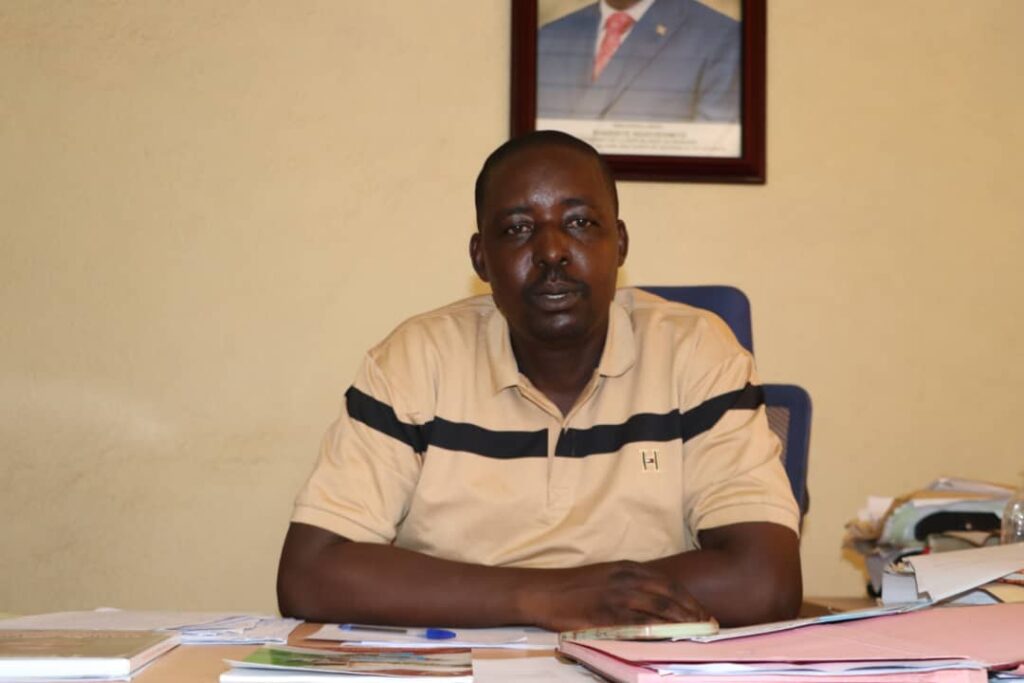
Oscar Siyawezi, legal advisor for Nyanza commune, stated that a commission from the Ministry of Interior visited the area to present options to residents regarding land use. "Une commission du ministère de l’Intérieur s’est rendue sur place pour présenter cette option aux habitants," Siyawezi said, adding, "Toutefois, le projet n’a pas encore dépassé le stade embryonnaire et aucune nouvelle information n’a été communiquée depuis cette visite." This indicates that while discussions occurred, the project has not progressed beyond an initial stage, with no further updates provided since the visit. The absence of clear communication following this visit has contributed to the uncertainty felt by both original landowners and repatriates. Separately, a 2011 law formally recognized property rights for individuals occupying "paysannats," which are agricultural settlements. This legal framework potentially impacts the land claims in Nyabigina, where land has been allocated for repatriates, as it establishes a precedent for recognizing certain land occupation rights. The intersection of this law with the informal allocation processes in Nyabigina adds another layer of complexity to the ongoing disputes.
Administration's Response and Tensions
The land issue in Nyabigina remains a sensitive topic, persisting 16 years after the creation of the "village de paix." This long-standing contention has prompted administrative action to address the disputes and prevent further social unrest. In 2023, authorities explored the possibility of relocating repatriates who did not possess references to state-owned land within the former Vugizo commune. This consideration aimed to alleviate pressure on the disputed properties in Nyabigina by offering an alternative solution for some of the repatriate families. The proposed relocation was a strategic move to de-escalate tensions and search for more sustainable land management solutions. To prevent further escalation of conflict and preserve fragile community relations, the administration has frozen all land operations in the area. This measure indicates an attempt to stabilize the situation while potential long-term solutions are sought for the complex land ownership claims, acknowledging the deeply rooted nature of the grievances. The freeze on land operations shows the seriousness with which the authorities are treating the potential for renewed conflict.
Lingering Social Impact
Residents of Nyabigina report losing access to cultivable fields, a situation that has resulted in reduced agricultural income. This direct impact on their livelihoods has contributed to increased poverty within the affected families, as many depend heavily on farming for their sustenance. The loss of these essential resources has created significant economic hardship for some local inhabitants, exacerbating their feelings of injustice. The ongoing land disputes, stemming from the establishment of the "village de paix," have thus created significant economic hardship for some local inhabitants, leading to a cycle of poverty and discontent. The social fabric of the community is strained as original residents grapple with the consequences of land allocation decisions made without their consent, while repatriates seek to establish new lives in an environment marked by underlying conflict.