Residents in Nyakabiga are regularly undertaking gutter cleaning to maintain sanitation and ensure efficient water evacuation, particularly key given the area's susceptibility to heavy rainfall. This consistent effort is vital for the community's well-being. Blocked gutters pose a significant risk, as they can lead to widespread flooding during intense downpours, impacting public health and property. The ongoing cleaning efforts aim to mitigate these potential hazards within the community, ensuring that drainage systems function effectively, especially during periods of heavy precipitation.
Persistent Blockages and Health Hazards
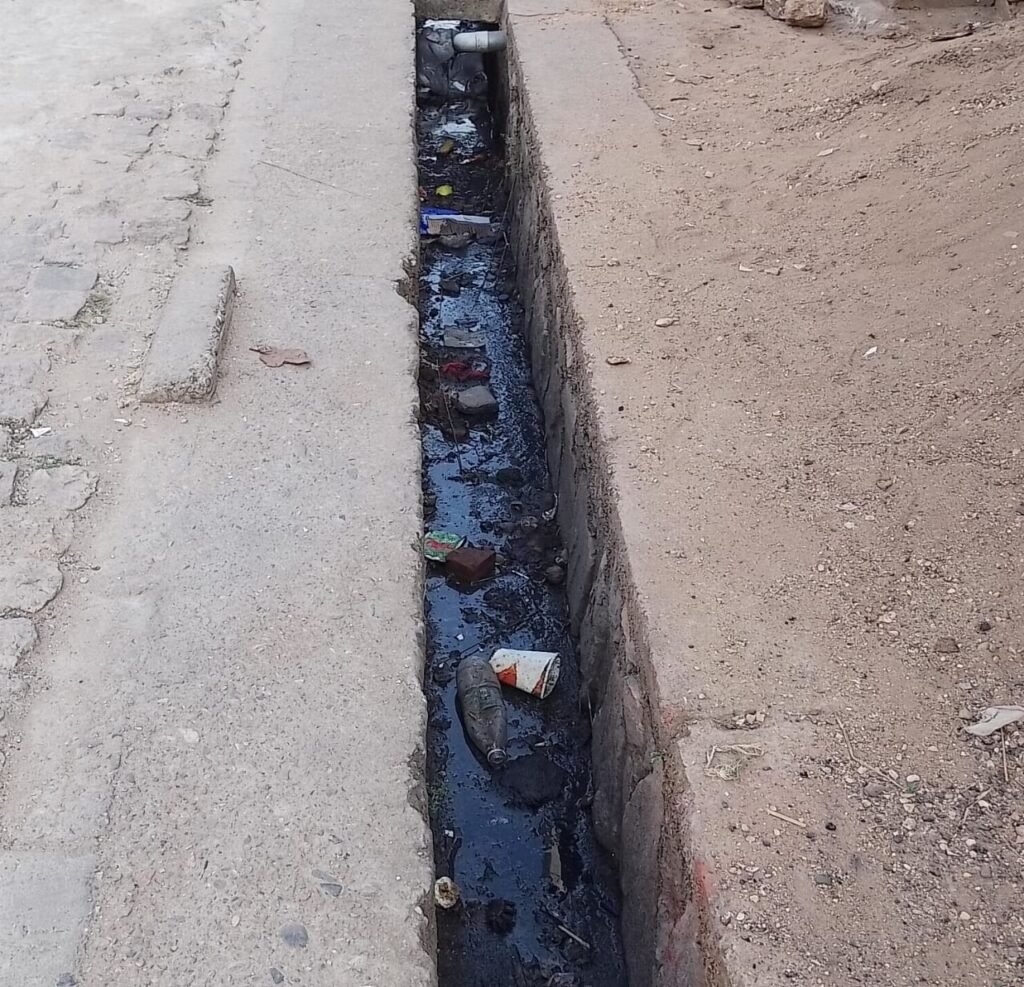
Despite regular cleaning efforts, some gutters in Nyakabiga continue to be found containing household waste, mud, and plastics that impede water flow, according to observations made in the area. This accumulation of debris leads to the creation of stagnant water within the drainage systems. The presence of stagnant water in gutters fosters an environment conducive to the proliferation of mosquitoes and other harmful insects. This increase in these insects elevates the risk of various diseases, including malaria, for residents. Persistent blockages therefore pose a direct public health concern for the community in Nyakabiga, noting the need for sustained vigilance and proper waste disposal practices. The consequences of neglected drainage can quickly escalate from minor inconveniences to serious health threats for the entire population.
Community Efforts and Official Calls
The article suggests that regular gutter cleaning should be considered a collective responsibility. This communal approach is deemed essential for maintaining effective drainage and public health within the community. Testimonies from Nyakabiga residents were collected on June 15, 2026, revealing perspectives on the ongoing challenges and the importance of sustained collective action. These accounts show the necessity for continued vigilance and participation from all residents to ensure the proper functioning of the drainage infrastructure. The communal effort is seen as key to mitigating the risks associated with blocked gutters, such as flooding and the proliferation of disease vectors. By working together, residents can significantly reduce the environmental factors that contribute to public health crises and property damage.
Shared Responsibility for Public Health
Pascal Nduwimana, the avenue chief, regularly sensitizes residents to clean gutters in front of their homes. Nduwimana emphasized that consistent maintenance is key for preventing various problems. He stressed the importance of proactive engagement from every household. "Assurer un curage régulier tout en encourageant chaque ménage à entretenir les caniveaux devant sa maison permettrait de prévenir efficacement plusieurs désagréments," Nduwimana stated. This approach aims to foster proactive community engagement in maintaining local drainage infrastructure, recognizing that individual actions contribute to collective well-being. Nduwimana's calls highlight the direct link between household responsibility and the broader health of the community, urging residents to take ownership of their immediate surroundings.
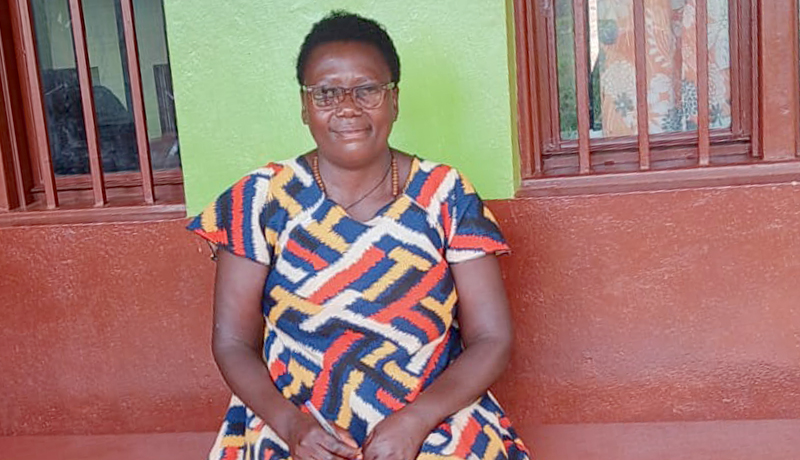
Alice Munezero, a resident, showed that gutter maintenance is a public health issue. Munezero explained the consequences of neglected drainage, drawing attention to how quickly standing water can become a breeding ground for disease. "Lorsque les eaux stagnent pendant plusieurs jours, elles créent un environnement favorable à la prolifération des moustiques et d’autres insectes nuisibles," Munezero said. She added, "Cela peut augmenter les risques de maladies, notamment le paludisme, qui touche régulièrement nombreuses familles." Munezero's statement directly connects the physical state of the gutters to the health outcomes of the residents, reinforcing the urgency of proper maintenance. She also noted the need for behavioral change among residents, noting, "Sans changement d’habitudes, les efforts de prévention risquent de rester limités." Her comments serve as a critical reminder that effective prevention strategies depend heavily on community participation and a shift in daily practices regarding waste disposal and drainage upkeep.