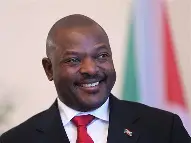
Burundi commemorates Patriotism Day annually on June 8, a date that also marks the anniversary of the death of former President Pierre Nkurunziza. This annual observance, deeply rooted in the nation's calendar, brings together citizens to reflect on national pride and the contributions of its leaders. Every year, on June 8, Burundi celebrates Patriotism Day, a significant national event that holds dual importance as it coincides with the commemoration of the passing of former President Pierre Nkurunziza. In 2026, Burundians are observing the sixth anniversary of Nkurunziza's passing, a milestone that prompts a deeper examination of his impact on the country. His legacy, characterized by what proponents describe as great achievements, is expected to remain a significant part of the collective memory of the nation. Indeed, Pierre Nkurunziza's legacy is widely anticipated to endure in the memory of Burundians, primarily attributed to the breadth and depth of his accomplishments during his time in office.
Pillars of Nkurunziza's Legacy
A cornerstone of Pierre Nkurunziza's legacy includes the implementation of free education, alongside free healthcare for children under five and pregnant women, and free childbirth services. These initiatives, central to his social policy agenda, were designed to uplift the most vulnerable segments of the population and ensure access to fundamental services. Key achievements widely cited as foundational to his enduring legacy include the provision of free education across the country, a policy that significantly expanded access to schooling for many. The introduction of free childbirth services was a critical step towards improving maternal health outcomes. Complementing these, free healthcare for children under five and for pregnant women aimed to drastically reduce infant mortality and improve the well-being of mothers. These policies contributed to broader community activities during his tenure, which led to the construction of numerous schools, health centers, roads, sports fields, administrative offices, and other public infrastructures across Burundi. The tangible results of these community-driven efforts, spurred by Nkurunziza's vision, are visible in the widespread development of essential public infrastructure.
Jean Charles Nkurunziza, who began his schooling at the age of 12 due to the free education policy, reflected on the former president's impact. His personal experience serves as a testament to the transformative power of these policies, enabling individuals who might otherwise have been excluded from formal education to pursue their studies. He stated, "Pierre Nkurunziza a été l’un des premiers dirigeants à accorder une place importante à la jeunesse, en la sensibilisant à l’amour de la patrie" (Pierre Nkurunziza was one of the first leaders to give an important place to youth, by sensitizing them to the love of the homeland). This focus on youth engagement and national pride was a hallmark of his administration. The current avocado cultivation development program in Burundi is also aligned with Pierre Nkurunziza's vision and is reportedly already yielding positive results. This agricultural initiative reflects a continuity of his economic development strategies, demonstrating how his long-term planning continues to benefit the nation.
Jean Charles Nkurunziza emphasized the lasting impression of the former president on the nation. "Pierre Nkurunziza restera toujours gravé dans le cœur des Burundais, car il leur a laissé un héritage dans de nombreux domaines essentiels de la vie" (Pierre Nkurunziza will always remain engraved in the hearts of Burundians, because he left them a legacy in many essential areas of life), he added. These initiatives collectively form key aspects of the legacy attributed to Nkurunziza's leadership in Burundi, showing his profound influence on the country's social, educational, and economic landscape.
Restoring Peace and Unity
Community work and the restoration of peace and security are noted as significant legacies of Pierre Nkurunziza's tenure. Upon his accession to power, peace and security reportedly returned throughout the country, marking a key turning point after periods of instability. This re-establishment of order was fundamental to enabling the social and economic development that followed.
Nkurunziza's leadership is credited with contributing to the reduction of ethnic divisions and strengthening cohesion among Burundians. His efforts were instrumental in fostering a sense of national unity and reconciliation. During his time, the Batwa ethnic group began to experience better representation within society, a significant step towards greater inclusivity. Members of the Batwa community were able to pursue studies, access positions of responsibility, and join the security and defense forces, indicating a shift towards greater inclusion and recognition of their rights and potential. This progress in integrating the Batwa community into various sectors of public life stands as a testament to his commitment to reducing historical inequalities and promoting a more equitable society.
Community Engagement and Youth
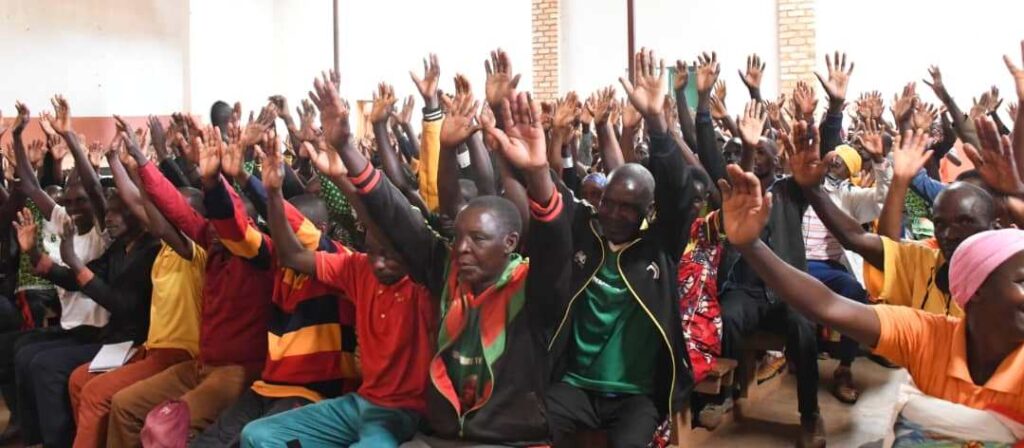
Community work has developed into a national tradition in Burundi, with most citizens now considering Saturday as the day dedicated to these tasks. This widespread adoption of community service as a regular activity reflects a deep-seated cultural shift, where collective effort for the common good is highly valued. Pierre Nkurunziza was among the first leaders to give importance to youth, sensitizing them to love for the homeland. His efforts in this area are widely recognized as foundational for youth engagement within the country, instilling a sense of civic duty and patriotism from a young age. This prioritization of youth development and their active participation in national life became a defining characteristic of his leadership.
The current President, Evariste Ndayishimiye, is considered a friend of the youth, continuing a focus on young people that began under his predecessor. This continuity notes an ongoing commitment within Burundi's leadership to involve and empower its younger population through various initiatives and community-focused activities. President Ndayishimiye has consistently echoed the importance of youth in national development, building upon the groundwork laid by Nkurunziza. The emphasis on national service and patriotism among young Burundians remains a significant aspect of the country's social fabric, ensuring that future generations are actively involved in shaping the nation's destiny. This enduring commitment to youth engagement and community development shows the lasting impact of Pierre Nkurunziza's vision on Burundi's socio-political landscape.