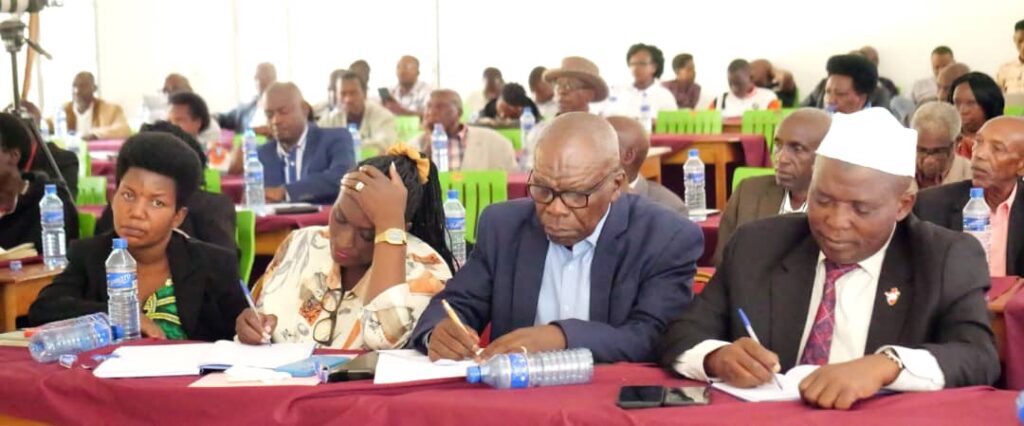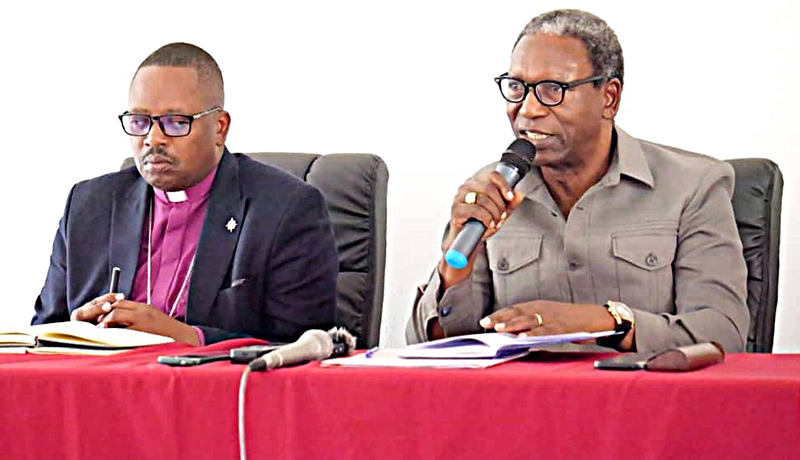
A significant meeting occurred in Gitega on Tuesday, June 2nd, bringing together retirees and the Commission Vérité et Réconciliation (CVR). This key gathering showed the CVR's strategic approach to national healing. The CVR intends to engage these retirees to help break historical silences, heal past wounds, and guide the youth towards lasting peace in Burundi. This initiative is a cornerstone of the commission's broader mandate to foster reconciliation and prevent future conflicts. Pierre Claver Ndayicariye, the president of the CVR, leads the commission's efforts in this important initiative, emphasizing the unique role that older generations can play. The commission views the retirees as key in contributing to national reconciliation processes through their lived experiences and memories, recognizing them as invaluable resources for historical truth.
Preserving Historical Memory
Retirees are described as holders of unique historical memory, essential for understanding Burundi’s complex past. Their direct experiences and recollections provide an authentic perspective on the nation's tumultuous history. This memory encompasses critical events such as the coups d'état of 1965, which marked a significant turning point in the country's political landscape. It also includes the Ntunguburanye affair in 1971, a period characterized by political unrest and violence. The assassination of King Ntare V, a key moment that ended the monarchy, is another event etched in their collective memory. Their recollections shed light on the bloody events of 1972, a period of widespread massacres that deeply scarred the nation. The massacres of 1988 and the massacres of 1993, which further exacerbated ethnic tensions, are also part of their lived experience. Finally, their memories extend to the subsequent civil war, a protracted conflict that devastated the country for years. The Commission Vérité et Réconciliation (CVR) maintains that the experiences and memories of these retirees represent a precious heritage for both present and future generations, offering vital insights that cannot be found in official records alone. The CVR believes that this wealth of direct testimony is indispensable for a full understanding of the past.
The CVR emphasizes that reconciliation cannot be achieved through exclusion or hypocrisy, asserting that the country must confront its violent history directly and honestly. This direct confrontation is seen as the only path to genuine peace and healing. Angelo Barampama, a participant in the discussions, noted that history is frequently falsified for partisan reasons, which further complicates efforts towards reconciliation. He clarified that the Hutu-Tutsi terms were not an invention of colonizers, a common misconception that often fuels division. Barampama also stated, "Sans la bonne gouvernance où le dirigeant doit rendre compte de ses actions, la réconciliation reste comme un vœux pieux," indicating that true reconciliation requires accountable leadership and transparent governance. He added, "L’histoire est dynamique, nous ne pouvons pas rester à méditer seulement sur le passé mais chercher comment arriver à se procurer du pain, la paix et le développement," noting the need to move beyond past reflection towards practical solutions for peace and development that address current societal needs. This perspective shows that while acknowledging history is key, it must also pave the way for a constructive future.
Pathways to Reconciliation
The liberation of speech is considered essential for victims to mourn, grieve, and obtain justice for material spoliations. Providing a safe space for victims to share their stories is a fundamental step in the healing process. The Commission Vérité et Réconciliation (CVR) seeks to deconstruct hate speech and offer responsible narratives of hope to the Burundian youth. This effort aims to foster a future where historical understanding contributes to stability rather than division, ensuring that past grievances do not perpetuate cycles of violence. By presenting a balanced and truthful account of history, the CVR hopes to inoculate younger generations against manipulative narratives.
The CVR's ultimate objective is for historical truth, presented without concession or lies, to serve as the unshakeable foundation for definitive peace in Burundi. This approach emphasizes transparency in confronting past events to prevent their recurrence, fostering a society built on honesty and mutual respect. Laurent Nicimbeshe, a 73-year-old Burundian, acknowledges the country's dark past but advises against dwelling on it to the point where it consumes all time and intelligence. His perspective suggests a need for a forward-looking approach that learns from history without being paralyzed by it. Nicimbeshe's counsel notes the delicate balance between remembrance and progress, encouraging a constructive engagement with the past.
Nicimbeshe stated, "Nous enfermons notre jeunesse, nos jeunes dans la stagnation. Assumons notre passé pour que le responsable soit condamné mais pas son fils, sa fille ou son groupe ethnique au lieu de globaliser ce qui risque de toujours faire des ravages." His remarks suggest a need to move past collective blame, focusing accountability on individuals rather than entire groups. This perspective notes a desire to protect younger generations from being mired in historical grievances, advocating for a path that enables progress and reconciliation. He argues that criminal responsibility is personal, emphasizing that blaming entire ethnic groups like Hutu or Tutsi traps youth in stagnation, preventing them from building a unified future. This individualization of blame is seen as key for breaking cycles of intergenerational hatred and fostering genuine societal cohesion.
Voices of Experience
Pierre Barusasiyeko stated that speaking before the CVR is a therapeutic duty, not an act of vengeance, emphasizing the importance of truth-telling for personal and national healing. This act of sharing is viewed as a vital step in processing trauma and contributing to collective memory. Barusasiyeko added, "Aujourd’hui, parler devant la CVR n’est pas un acte de vengeance, c’est un devoir thérapeutique. Si nous ne racontons pas la vérité de manière équilibrée à nos petits-enfants, d’autres leur transmettront la haine," suggesting that a balanced transmission of truth to future generations is key to prevent the spread of hatred and misinformation. This notes the responsibility of the older generation to accurately convey history. Angelo Barampama showed the necessity of truth and justice for genuine reconciliation, stating, "Sans la bonne gouvernance où le dirigeant doit rendre compte de ses actions, la réconciliation reste comme un vœux pieux." This reiterates his belief that effective governance is inextricably linked to successful reconciliation efforts. Barampama also noted the dynamic nature of history, noting, "L’histoire est dynamique, nous ne pouvons pas rester à méditer seulement sur le passé mais chercher comment arriver à se procurer du pain, la paix et le développement," advocating for practical solutions alongside historical reflection to address current challenges. Laurent Nicimbeshe argued that criminal responsibility is personal, emphasizing that blaming entire ethnic groups like Hutu or Tutsi traps youth in stagnation. Nicimbeshe said, "Nous enfermons notre jeunesse, nos jeunes dans la stagnation. Assumons notre passé pour que le responsable soit condamné mais pas son fils, sa fille ou son groupe ethnique au lieu de globaliser ce qui risque de toujours faire des ravages." These powerful testimonies from retirees illustrate their commitment to contributing to a future free from the burdens of the past, offering both caution and hope to Burundi. Their willingness to share their experiences is a testament to their dedication to national healing and the pursuit of lasting peace.