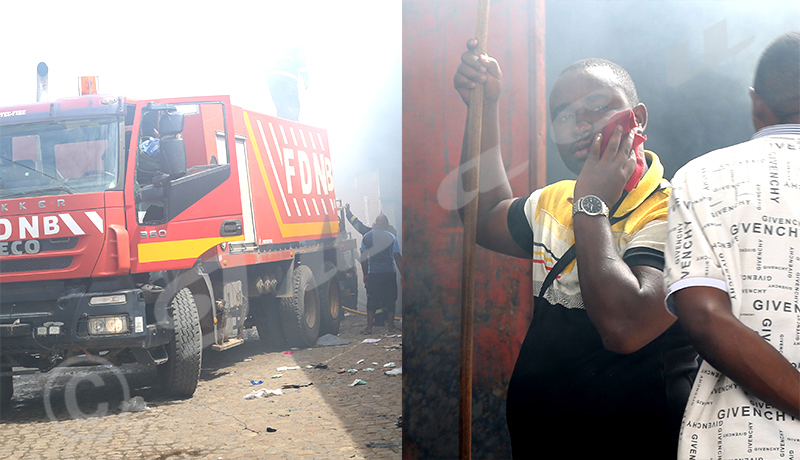
Burundi's commercial sector faces ongoing concerns regarding the low adoption of fire insurance among merchants, despite a recurring pattern of market fires across the country. The low adherence of merchants to fire insurance remains a significant concern in Burundi, especially given the recurrence of market fires that frequently devastate commercial establishments. The lack of adherence to insurance policies leaves many traders vulnerable to significant financial losses when such incidents occur, often wiping out years of investment and hard work. This issue is particularly pronounced in key commercial areas, where businesses often operate without adequate protection against fire-related damage, exacerbating the financial fallout from such disasters. The situation notes a persistent challenge for both individual merchants and the broader economic stability of local markets, impacting livelihoods and hindering economic recovery efforts.
Barriers to Adoption
At the Kinama market, which recently experienced a fire, few victims possessed fire insurance policies, showing the widespread nature of this problem. This incident brought to light the vulnerability of traders who operate without this key protection. Merchants express hesitation to adhere to insurance due to the perceived high cost of contributions relative to their earnings, a financial barrier that many find insurmountable. This financial burden contributes significantly to the low adoption rates among traders, as they prioritize immediate operational costs over future, albeit essential, protection. The perception that insurance premiums are prohibitively expensive often deters them from even considering coverage.
Further complicating the issue is the slow pace of indemnification processes, which many merchants cite as a reason for neglecting insurance. This delay in receiving compensation erodes trust in the insurance system. Among the traders who were insured at Kinama market, only three individuals have received compensation to date, while others continue to await payment. This protracted waiting period undermines confidence in the insurance system and reinforces the belief among some merchants that insurance is not a reliable safety net. The merchant who waited three and a half years for reimbursement after her insured motorcycle caught fire in Mutakura due to an electrical problem serves as a stark example of these delays, further illustrating the challenges faced by policyholders. Such experiences contribute to the widespread reluctance to invest in insurance.
Jean Samandari, Secretary General of the Association of Merchants of Burundi (Acobu), observed that even mandatory obligations, such as car insurance, are not always respected within the commercial community. This indicates a broader issue of compliance and a general skepticism towards formal protective mechanisms. Samandari stated, "La protection des commerces doit être une responsabilité partagée entre les commerçants, les assureurs et les pouvoirs publics." This translates to: "The protection of businesses must be a shared responsibility among traders, insurers, and public authorities." His comment notes the broader challenge of compliance and engagement with protective measures, suggesting that a multi-stakeholder approach is essential to address the problem effectively.
Insurers' Capacity Concerns
Gabriel Rufyiri, president of Olucome, asserts that many insurance companies operating in Burundi lack the financial capacity required to cover substantial losses. This limitation presents a significant challenge, particularly in the context of extensive damage from market fires, where the collective losses can be astronomical. Rufyiri noted a specific scenario involving the former central market of Bujumbura, noting that if all its merchants had been insured, no local company would have been able to fully compensate them. He stated, "Si tous les commerçants de l’ancien marché central de Bujumbura avaient été assurés, aucune compagnie locale n’aurait pu les indemniser totalement." This statement shows a critical systemic vulnerability within the Burundian insurance market.
Rufyiri's assessment shows a fundamental issue within the insurance sector, suggesting that the scale of potential liability from large-scale incidents often exceeds the reserves of individual insurers, raising questions about the industry's ability to provide full coverage. He further commented on a prevailing mindset regarding risk management among the population. "Nous vivons davantage dans l’irrationalité que dans le rationnel avec cette idée que Dieu nous protégera toujours," Rufyiri remarked, indicating a reliance on non-material protection rather than formal insurance mechanisms. This perspective, combined with the perceived financial instability of insurers, contributes to the low adoption rates of fire insurance among Burundian merchants, creating a cycle of vulnerability. The lack of strong financial backing for insurers further complicates efforts to build trust and encourage widespread adoption of policies.
Economic and Societal Impact
Fires in Burundi carry significant economic consequences for households, destroying productive capital and impeding economic growth. Such incidents often result in substantial financial losses for individuals and businesses, impacting their livelihoods and broader market stability, often leading to long-term economic hardship. The destruction of goods and infrastructure contributes to a decline in overall economic activity, disrupting supply chains and reducing consumer confidence. Additionally, these fires compel the state to mobilize resources to support victims, thereby increasing the burden on the public budget. This allocation of funds towards relief and recovery efforts diverts resources that could otherwise be directed to other public services or development initiatives, impacting the nation's progress. The repeated occurrences of market fires thus present a multifaceted challenge to both private citizens and the national economy, demanding a full and sustainable solution. The loss of productive capital through these fires directly hinders economic growth, as businesses struggle to rebuild and resume operations without adequate financial support.
Call for Collective Action
Some merchants in Burundi reportedly lack clear information regarding fire insurance policies and their benefits. This knowledge gap contributes to a perception among traders that insurance represents an additional financial burden rather than a protective tool for their assets, leading to missed opportunities for safeguarding their livelihoods. Many merchants perceive insurance as an unnecessary expense, failing to fully grasp its potential to mitigate catastrophic losses. An example of delayed claim processing involved a merchant who waited three and a half years for reimbursement after her insured motorcycle caught fire in Mutakura due to an electrical problem, illustrating the frustration and financial strain caused by such delays. This incident notes the need for greater transparency and efficiency in the indemnification process. Jean Ndenzako, an economics professor, observes that fire insurance is surprisingly little utilized by the Burundian population, reflecting a broader societal issue of underinsurance. Addressing this requires a concerted effort from all stakeholders to educate merchants, streamline insurance processes, and ensure that policies are both accessible and reliable.