The PROAPAC-BURUNDI Coordination Unit has issued an "Avis à manifestation d’intérêt" (Call for Expressions of Interest), seeking consultants to conduct a waste-to-energy feasibility study. This call for expressions of interest is specifically directed at professional consulting firms, referred to as "Cabinets," with the requisite expertise in waste valorization and project feasibility assessments. The study focuses on project areas within the Imbo region of Burundi and the Ruzizi plain in the eastern Democratic Republic of Congo (DRC), aiming to explore sustainable energy solutions. Consultants are invited to submit their expressions of interest for this full assessment. The deadline for submissions is June 19, 2026, at 12:00 PM Bujumbura time, emphasizing the urgency and structured timeline for this critical project. Interested parties must send their applications, detailing their qualifications and proposed approach, to the email address [email protected]. This formal request for proposals shows the commitment of the PROAPAC-BURUNDI Coordination Unit to identifying highly qualified partners for this initiative.
Project Goals and Scope
The selected consultant will conduct a feasibility study focused on the energetic valorization of the waste sector, exploring methods to convert waste into usable energy sources. This project, formally described as "appui aux populations affectées par les effets de la crise à l’Est de la RDC (Burundi)," specifically aims to support communities impacted by crises in the eastern Democratic Republic of Congo, with activities centered in Burundi. The intervention sites for this initiative include the Musenyi site, located on Musenyi hill within the Giharo Zone of Musongati Commune, a region identified for its specific needs and potential for waste-to-energy implementation. Another key site is the Gateri site, situated in the Buganda Zone of Cibitoke Commune, further expanding the geographical scope of the study and its potential impact.
Project goals include the stabilization of communities and the recovery of refugees, vulnerable groups, and host populations in the affected areas. These efforts are intended to foster resilience and improve living conditions for those displaced or otherwise affected by regional instability, providing them with a pathway towards sustainable livelihoods. A significant component of the project involves investments in socio-economic infrastructure. These investments will target critical sectors, including health, education, and water and sanitation, to enhance public services and support long-term development. The overall objective is to create sustainable improvements in the quality of life for the target populations, addressing both immediate needs and long-term developmental challenges.
Parties interested in undertaking this feasibility study must submit their expressions of interest by June 19, 2026. This deadline ensures sufficient time for consultants to prepare detailed proposals for the full assessment required, allowing for a thorough evaluation process. The project aims to provide sustainable solutions to the ongoing crisis in the Democratic Republic of Congo (DRC) and to mitigate its adverse effects within Burundi, thereby contributing to regional stability and development.
Consultant Requirements and Selection
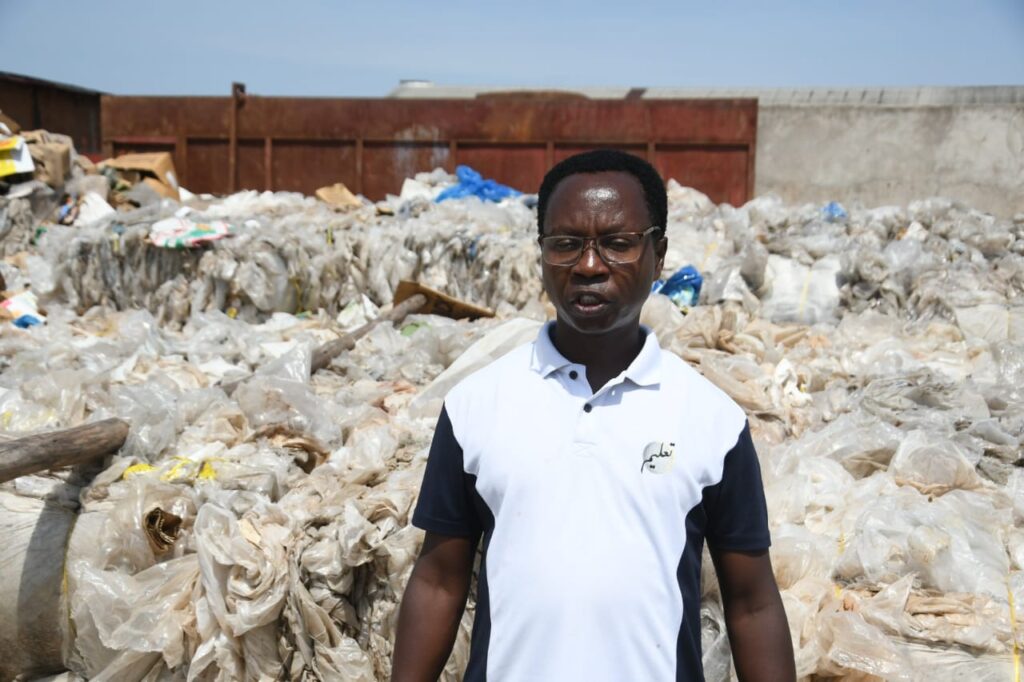
The selected consultant will be tasked with identifying waste types and their estimated volumes within the project areas, providing a detailed understanding of the available resources for energetic valorization. This includes an analysis of existing waste collection and treatment practices, pinpointing current inefficiencies and opportunities for improvement. The consultant will also assess the current infrastructure available for waste management, determining its suitability for proposed waste-to-energy initiatives. They will be required to estimate project costs, providing a clear financial outline for potential investments, and evaluate the potential profitability of waste-to-energy initiatives, ensuring their long-term economic viability. A critical component of the study involves examining the environmental impacts associated with proposed waste valorization strategies, ensuring that solutions are not only effective but also environmentally sound and sustainable.
General experience requirements for the consultant include a minimum of 10 years in conducting waste valorization studies, demonstrating a deep understanding of the technical, economic, and social aspects of such projects. This experience must encompass private sector involvement, noting the consultant's ability to engage with commercial entities and understand market dynamics. It also requires expertise in institutional reforms, indicating a capacity to navigate and influence policy environments, and the development of sustainable financing mechanisms for such projects, ensuring their long-term operational and financial independence. Specific experience demands that the consultant has completed at least three missions focused on waste management, demonstrating practical expertise in the field and a proven track record of successful project delivery.
The selection of the consultant will adhere to the procurement guidelines outlined in the African Development Bank's Procurement Framework, specifically the edition published in October 2015. This framework dictates the standards and procedures for all procurement activities undertaken by projects funded by the Bank, ensuring transparency, fairness, and efficiency in the selection process. The Quality and Cost-Based Selection (QCBS) method will be employed for evaluating proposals. This method weighs both the technical quality of the proposed approach and the financial cost, aiming to secure the best overall value for the project. The QCBS method ensures a balanced assessment, considering the consultant's expertise and methodological rigor alongside the financial proposal submitted, thereby promoting both technical excellence and cost-effectiveness.
Context and Funding
The Government of Burundi has requested Grant financing from the African Development Bank (AfDB) for the initiative, showing the collaborative effort to address regional challenges. This project is designed to offer sustainable solutions to the ongoing crisis in the Democratic Republic of Congo (DRC) and to mitigate its adverse effects within Burundi, particularly for populations displaced or otherwise affected by the conflict. The grant funding from the AfDB is key for enabling the full feasibility study and subsequent project implementation.
A primary objective of the project is to enhance the living conditions of populations that have been impacted by the crisis. It seeks to achieve this by supporting sustainable livelihood initiatives across several key sectors, providing diversified opportunities for economic empowerment and self-sufficiency. These sectors include agriculture, focusing on improving food security and income generation through farming practices; health services, aimed at strengthening local healthcare infrastructure and access; vocational training, equipping individuals with marketable skills for employment; and employment generation, creating new job opportunities within the target communities. Additionally, the project will focus on promoting clean cooking solutions, reducing reliance on traditional biomass fuels and improving household air quality. It also aims to improve hygiene practices through education and access to facilities, and enhancing sanitation infrastructure, which is vital for public health and environmental protection.
The initiative also aims to create job opportunities for local communities, fostering economic growth and reducing unemployment. A specific focus of the project is the empowerment of vulnerable women within the affected regions, contributing to their economic and social well-being through targeted programs and support. This holistic approach ensures that the project not only addresses immediate needs but also lays the groundwork for long-term recovery and sustainable development in the crisis-affected areas of Burundi and the Ruzizi plain.