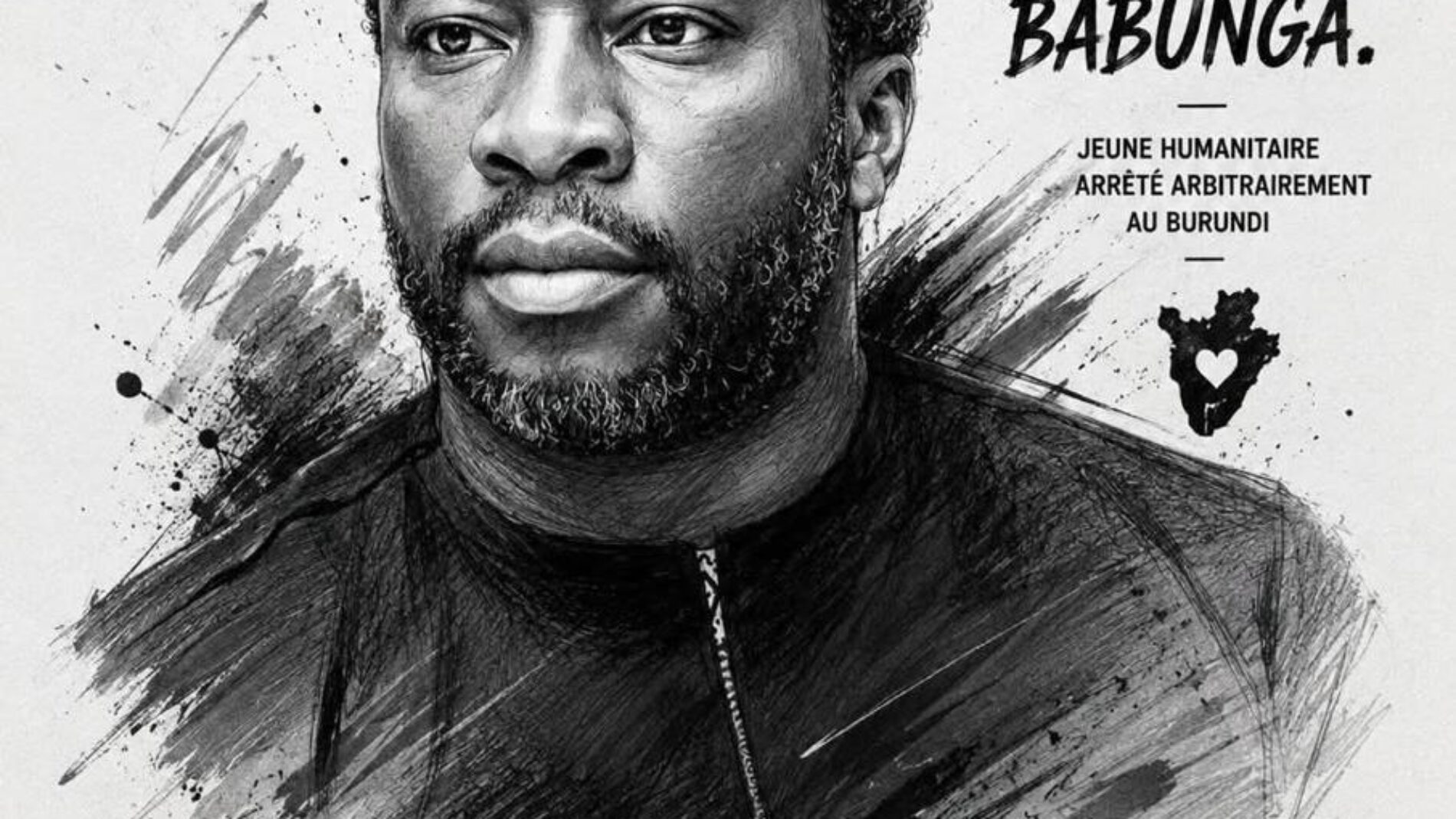
An open letter, dispatched from Brussels on May 29, 2026, has formally appealed to Burundian President Évariste Ndayishimiye concerning the recent arrest of Congolese researcher Babunga Benjamin Watuna. Burundian intelligence services detained Mr. Watuna in the capital city of Bujumbura on May 27, 2026. The letter, which quickly drew significant attention, expressed profound concern over the researcher's detention and emphatically urged the Burundian authorities against his potential extradition to the Democratic Republic of Congo (DRC). This direct appeal notes growing international and regional anxieties surrounding human rights and legal processes in the Great Lakes region. The communication from Brussels serves as a critical intervention, aiming to influence the Burundian government's decision regarding Mr. Watuna's immediate future and the broader implications of his case.
Concerns Over Extradition Request and Regional Tensions
The open letter specifically requests that Burundi firmly oppose the potential extradition of Congolese national Babunga Benjamin Watuna to the Democratic Republic of Congo. This urgent appeal comes amid confirmed reports that DRC authorities have formally requested Mr. Watuna's extradition, intensifying the diplomatic and legal pressure on Burundian officials. The request places a significant burden on Burundian authorities, who must now carefully consider the researcher's fate following his detention in Bujumbura, weighing legal obligations against humanitarian concerns and regional political dynamics. The decision carries substantial weight, potentially setting a precedent for how similar cases are handled between the two neighboring nations.
Signatories of the letter include a diverse and influential group of individuals from across the Great Lakes region. Citizens, prominent intellectuals, dedicated humanitarian actors, and committed human rights defenders have all affixed their names to the document, emphasizing a broad and collective concern across various sectors regarding Mr. Watuna's precarious situation. Their united collective voice aims to highlight the potential broad implications of an extradition, not only for Mr. Watuna personally but also for the principles of human rights, academic freedom, and independent research in the entire region. The letter shows the significant regional interest in the case, drawing attention to the broader context of cross-border movements, legal processes, and the protection of individuals between neighboring states. The involvement of such a varied and representative group of signatories indicates a shared apprehension about the precedent an extradition might establish, particularly concerning the treatment of researchers and activists who may face political accusations. This widespread concern reflects a deep understanding of the delicate balance of power and justice within the region.
Regional Context and Precedents Shaping the Current Situation
Congolese authorities have accused Babunga Benjamin Watuna of alleged links with the Alliance Fleuve Congo (AFC) and the M23 rebel movement. These accusations form the basis of the extradition request from Kinshasa. Before his arrest and the current allegations, Mr. Watuna had a distinguished career in the humanitarian sector, collaborating with a range of prominent international and non-governmental organizations. His professional history includes work with AMI, ADRA, ZOA, Mercy Corps, Save the Children, CARE, and UNOPS, indicating a background focused on aid and development rather than armed conflict. This humanitarian background contrasts sharply with the allegations now leveled against him, adding a layer of complexity to the understanding of his situation. The nature of these accusations against an individual with a significant humanitarian and research background raises questions among the signatories about the true motivations behind the extradition request.
The M23 rebel movement, central to the accusations against Mr. Watuna, has been actively engaged in conflict since late 2021 and currently controls strategic areas in both North Kivu and South Kivu in eastern Democratic Republic of Congo. Their continued presence and activities contribute to persistent instability and humanitarian crises in the region. The security situation has prompted regional military interventions, with Burundian soldiers having been deployed in eastern RDC since August 2022. These deployments are part of broader regional security operations aimed at stabilizing the volatile eastern provinces of the DRC and countering the proliferation of armed groups. The involvement of Burundian forces in the DRC shows the interconnected security interests of the two nations and the complex web of alliances and rivalries that characterize the Great Lakes region.
The current situation involving Mr. Watuna follows a notable precedent set in 2025 when Burundian intelligence services arrested Laurent Ruboneka, an employee of the DRC embassy in Burundi. Mr. Ruboneka was subsequently transferred to Kinshasa, a move that demonstrated a willingness by Burundian authorities to cooperate with DRC requests concerning individuals deemed problematic by the Congolese government. This earlier incident provides a significant backdrop to the present case, as it suggests a pattern of cross-border transfers that concerns human rights advocates. The memory of Mr. Ruboneka's transfer likely fuels the urgency and intensity of the open letter's appeal regarding Mr. Watuna, as signatories fear a similar outcome.
Adding another layer of regional diplomatic interaction to the circumstances surrounding the researcher's detention, Guy Kabombo Muadiamvita, the DRC's Deputy Prime Minister and Minister of Defense, visited Bujumbura on May 26, 2026. This high-level visit occurred precisely the day before Mr. Watuna's arrest, drawing attention to the potential for discussions related to security and cross-border issues between the two countries' senior officials. The timing of these events—the defense minister's visit immediately preceding the arrest—shows the complex relationship and shared security concerns between Burundi and the Democratic Republic of Congo. These concerns are particularly acute regarding border stability, the activities of armed groups in the Great Lakes region, and the potential for political maneuvering disguised as security operations. The confluence of these events suggests a deeply intertwined political and security landscape where individual cases like Mr. Watuna's can become flashpoints for broader regional tensions.
Signatories' Appeal and Demands for Justice
The open letter distinctly identifies Babunga Benjamin Watuna as a respected researcher, a keen analyst, and a specialist in the intricate history of the Grand Kivu region. This academic and analytical background further emphasizes the signatories' concern that his detention and potential extradition could stifle intellectual freedom and critical inquiry in a region that desperately needs informed perspectives. Within the letter, the signatories advocate unequivocally for his immediate and unconditional release, asserting that his continued detention is unwarranted and unjust. They also urge Burundian authorities to firmly reject any extradition request from the Democratic Republic of Congo, arguing that such a transfer would not serve the interests of justice or human rights.
The signatories express their profound belief that the extradition request for Mr. Watuna is driven primarily by political motives, rather than legitimate judicial concerns or evidence of criminal activity. This perspective stems from what they describe as significant restrictions on freedom of expression within the Democratic Republic of Congo, which they argue could lead to the politically motivated prosecution of individuals like Mr. Watuna. Their collective appeal notes deep-seated concerns about the broader implications for researchers, analysts, and human rights defenders operating in the Great Lakes region, suggesting that allowing this extradition would send a chilling message to others engaged in critical work. The letter implicitly warns that if individuals can be targeted and transferred across borders based on political accusations, it could severely undermine the space for independent thought and advocacy, which is key for the region's development and stability. The call for his release is therefore not just about one individual, but about upholding fundamental rights and principles in a challenging political environment.