Food security in Burundi's Eastern and Northern Lowlands, Eastern Dry Plateaus, and Imbo Plains is projected to remain Stressed (IPC Phase 2) through September, according to recent assessments. This ongoing classification indicates that while households may have minimal adequate food consumption, they are unable to afford some essential non-food expenditures without engaging in stress-coping strategies. While Season B harvests in June are expected to temporarily improve food access and income for households, offering a brief respite, these gains will ultimately be limited. This anticipated improvement will be significantly hindered by a combination of factors, including expected localized below-average harvests, sustained high food prices across key commodities, and persistent market pressures stemming from high demand in areas hosting large populations of refugees and returnees. The convergence of these challenges shows the precarious food security situation facing many Burundian communities.
Agricultural Challenges and Crop Yields
Season B harvests are expected to be near-average in most areas, with tuber and banana production largely compensating for significant bean crop losses. These key bean crop losses were primarily caused by below-average rainfall experienced from late March to mid-April, impacting a critical stage of crop development. Beans typically constitute a substantial portion of the country's agricultural output, accounting for about 25–30 percent of Season B national crop production. This figure rises to nearly 50 percent of Season B production in Burundi's northern regions, making the recent losses particularly impactful in these areas.
The semi-arid Northern Lowlands experienced the largest bean crop losses, with production there anticipated to be around 40 percent below average. This severe reduction notes the vulnerability of these regions to climatic shocks. Losses are estimated at 15–20 percent in the Eastern Lowlands and around 10 percent in the Eastern Dry Plateaus, further contributing to the overall deficit. Beyond weather impacts, agricultural production was also significantly weakened by persistent fertilizer shortages and high input prices. These issues are directly linked to limited foreign currency availability within the country and are further exacerbated by the ongoing conflict in the Middle East, which has disrupted global supply chains and increased commodity costs.
Burundi has also seen a sharp decline in fuel imports since March. This decline is directly attributable to the conflict in the Middle East, which has created volatility in international oil markets and logistical challenges. Imports of gasoline and diesel are projected to remain atypically low through at least September, indicating a prolonged period of scarcity. The worsening fuel shortage is likely to further increase transportation costs across the country, as businesses and individuals grapple with higher prices for moving goods and people. This, in turn, is expected to contribute to additional food price increases, creating a ripple effect throughout the economy and placing further strain on household budgets.
Soaring Food and Fuel Prices
Food prices in April continued their seasonal upward trend, remaining considerably higher than the five-year average, a persistent challenge for Burundian households. Staple food prices generally remained markedly elevated across the board, ranging from 20 to 70 percent above the five-year average, reflecting significant inflationary pressures. Compared to March, most commodities increased by approximately 5 percent, indicating a steady month-on-month rise.
Beans, a dietary staple, surged by 30 percent nationally, with a nearly 50 percent increase observed in urban areas, where demand is often higher and supply chains can be more complex. Despite overall price increases across many food items, maize prices were 10 percent lower compared to last year, offering a slight reprieve for consumers of this particular grain. However, other essential items have seen drastic increases; charcoal prices have doubled or even tripled in urban areas, adding significantly to the cost burden for households that rely on it for cooking and heating. Overall, prices for most commodities were notably higher, ranging from 5 to 20 percent higher in April compared to the previous year, showing a broad-based inflationary trend.
Sustained high prices are primarily driven by increasing costs for agricultural inputs, making farming more expensive, and rising transportation costs, which affect the delivery of goods to markets. These elevated prices continue to disproportionately impact vulnerable populations, who have limited coping mechanisms. In April, the World Food Programme (WFP) provided vital nutrition assistance to 9,105 beneficiaries, noting the severe need. This included support for 6,565 children and 2,540 pregnant and breastfeeding women, showing the ongoing challenges faced by families in accessing adequate and nutritious food.
Impact of Refugee and Returnee Flows
The closure of the Rwanda border since January 2024 has significantly impacted regional dynamics, altering trade routes and population movements. Competition for labor is currently high due to recent significant influxes of refugees and returning Burundians, putting pressure on local job markets. This situation, combined with cash assistance provided to refugees and returnees, has also contributed to heightened inflation in localities hosting these populations, as increased purchasing power meets limited supply.
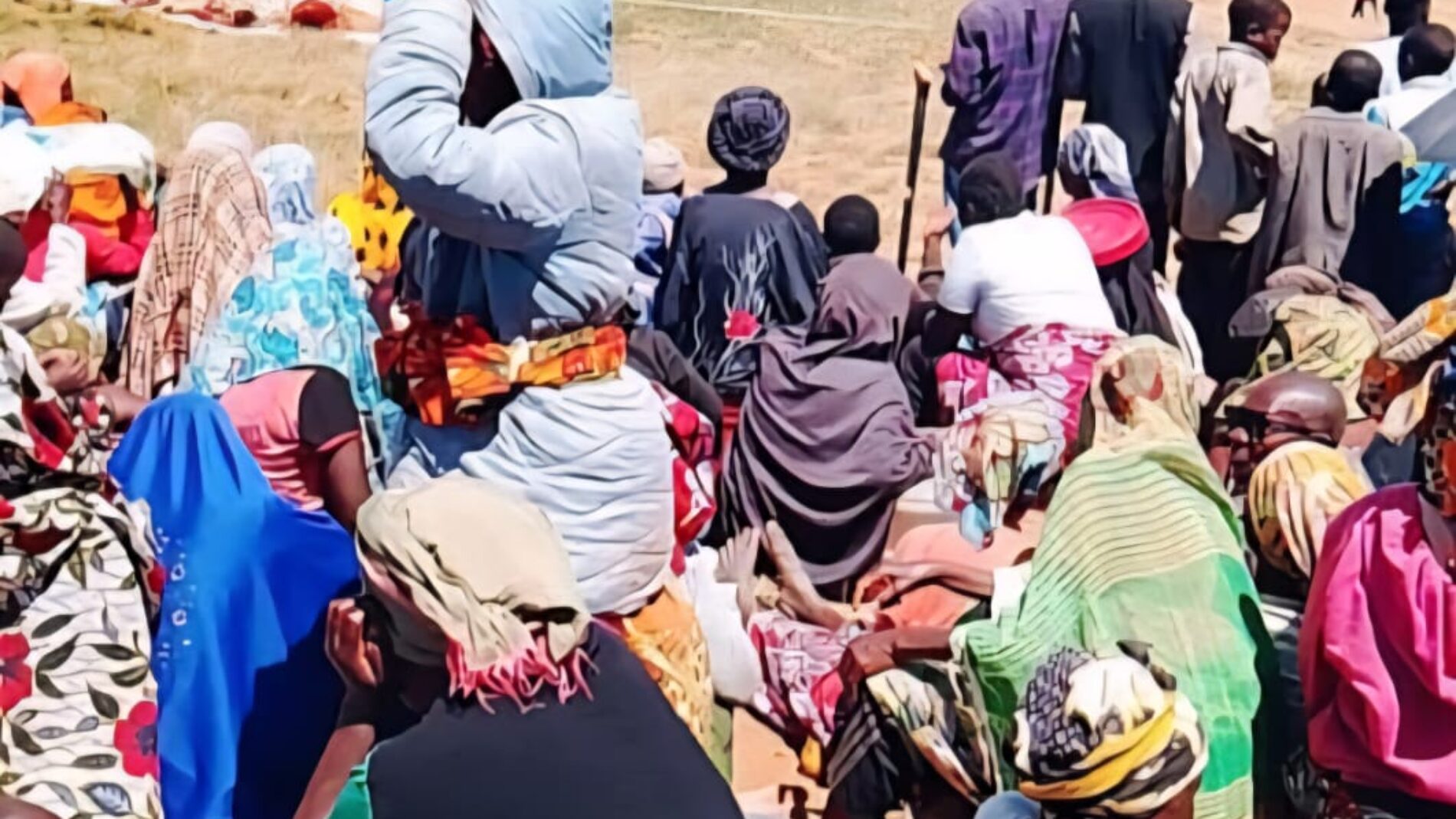
The World Food Programme (WFP) played a critical role in humanitarian assistance, supporting nearly 975,000 beneficiaries in April 2026. Among these, approximately 151,000 refugees received 75 percent of their minimum daily food requirements through a hybrid assistance model, combining direct food distribution with cash transfers, allowing for greater flexibility and supporting local markets. Returnees were provided cash equivalent to 50 percent of their minimum food requirements for a period of three months, designed to help them re-establish themselves in their home communities.
The pace of repatriation for Burundian refugees from Tanzania slowed in April 2026, indicating a shift in migration patterns or logistical challenges. WFP assisted 11,397 returnees in April 2026, a notable decrease from the 26,194 returnees assisted in March 2026 and the 24,944 assisted in February 2026. Despite this slowdown, approximately 40,000 returnees are still expected to exit Tanzania by July 2026, suggesting that significant population movements are ongoing. Some refugees expelled from Tanzania are seeking asylum in neighboring countries, including Uganda, Kenya, and Rwanda, creating additional humanitarian considerations in those nations. This ongoing movement continues to influence local economies and resource availability in affected areas, adding another layer of complexity to Burundi's food security outlook.