Burundi faces a growing crisis of illegal detentions within its prison system, characterized by individuals remaining incarcerated despite being acquitted or having completed their sentences. This systemic issue extends to legal deadlines for pre-trial detention, which are frequently exceeded, leading to prolonged and unjust confinement. Cases contributing to this alarming situation include detainees held without proper legal files or those incarcerated for civil matters, rather than criminal offenses. These various forms of illegal detention collectively contribute to severe overcrowding across the nation's correctional facilities, placing immense strain on the justice system and human rights.
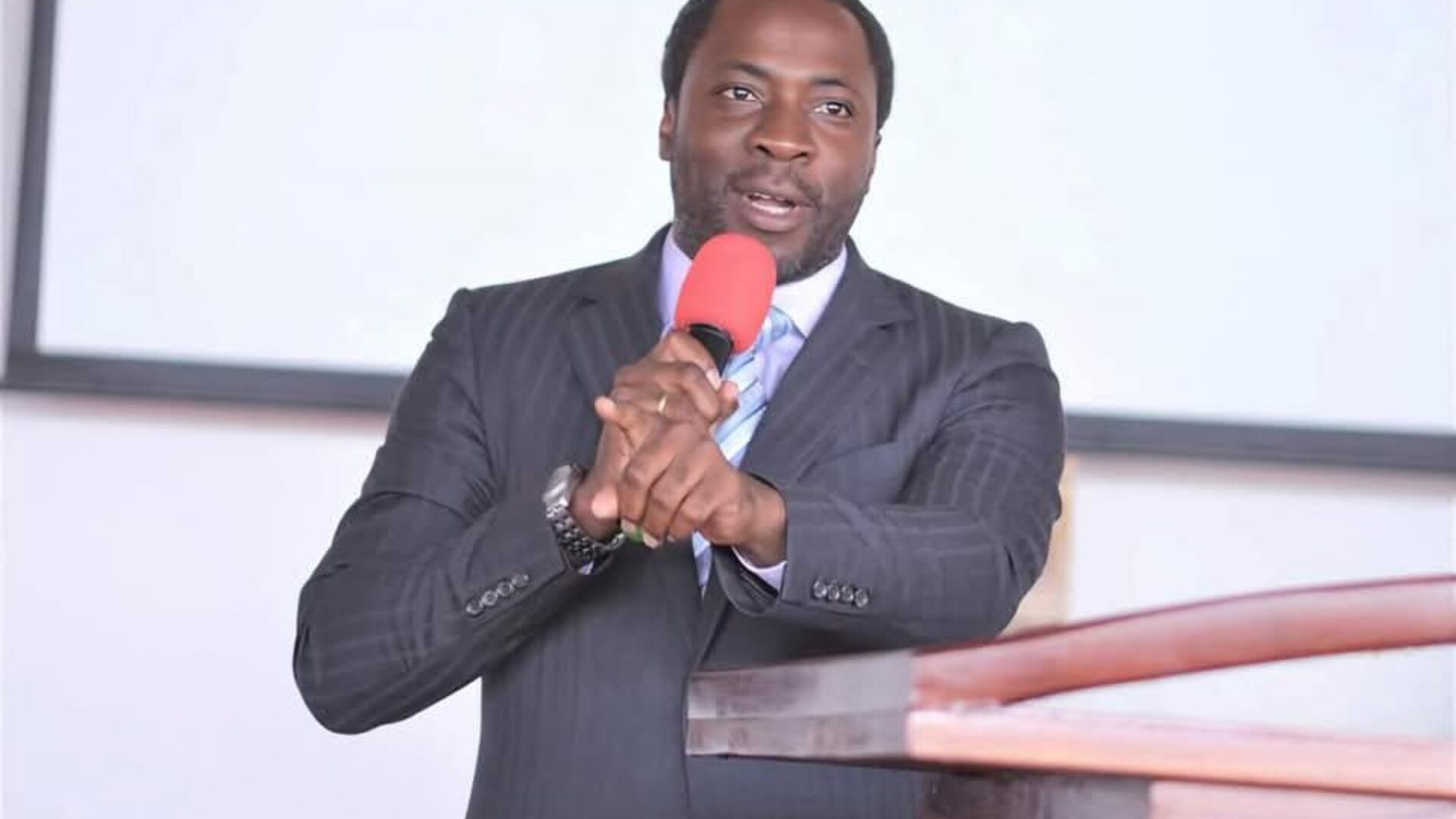
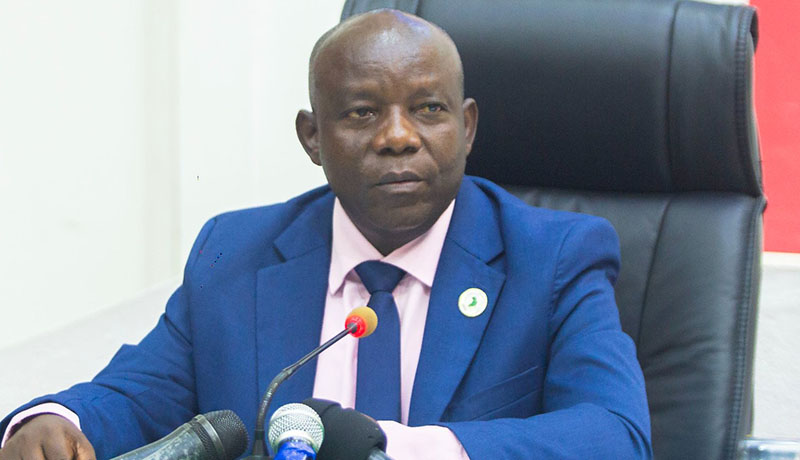
The gravity of this situation prompted an official invitation for Alfred Ahingejeje, Minister of Justice, to appear before deputies on May 22, 2026. Minister Ahingejeje was specifically called to respond to questions stemming from a full report by the Court of Auditors. This report focused particularly on conditions and practices at Bubanza prison, but its findings are widely understood to highlight broader systemic issues impacting the Burundian justice system as a whole. The parliamentary summons shows the urgent need for accountability and reform in addressing these widespread challenges.
Overcrowding Reaches Critical Levels
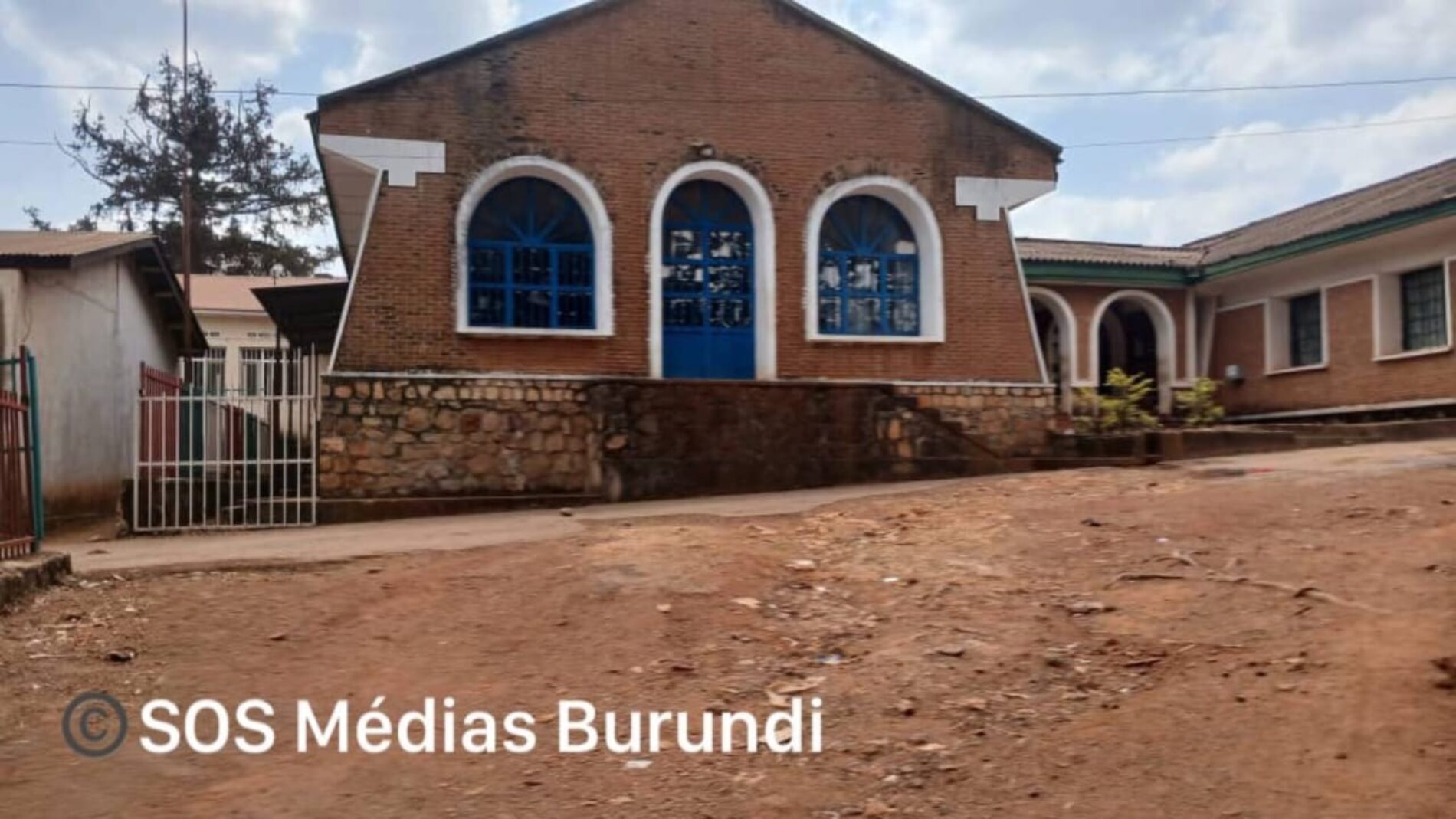
Burundi's prison system is grappling with severe overcrowding, with numerous facilities holding significantly more detainees than their intended capacities. This chronic issue compromises humane living conditions and exacerbates the challenges faced by both prisoners and correctional staff. The central prison of Mpimba, located in the capital city of Bujumbura, currently houses a staggering 4,200 individuals. This facility, originally constructed in 1969, was designed with a capacity for only 800 prisoners, meaning it is now operating at more than five times its intended limit. This represents a more than fivefold increase over its original design limit, illustrating the extreme pressure on the infrastructure.
Similar, deeply troubling conditions prevail across other detention centers throughout the country, painting a stark picture of the national crisis. The prison of Bururi, for instance, which was built in 1926 with a historical capacity for 400 detainees, now holds 1,440 individuals. This represents a more than threefold increase, placing immense stress on its aging infrastructure and limited resources. Muyinga prison, another long-standing institution dating back to 1945, currently houses 603 prisoners against its initial, much smaller capacity of 300. This doubling of its population significantly strains its operational capabilities.
Muramvya prison, constructed in 1949 with a capacity of just 100, currently holds an astonishing 1,075 detainees. This figure indicates an elevenfold overpopulation, making it one of the most severely overcrowded facilities in the country and noting the dire conditions within its walls. The Ruyigi detention center, established in 1945, was designed for 300 people but now accommodates 790, more than double its intended capacity. Similarly, the Bubanza detention center, built in 1952, has a current population of 434, significantly exceeding its maximum capacity, which was not intended to surpass 200 people. These figures show the systemic pressure on Burundi's correctional facilities and the urgent need for full solutions to address the widespread issue of overcrowding.
Systemic Issues Fuel Illegal Detention
The case of Kenny Claude Nduwimana vividly illustrates the profound challenges and injustices within the Burundian justice system. Mr. Nduwimana was arrested on October 3, 2023, and subsequently brought to trial on August 26, 2024, nearly a year after his initial detention. Following his judgment, he received a sentence of eight months in prison. However, a critical detail emerged from his case: by the time of his verdict, Kenny Claude Nduwimana had already spent ten months in pre-trial detention. This period of pre-trial incarceration already exceeded the length of his eventual sentence by two months, noting a fundamental flaw in the judicial process.
Despite the court's verdict and the fact that he had already served more than his sentence, Kenny Claude Nduwimana states he was kept in prison for an additional 19 months beyond his court-ordered release date. This prolonged and unlawful detention demonstrates a severe breakdown in the implementation of judicial decisions. He recounted his ordeal to reporters, stating, "Je n’ai été libéré que le 4 mars 2026 alors que le tribunal avait déjà ordonné ma libération" (I was only released on March 4, 2026, even though the court had already ordered my release). This statement encapsulates the frustration and injustice experienced by many. His prolonged and unjust incarceration prompted him to take a significant step: he sent an open letter to the President of the Republic on July 22, 2025. In this letter, Nduwimana not only denounced his own extended incarceration but also noted similar situations affecting numerous other prisoners, drawing key attention to the broader systemic issues plaguing the Burundian justice system.
Calls for Accountability and Reform
In response to the mounting pressure and the detailed report from the Court of Auditors, the Minister of Justice, Alfred Ahingejeje, has publicly promised to take decisive action regarding the issues affecting the prison system. This commitment signals an acknowledgement of the severe problems, including illegal detentions and overcrowding, that have come to light.
Jean-Marie Nshimirimana, a prominent human rights activist, has provided a stark assessment of the scale of the problem. He estimates that more than 12,000 prisoners are currently held across Burundi's 11 prisons, a figure that raises serious concerns about the state's capacity and human rights record. "Imaginez que les 11 prisons concentrent plus de 12 mille prisonniers. Presque un dixième de la population burundaise est en prison. Sur 12 mille prisonniers, au moins 7 mille sont emprisonnés injustement," Nshimirimana stated emphatically. His estimate notes that at least 7,000 of these individuals are unjustly imprisoned, meaning they are either held illegally, have completed their sentences, or were acquitted. This staggering number shows the profound crisis of illegal detention.
Kenny Claude Nduwimana was ultimately released on March 4, 2026, marking the end of his exceptionally prolonged detention. However, he claims that his courageous act of sending a letter to the President of the Republic led to severe reprisals, including an additional 40 days of detention by intelligence services. This alleged retaliation raises further concerns about freedom of expression and the treatment of individuals who expose systemic abuses.
Nshimirimana further argued that the illegal detention of individuals imposes a significant and unnecessary financial burden on the state. "maintenir des gens illégalement dans les prisons n’apporte rien à l’État, mais plutôt ça lui augmente inutilement les charges," he explained, emphasizing that such practices yield no benefit to the state while increasing its expenses. The cost of maintaining these thousands of unjustly imprisoned individuals is estimated at several billion Burundian francs annually. This substantial financial implication further shows the urgent need for reform, noting that addressing the human rights concerns also presents a clear economic imperative for the Burundian government.